Category: Market Deep Dives

  • How to Sell at the Coconut Grove Farmers Market: Miami’s Best-Rated Specialty Market

    How to Sell at the Coconut Grove Farmers Market: Miami’s Best-Rated Specialty Market

    To sell at the Coconut Grove Farmers Market at 3300 Grand Ave, contact Glaser Organic Farms directly. Have your product list, price points, organic certifications, production address, and booth photos ready before you reach out. The market runs every Saturday, 10:00am to 6:30pm, and expects consistent weekly attendance. Specialty produce like microgreens and shoots is under-represented here, making it your strongest entry angle. There’s more to know before you apply.

    Key Takeaways

    • Glaser Organic Farms manages vendor selection directly; prepare a finalized product list, pricing, packaging format, and certifications before making contact.
    • Specialty produce like microgreens and shoots is under-represented, making it the strongest category for new vendor applications.
    • Include display photos and confirm consistent Saturday attendance in your submission; review takes two to three weeks.
    • Visit the market as a customer first to observe gaps, customer behavior, and what specialty items are currently missing.
    • Use the MGW Farmers Market Finder at markets.microgreensworld.com to compare nearby Miami-area markets before submitting your application.

    What should you know about Coconut Grove Organic Farmers Market before you apply?

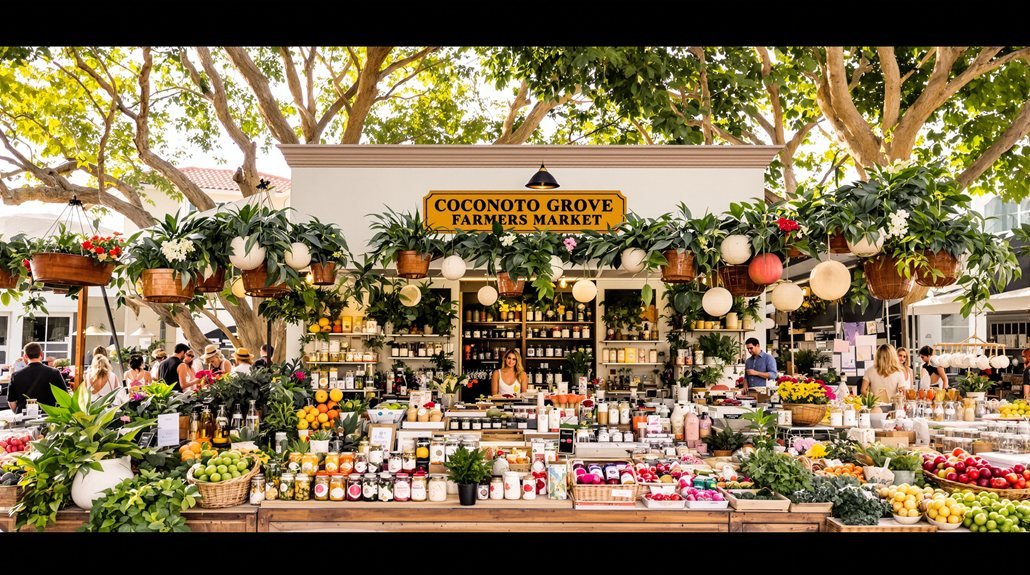
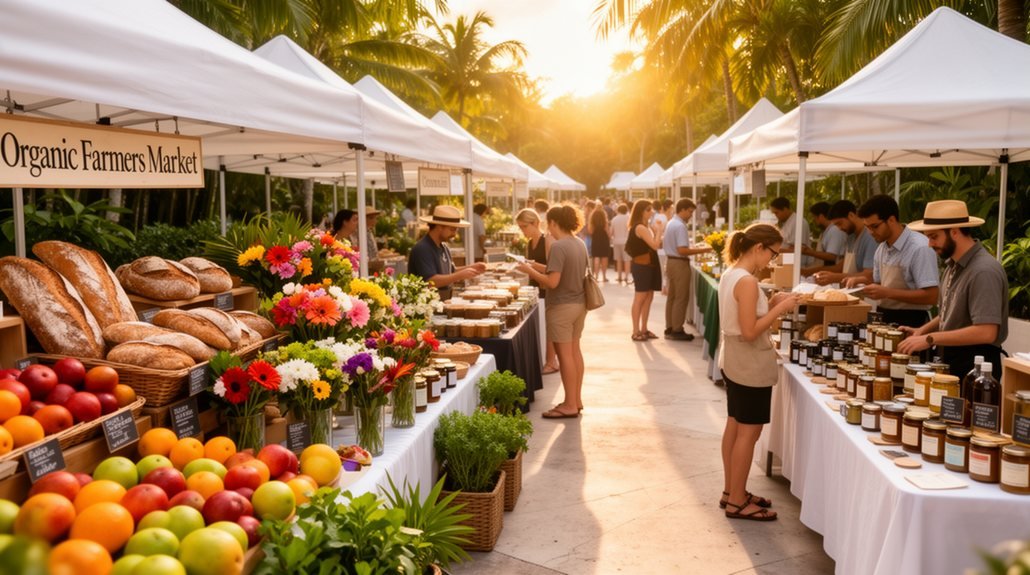
    Coconut Grove Organic Farmers Market isn’t a generic weekend market. It’s been running every Saturday at 3300 Grand Ave since the early 1980s, and the customer base it built reflects that history. Before you apply, you need to understand who shops there and what they’re already buying.

    What Makes Coconut Grove Organic Farmers Market Different From Other Florida Markets

    Founded in the early 1980s by Glaser Organic Farms, this market has run every Saturday from 10am to 6:30pm without interruption. Rain doesn’t cancel it. Vendor turnover doesn’t kill it. That consistency builds a customer base you can actually count on.

    Most Florida markets rotate heavily or run seasonally. Coconut Grove Organic Farmers Market doesn’t. It won New Times Best Farmers Market 2025, and the regulars who voted for it come back every week.

    The Grove skews high-income and wellness-focused. These buyers already know what microgreens are. They’re not a hard sell.

    As a coconut grove organic market vendor, you’re not educating a cold crowd. You’re showing up for people who were already looking for what you grow.

    Who Shops There and What They Actually Buy

    The Grove pulls a specific type of shopper. This is a high-income, health-conscious crowd that reads ingredient labels and asks questions.

    They’re not browsing. They’re buying with intent.

    These shoppers already know what microgreens are. They eat organic, shop weekly, and spend more per visit than average market customers. Many live within walking distance of 3300 Grand Ave.

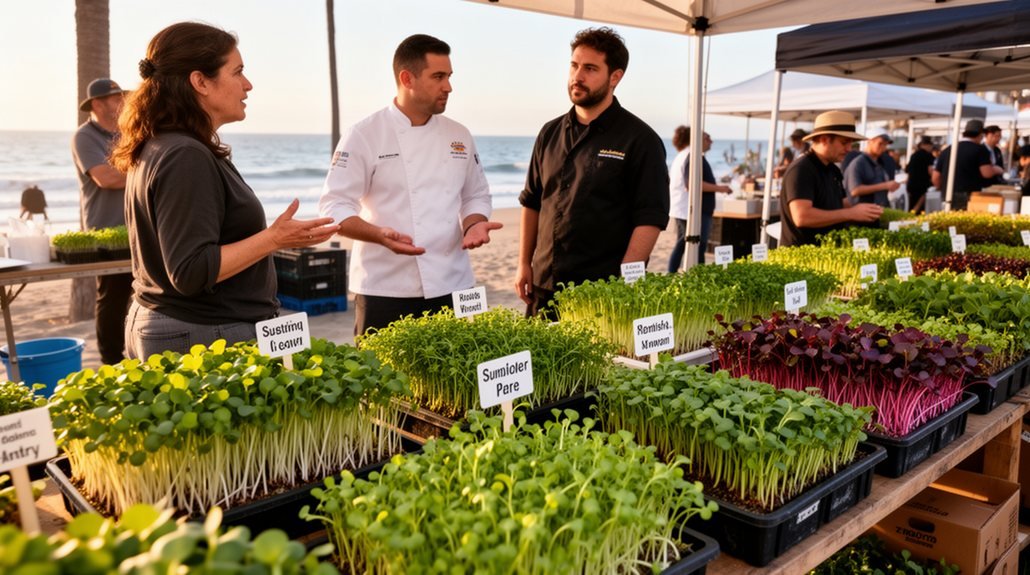
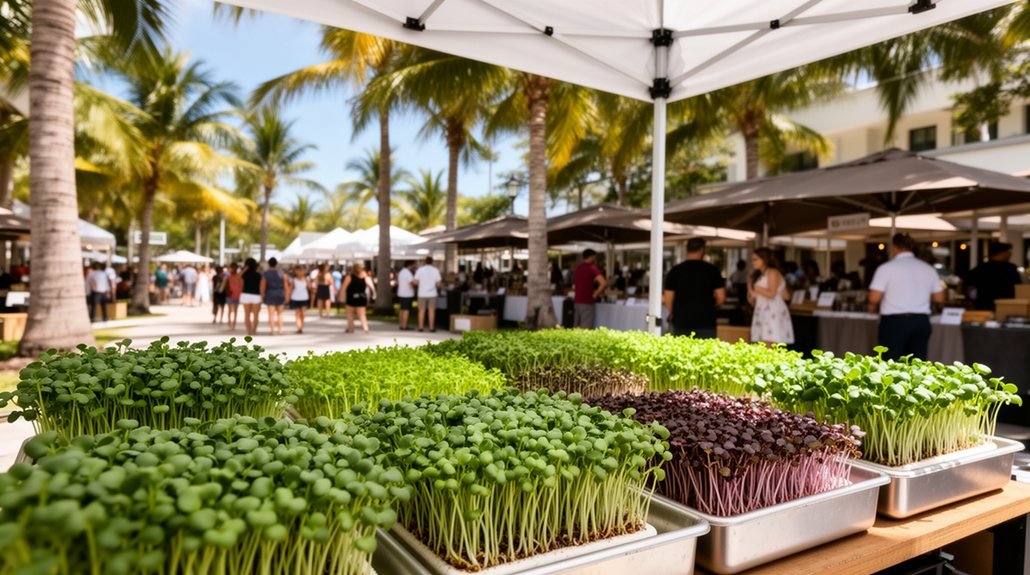
    The microgreens coconut grove farmers market opportunity is real because this customer base actively seeks specialty produce. They want sunflower shoots, pea tendrils, and radish microgreens. They want to know how you grew them.

    Vendor samples work here. This crowd responds to tasting before buying. If your product is clean and your story is straight, they come back every Saturday.

    What does the vendor mix look like at Coconut Grove Organic Farmers Market?

    prepared foods dominate microgreens scarce

    The vendor mix at Coconut Grove Organic Farmers Market skews heavily toward prepared foods, baked goods, and juice vendors.

    Organic produce is present, but specialty produce like microgreens is consistently under-represented.

    That gap is exactly where your application has the strongest footing.

    Which categories are overrepresented at Coconut Grove Organic Farmers Market

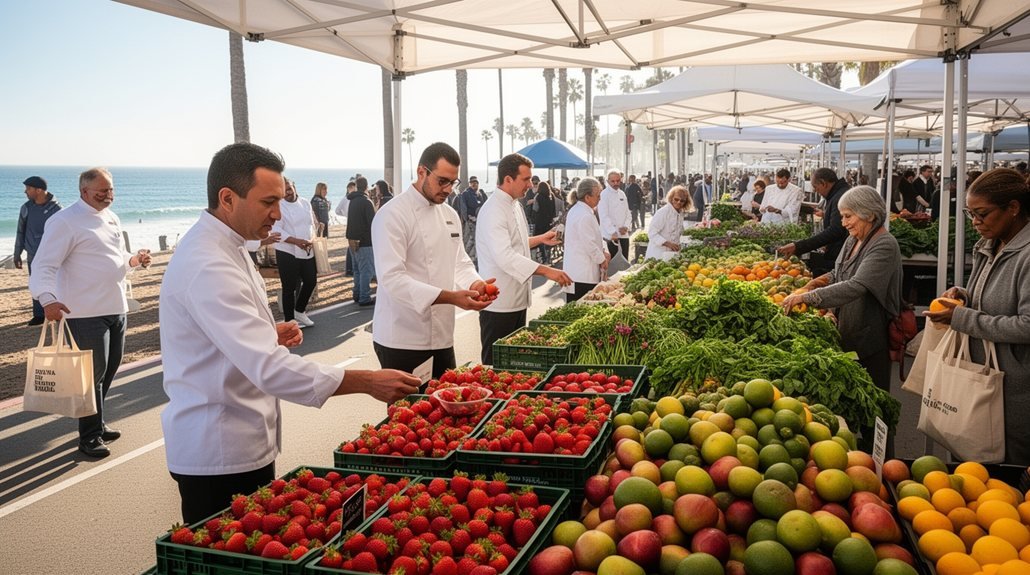
    When you walk through Coconut Grove Organic Farmers Market on a Saturday, produce dominates the layout. Standard organic vegetables take up the most space by vendor count.

    Prepared foods and baked goods fill the next largest segment. These vendors often meet the coconut grove market vendor requirements early and hold their spots long-term.

    Category Vendor Count (Est.) Saturation Level
    Organic produce 8-10 High
    Prepared foods 6-8 High
    Baked goods 4-5 Moderate-High
    Specialty produce 1-2 Low

    Specialty produce, including microgreens, sits at the bottom. That’s the gap. Knowing this before you apply puts you ahead of most applicants.

    Where the gap is for specialty produce vendors

    Specialty produce barely shows up at 3300 Grand Ave on any given Saturday. Most coconut grove farmers market vendor slots go to bread, prepared food, and fruit.

    Microgreens, shoots, and edible flowers have almost no representation. That’s the gap.

    Dr. Booker T. Whatley’s framework is simple: know your customer before you choose your market. Visit as a customer first. Watch what sells. Identify what’s missing.

    The Grove customer is health-conscious and spends freely on premium produce. They already want what you’re growing.

    When you apply, name the gap directly. Tell the market manager that specialty produce is underrepresented. That’s not just a pitch. That’s your application strategy.

    What does the Coconut Grove Organic Farmers Market vendor application process involve?

    contact glaser organic farms market team

    Glaser Organic Farms manages the vendor selection process directly. You’ll need to contact their market team before submitting anything.

    They review your product category, your organic credentials, and whether your offering fits a gap in the current vendor mix.

    What Glaser Organic Farms market team requires before you submit an application

    Preparation matters before you ever contact the Glaser Organic Farms market team. They expect vendors to come ready, not curious.

    Have your product list finalized before you reach out. Know your varieties, your price points, and your packaging format.

    As a coconut grove saturday market vendor, you’ll need proof of any required certifications. Organic claims require documentation. No exceptions.

    Bring photos of your display setup. The team wants to see how your booth looks, not just what you sell.

    Have your production location address ready. They may ask where you’re growing. Miami-Dade and surrounding counties are common sourcing areas.

    Know your availability. This market runs every Saturday at 3300 Grand Ave. Commit to consistent attendance before you apply.

    What the selection process looks like

    Once you’ve submitted your materials, the Glaser Organic Farms team reviews your application against current vendor needs. They’re looking at product fit, not just quality.

    The market at 3300 Grand Ave runs a curated vendor mix. If your category is already covered, you may wait for an opening.

    Specialty produce, including microgreens, is one of the least saturated categories in most miami farmers market vendor application pools. That works in your favor.

    Approval isn’t guaranteed on the first submission. Some vendors apply more than once before getting in.

    If you don’t hear back within two to three weeks, follow up directly with the Glaser team. Silence isn’t rejection. It’s a prompt to stay visible and keep your materials current.

    What do microgreens vendors specifically need to know about Coconut Grove Organic Farmers Market?

    microgreens fit coconut grove

    Coconut Grove Organic Farmers Market draws health-conscious, high-income shoppers who already buy specialty produce.

    That customer profile is a direct match for microgreens. Knowing what sets successful vendors apart here gives you a real edge before you apply.

    Why Coconut Grove Organic Farmers Market’s customer base is a strong match for specialty greens

    The Grove attracts buyers who already read labels and ask questions. This isn’t a browsing crowd. These are health-conscious, high-income shoppers who know what microgreens are and why they want them.

    As a miami specialty produce market vendor, you’re not educating this crowd from zero. You’re confirming what they already believe about food quality.

    The market skews wellness-oriented. Customers here prioritize organic sourcing and premium ingredients. That’s your positioning handed to you.

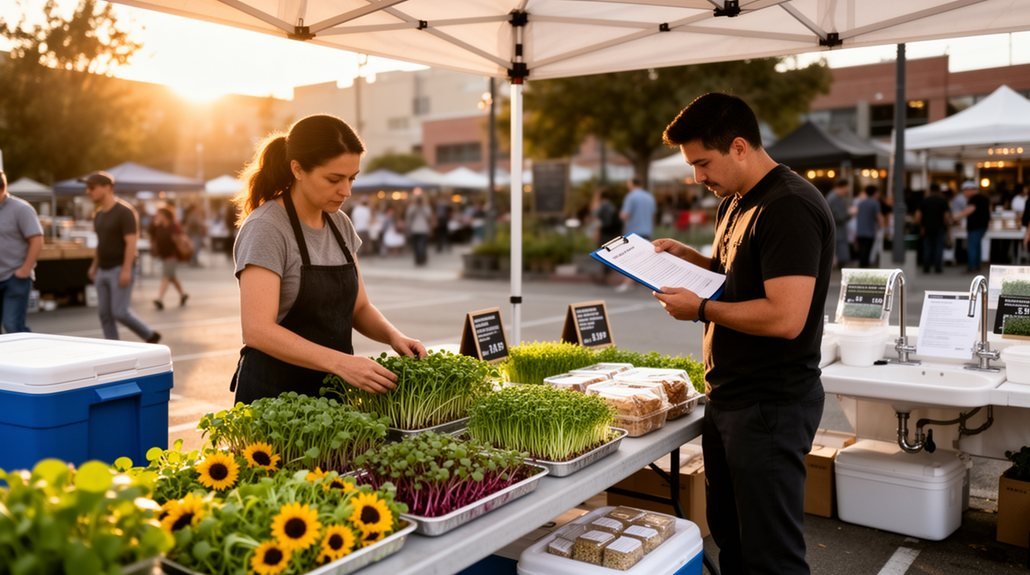
    Sampling is part of the culture at this market. Bring trays. Let people taste. A sunflower shoot or pea tendril speaks faster than any sign.

    This customer base doesn’t need convincing. They need a vendor they trust. Show up consistently and that trust builds fast.

    What sets successful vendors apart at Coconut Grove Organic Farmers Market

    Winning at this market starts before your first Saturday at 3300 Grand Ave.

    Vendors who do well at the Coconut Grove Farmers Market know their product and their customer. They sample freely, label everything organic, and price at a premium without hesitation.

    What matters Weak approach Strong approach
    Product labels Generic names only Variety + growing method listed
    Sampling Rarely offered Every visit, every product
    Pricing Match the cheapest vendor Price to the organic premium

    Your booth needs to look like it belongs here. Clean, simple, and produce-forward.

    Regulars at this market return weekly. Build recognition early. Show up every Saturday and greet the same faces.

    How do you find Coconut Grove Organic Farmers Market and locate other markets like it near you?

    coconut grove weekly organic market

    Coconut Grove Organic Farmers Market is at 3300 Grand Ave in Miami, and it runs every Saturday from 10am to 6:30pm.

    Before you apply there or anywhere else in Florida, you need to know what other markets are operating nearby and how they compare. The MGW Farmers Market Finder covers 7,842 USDA-verified markets across all 50 states, and you can search by zip code, city, or state to build that picture fast.

    Using the MGW Market Finder to scout markets in Florida

    Pull up markets.microgreensworld.com and search “Coconut Grove” or the zip code 33133. The Finder pulls from 7,842 USDA-verified markets across all 50 states.

    Use it to compare nearby Florida markets before you submit a miami farmers market application 2026.

    Search term What you find
    ZIP 33133 Coconut Grove Organic Farmers Market
    Miami, FL All active Miami-area markets
    Coral Gables Adjacent high-income market options
    Fort Lauderdale Broward County backup markets
    Florida statewide Full state vendor opportunity map

    You’re not guessing. You’re working from real data.

    Filter by location, day, and size. Then compare vendor categories before you apply anywhere.

    What to look for before you apply to any Florida market

    Before you apply to any Florida market, you need three data points: vendor category gaps, customer demographics, and day-of-week traffic patterns.

    At an organic farmers market Miami vendor spot like Coconut Grove, Saturday foot traffic runs high. The customer base is health-conscious and willing to pay premium prices.
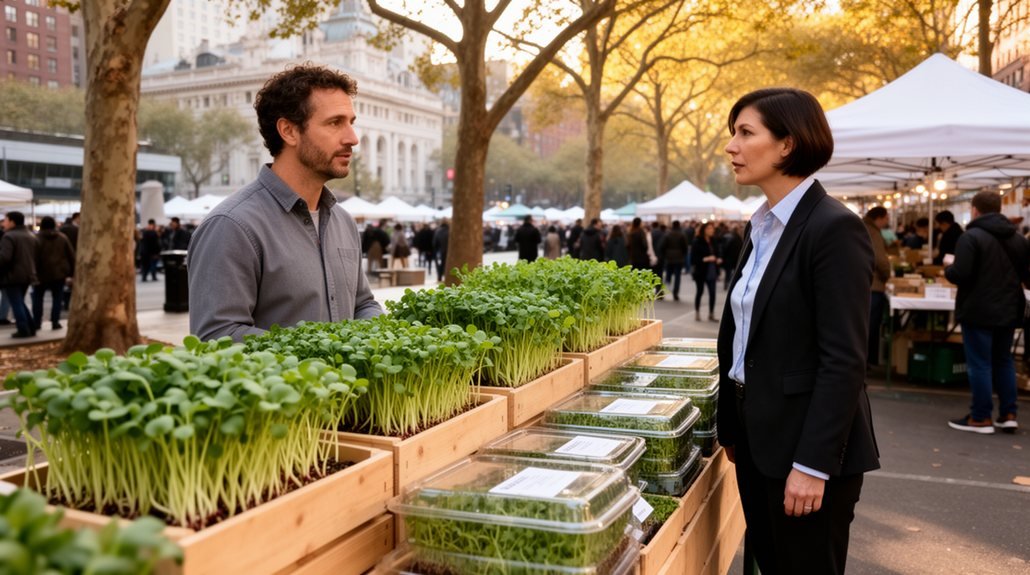
    Visit the market as a customer first. Watch what’s selling and what’s missing. Specialty produce is under-represented at most Florida markets. That gap is your application strategy.

    Check whether the market runs weekly or biweekly. A weekly market like Coconut Grove at 3300 Grand Ave gives you consistent revenue and repeat customers.

    Knowing your customer before choosing your market is the move that separates vendors who last from vendors who quit after one season.

    Frequently Asked Questions

    Does Coconut Grove Organic Farmers Market Allow First-Time Vendors to Apply?

    Yes, first-time vendors can apply. You’ll need to show you’re a producer, meet their organic standards, and have a product that fits the market’s specialty focus.

    How Much Does It Cost to Rent a Booth at This Market?

    You’ll need to contact the market directly for current booth fees. Coconut Grove Organic Farmers Market doesn’t publish pricing publicly. Reach out to Glaser Organic Farms to get the exact numbers before you budget.

    What Days and Hours Is Coconut Grove Organic Farmers Market Open?

    You’ll find the Coconut Grove Organic Farmers Market open every Saturday from 10am to 6:30pm. It runs rain or shine, so you never have to guess whether your regulars will be there waiting.

    Is Coconut Grove Organic Farmers Market Open During Miami’s Rainy Season?

    Yes, it’s open every Saturday, rain or shine, from 10am to 6:30pm. Miami’s rainy season doesn’t shut it down. You can count on the market running year-round without weather cancellations.

    Do Vendors at Coconut Grove Need Organic Certification to Sell Microgreens?

    You don’t need organic certification to sell microgreens there, but the market skews heavily organic. Labeling your growing practices clearly and honestly will matter more to these customers than a certificate.

  • How to Get Into Union Square Greenmarket: What GrowNYC Actually Looks For in a Vendor

    How to Get Into Union Square Greenmarket: What GrowNYC Actually Looks For in a Vendor

    GrowNYC picks vendors who fill gaps, not ones who duplicate what’s already there. Union Square Greenmarket runs year-round at East 17th Street and Broadway, and it’s already crowded with fruit, vegetables, dairy, and baked goods. Microgreens are rare at the market, which gives specialty growers a real opening. You’ll need proof of production, a regional farm, and a specific application argument. Keep going to see exactly how to build one.

    Key Takeaways

    • GrowNYC requires applicants to be regional producers who personally grow or make everything they sell; reselling and brokering disqualify applicants immediately.
    • Selection committees score applications partly on category need, so vendors filling gaps in underrepresented categories like microgreens receive higher consideration.
    • Applicants must provide proof of production, including growing location, process, and a complete product list, with a farm inspection required before approval.
    • The application window opens once annually in late fall or early winter, making timing critical for prospective vendors planning their entry.
    • Consistent weekly supply is expected; vendors who run out of product early are viewed unfavorably and risk losing their market space.

    What should you know about Union Square Greenmarket before you apply?

    Before you apply to Union Square Greenmarket, you need to understand what makes it different from every other market in New York. This isn’t a general farmers market.

    It’s a 140-plus-vendor institution that’s been running since 1976, where the customer base includes professional chefs and serious food buyers who know exactly what they’re looking for.

    What Makes Union Square Greenmarket Different From Other New York Markets

    Union Square Greenmarket has been running since 1976, making it one of the oldest continuously operating farmers markets in the country. It helped spark the farm-to-table movement in New York City.

    More than 140 regional farmers, fishers, and bakers sell here. NYC’s most celebrated chefs shop the floor personally on Saturday mornings.

    GrowNYC manages the market and runs all vendor applications. You’re not applying to a general market. You’re applying to a program with standards built over decades.

    As a union square greenmarket vendor, you join a community that shaped how New York eats. That reputation is exactly why acceptance is competitive and why your application needs to show a clear, specific fit.

    Who Shops There and What They Actually Buy

    Knowing who runs the market matters. GrowNYC manages all vendor access. You’re not dealing with a private operator.

    The crowd is educated, food-focused, and ready to spend. Chefs from NYC’s top restaurants shop here personally on Saturday mornings.

    Shopper type What they buy Spending pattern
    Professional chefs Specialty produce High volume, repeat
    Home cooks Seasonal vegetables Weekly, consistent
    Food enthusiasts Unique or rare items Exploratory, impulse

    Union Square Greenmarket vendor requirements favor producers filling gaps. Specialty produce is under-represented here.

    That gap is your opening. Walk the market first. Watch what’s missing before you apply.

    What does the vendor mix look like at Union Square Greenmarket?

    fruit dairy baked goods dominant

    The vendor mix at Union Square Greenmarket skews heavily toward fruit, vegetables, dairy, and baked goods. Those categories are well-covered.

    Specialty produce, including microgreens, is consistently under-represented relative to customer demand.

    Which categories are overrepresented at Union Square Greenmarket

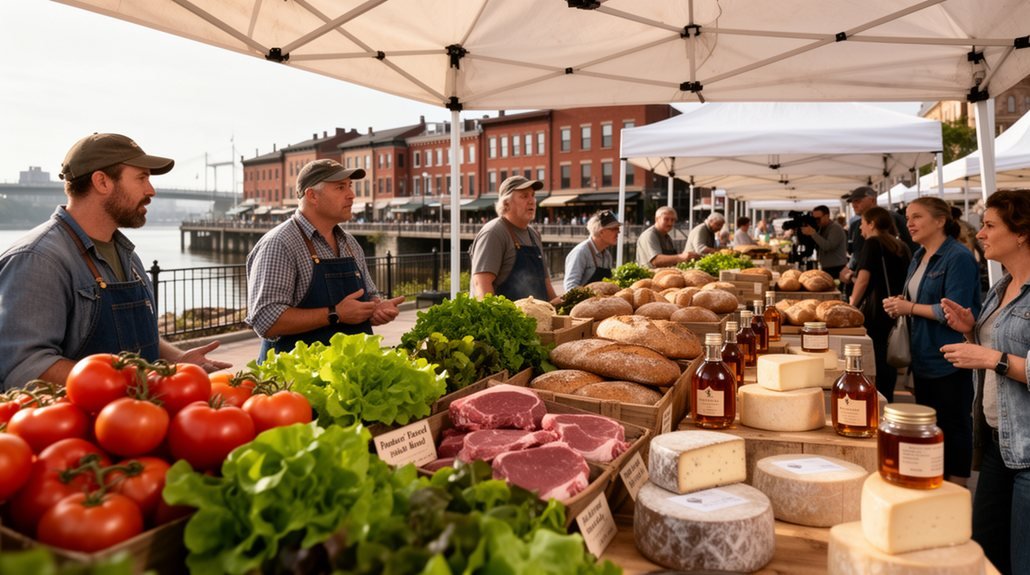
    Most of the vendor slots at Union Square Greenmarket go to fruit and vegetable farms, dairy producers, and baked goods makers. These categories have deep roots at the market and long-standing vendor relationships with GrowNYC.

    Meat vendors, egg producers, and preserved goods makers also fill significant space. The competition inside these categories is real.

    If you’re thinking about selling microgreens at Union Square, you’re not walking into a crowded specialty produce fight. That slot is largely open. GrowNYC actively looks for producers who fill gaps, not add to piles.

    Microgreens union square is a combination that makes sense on paper and in practice. The category is under-represented, and that’s your angle.

    Where the gap is for specialty produce vendors

    Specialty produce sits in a thin slice of what Union Square Greenmarket carries. Most of the 140+ vendors sell staples. Meat, dairy, bread, apples, and root vegetables dominate the stalls.

    Microgreens at Union Square are rare. That’s the gap you’re stepping into.

    GrowNYC actively looks for vendors who fill categories that aren’t already crowded. Specialty produce is one of those categories. You’re not competing against five other microgreens growers. You’re presenting something the market doesn’t have enough of.

    Dr. Booker T. Whatley’s framework is simple: know your customer before you pick your market. Visit Union Square as a shopper first. Watch what’s missing. That observation becomes your application argument.

    The gap isn’t a weakness in the market. It’s your entry point.

    What does the Union Square Greenmarket vendor application process involve?

    apply to grownyc not market

    GrowNYC controls vendor access to every NYC Greenmarket location, including Union Square. You don’t apply to the market directly. You apply through GrowNYC‘s Greenmarket program, and they decide if your product fits what’s missing.

    What GrowNYC requires before you submit an application

    Before you touch the application, you need to understand what GrowNYC is actually evaluating. This isn’t a general vendor fair. GrowNYC’s Greenmarket program only accepts regional producers who grow or make what they sell.

    That means you can’t resell. You can’t broker. You must be the source.

    For microgreens, that works in your favor. You control the seed, the tray, and the harvest. That’s exactly the producer model GrowNYC wants to see documented.

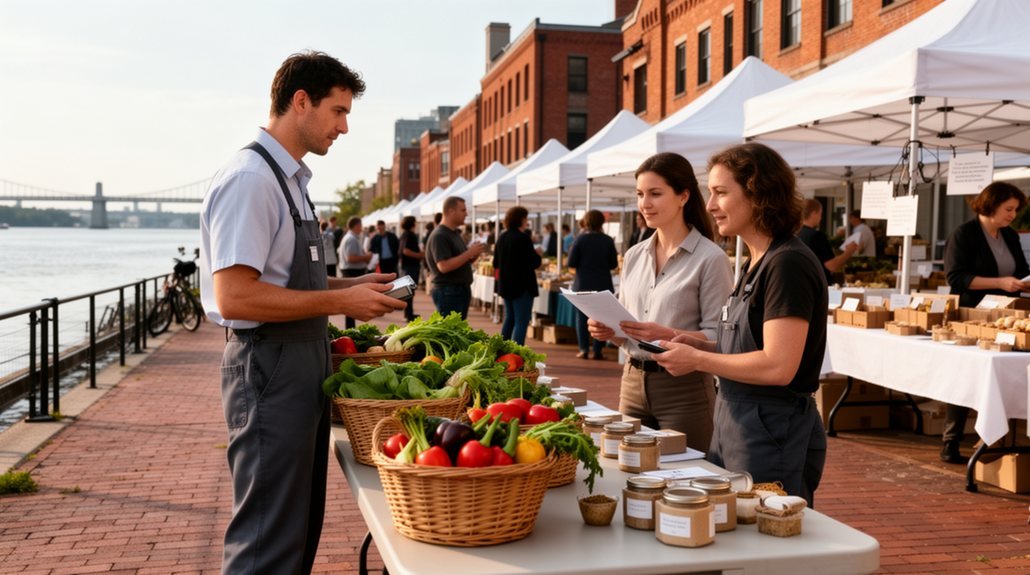
    The GrowNYC vendor application asks you to prove your production operation. Expect to provide your growing location, your process, and your product list.

    Start gathering those details before the application opens. Incomplete submissions don’t get second chances at a market this competitive.

    What the selection process looks like

    The application window opens once a year, so missing it means waiting another 12 months. GrowNYC posts the window on their Greenmarket program page, usually in late fall or early winter.

    You submit your application through GrowNYC’s vendor portal. They review what you grow, where you grow it, and whether your product fills a gap in their current vendor mix.

    GrowNYC’s selection committee scores applications partly on category need. If your category is already full, your score drops regardless of product quality.

    The union square greenmarket application process also includes a farm inspection. GrowNYC verifies that you produce what you claim. Approval can take several weeks after the window closes.

    What do microgreens vendors specifically need to know about Union Square Greenmarket?

    specialty focused discerning customers return

    Union Square Greenmarket pulls a customer base that actively seeks specialty produce.

    These shoppers spend more, ask questions, and come back when you deliver quality. That’s a strong match for microgreens, but the vendor mix and your positioning will decide whether your application moves forward.

    Why Union Square Greenmarket’s customer base is a strong match for specialty greens

    Saturday draws over 60,000 shoppers to Union Square Greenmarket. These aren’t impulse buyers. They come with reusable bags and a list.

    The customer base skews toward food-educated adults. They read labels, ask sourcing questions, and pay premium prices without hesitation.

    Chefs from some of NYC’s top restaurants shop here personally. That’s not foot traffic. That’s a direct line to wholesale relationships.

    Microgreens at Union Square Greenmarket fit this crowd exactly. These buyers already know what microgreens are. You’re not educating them from zero.

    They’re looking for variety they can’t find at a grocery store. Specialty cuts, uncommon mixes, and locally grown product move here.

    You’re not selling to skeptics. You’re selling to people who already want what you grow.

    What sets successful vendors apart at Union Square Greenmarket

    Surviving at Union Square Greenmarket means showing up with more than good product. Vendors who last know their customer, their competition, and their category.

    The market runs four days a week. Saturday draws the largest crowd and the most competition. If you’re new, study those dynamics before you commit.

    Successful vendors come prepared with consistent supply. GrowNYC doesn’t want vendors who run out by 10 AM. You need to meet demand week after week.

    You also need clean branding and a professional setup. Customers at Union Square Greenmarket expect a polished table. First impressions determine whether someone stops or walks past.

    Know your gap. Vendors who fill an unmet need stay. Vendors who duplicate what’s already there struggle to hold space.

    How do you find Union Square Greenmarket and locate other markets like it near you?

    union square greenmarket locationfinder

    Union Square Greenmarket is at East 17th Street and Broadway in Manhattan, open year-round.

    Before you apply to any New York market, employ the MGW Farmers Market Finder at markets.microgreensworld.com to search by zip code or city. It pulls from 7,842 USDA-verified markets, so you can compare options before you commit to one application.

    Using the MGW Market Finder to scout markets in New York

    Pull up the MGW Farmers Market Finder at markets.microgreensworld.com. It covers 7,842 USDA-verified markets across all 50 states. Search by zip code, city, or state.

    Type in New York, NY. Union Square Greenmarket will show up alongside other GrowNYC locations in the five boroughs. You can compare days, sizes, and vendor categories side by side.

    This matters because becoming a greenmarket NYC vendor means knowing what else is available. Union Square isn’t your only option. Some GrowNYC locations have shorter wait lists and less competition.

    Use the Finder to build a short list of three to five markets. Look at which ones run year-round. That’s where consistent sales volume happens, and that’s where you want to focus your application energy.

    What to look for before you apply to any New York market

    Before you apply anywhere, visit the market in person at least twice. Watch what sells, who buys it, and what’s missing.

    Learning how to get into Union Square Greenmarket starts with reconnaissance, not paperwork.

    What to observe Why it matters What to record
    Vendor categories Spot gaps in specialty produce Count booth types
    Customer behavior See what moves fast Note peak hours
    Pricing patterns Set competitive rates Write down ranges

    Dr. Booker T. Whatley’s framework is clear: know your customer before you choose your market. Visit as a buyer first. That intel shapes your application strategy directly.

    Frequently Asked Questions

    Does Grownyc Require Vendors to Carry Liability Insurance Before Selling?

    Yes, GrowNYC requires you to carry liability insurance before you’re approved to sell. You’ll need to submit proof of coverage as part of your vendor application, so get your policy in place early.

    Can Two Vendors From the Same Farm Share One Booth Space?

    You can’t split one booth between two vendors. GrowNYC approves one vendor per space. Both people can work the booth, but only one name holds the permit.

    How Long Does Grownyc Take to Respond After You Submit an Application?

    GrowNYC doesn’t publish a fixed timeline, but most applicants hear back within four to eight weeks. Check your spam folder regularly. Following up after six weeks is normal and won’t hurt your chances.

    Are There Income or Sales Volume Requirements Grownyc Uses to Screen Applicants?

    GrowNYC doesn’t publish income or sales thresholds. They screen based on what you grow, how you grow it, and whether you’re a regional producer. Your numbers don’t get you in. Your product and process do.

    Can You Sell at Other NYC Greenmarket Locations While on the Union Square Waitlist?

    Yes, you can. GrowNYC manages all NYC Greenmarket locations together, so you can apply to smaller markets while you wait. It builds your track record inside the same program.