Tag: local produce

  • Year-Round Farmers Markets Near You: How to Find Markets That Stay Open in Winter

    Year-Round Farmers Markets Near You: How to Find Markets That Stay Open in Winter

    Most farmers markets don’t actually close in winter — they just get quieter and harder to find. Warm states like Florida, California, and Texas run outdoor markets year-round. Colder states like New York and Minnesota move indoors to gyms, fairgrounds, and community centers. To find one near you, employ a market finder tool that filters by season or check directly with your local market manager. Stick around and you’ll find out exactly how to locate them.

    Key Takeaways

    • Many farmers markets operate year-round but rarely advertise winter hours, creating a widespread misconception that all markets close in October.
    • Warm-climate states like Florida, California, Texas, and Arizona host the most year-round outdoor markets, while colder regions use indoor venues.
    • Indoor winter markets relocate to gyms, fairgrounds, and community centers, maintaining consistent customer bases despite outdoor seasons ending.
    • The MGW Farmers Market Finder at markets.microgreensworld.com uses USDA data to filter markets by season, identifying year-round locations near you.
    • Well-known year-round markets include Union Square Greenmarket in New York, Ferry Plaza in San Francisco, and Dane County Market in Wisconsin.

    Year-Round Farmers Markets Near You: How to Find Markets That Stay Open in Winter

    Most people assume farmers markets shut down after the last summer tomato sells out. That assumption is wrong, and a handful of markets in states like Florida, California, and New York have been running through January and February for years.

    You just didn’t know where to look.

    Why Most People Assume Farmers Markets Close in Winter

    For a lot of people, the assumption that farmers markets close in winter isn’t really an assumption at all. It feels like a fact.

    You’ve watched your local market pack up in October. The tents disappear. The parking lot empties. So naturally, you stop looking.

    That’s the visibility problem. A farmers market open in winter doesn’t advertise its off-season status the way a seasonal one announces its closing. You don’t get a farewell post. You just stop seeing it.

    And if everyone around you assumes markets shut down, that assumption spreads. It becomes part of the shared understanding of what farmers markets are. You’re not wrong for believing it. You just haven’t had a reason to check.

    The Markets That Proved That Assumption Wrong

    Some farmers markets never closed in the first place. While most markets pack up after Labor Day, farmers markets that stay open year round have been running quietly through every winter. You just didn’t know where to look.

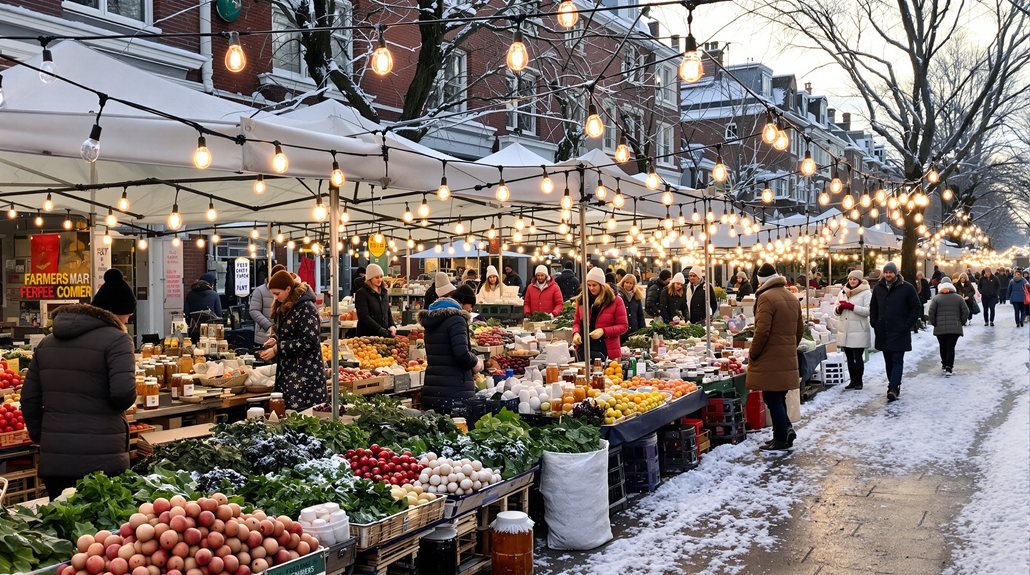
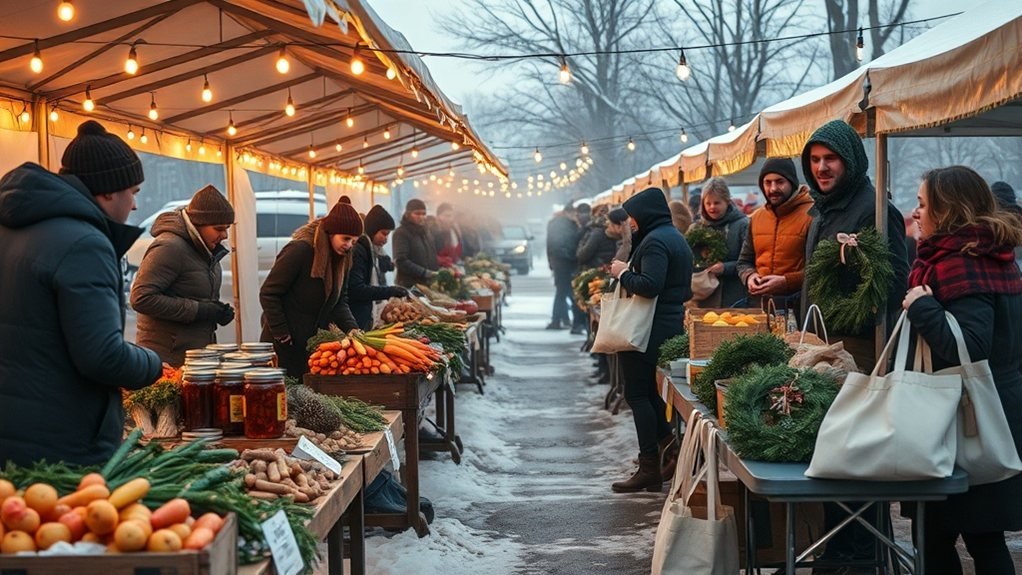
    The Union Square Greenmarket in New York City runs every Saturday year-round. The Ferry Plaza Farmers Market in San Francisco operates weekly through winter. The Dane County Farmers Market in Madison, Wisconsin keeps going indoors. These aren’t exceptions anymore. They’re a growing category of market.

    If you’ve ever felt left out of the local food community during winter, that’s the gap these markets fill. They exist. They’ve loyal customers. And now you know they’re out there.

    Which States Have the Most Year-Round Farmers Markets?

    warm climate states dominate year round

    If you’re looking for farmers markets that stay open all winter, start with the warm-climate states: Florida, California, Texas, and Arizona lead the country in year-round markets.

    Mild winters in those states make outdoor markets viable even in January.

    In colder regions, some states like New York and Illinois fill the gap with indoor market formats that run through the off-season.

    Warm-Climate States: Florida, California, Texas, and Arizona

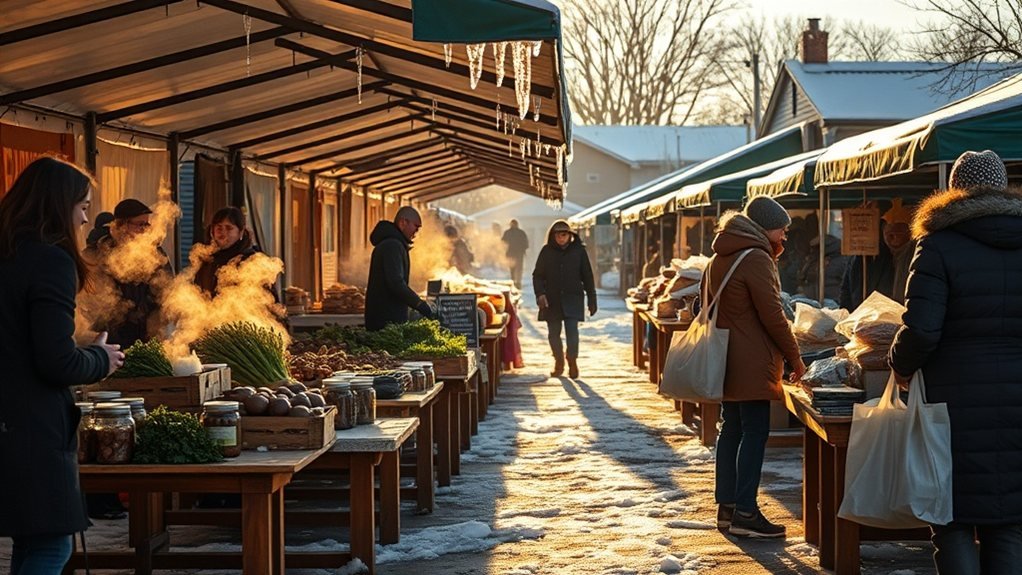
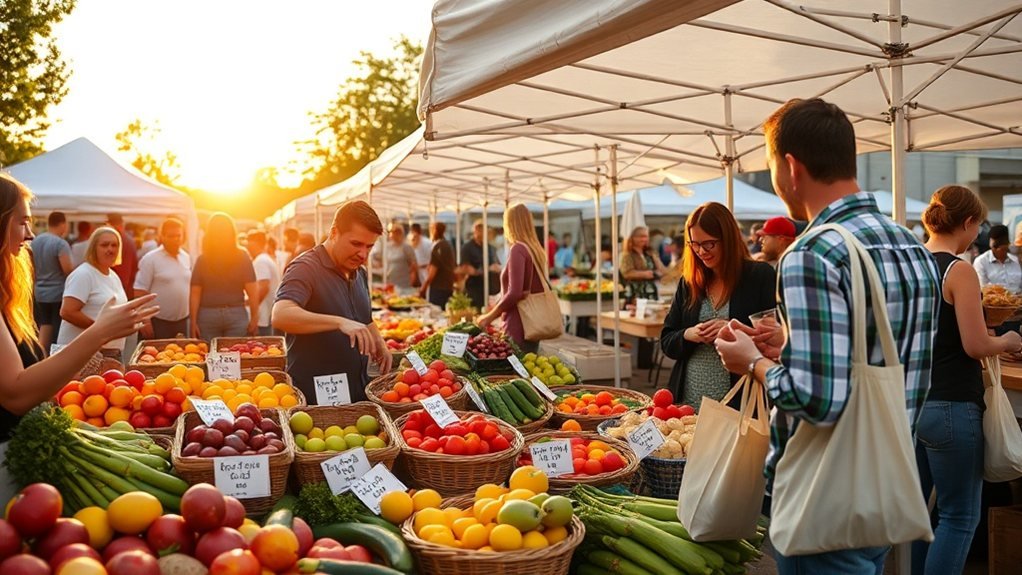
    Warm-climate states run more year-round farmers markets than anywhere else in the country. If you’re searching for a year round farmers market near me and you live in Florida, California, Texas, or Arizona, you’re in the right place. These states don’t shut down for winter. Mild temperatures keep outdoor markets going twelve months straight.

    State Why markets stay open
    Florida Subtropical climate, no hard freezes
    California Coastal temps rarely drop below 50°F
    Texas/Arizona Dry heat, minimal frost risk

    That consistency matters. You’re not guessing which weeks the market runs. You show up. The vendors show up. The community builds itself around that reliability.

    Where Indoor Winter Markets Fill the Gap in Colder Regions

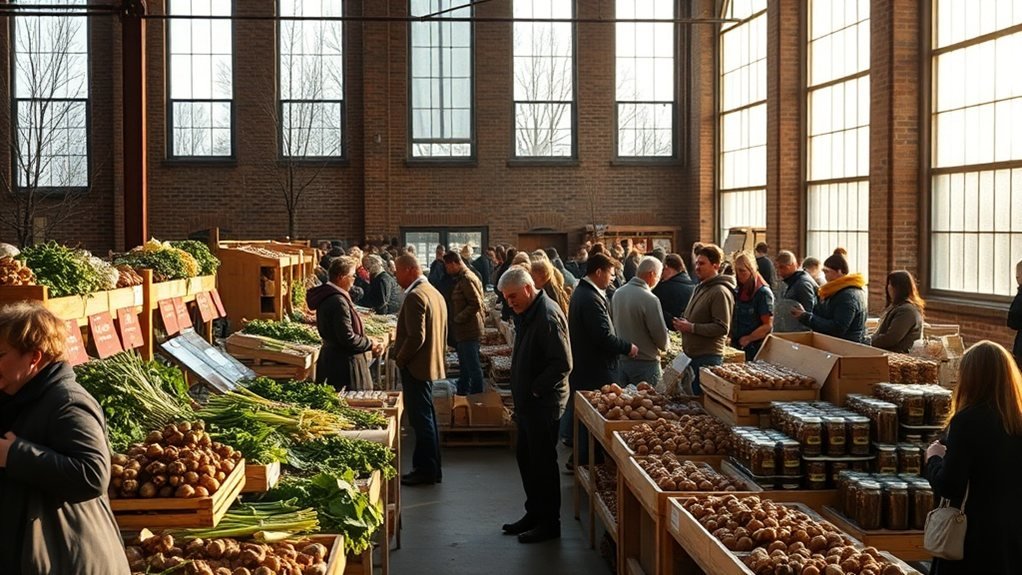
    Cold winters don’t automatically mean dead markets. States like New York, Illinois, Massachusetts, and Minnesota host indoor winter farmers markets that run through the coldest months. These markets move inside gyms, fairgrounds, community centers, and warehouses. Same vendors. Same regulars. Just a roof overhead.

    If you’re in a northern state, you’re not locked out of year-round selling or shopping. You just need to know where to look. An indoor winter farmers market keeps a consistent customer base together even when the outdoor season ends. That community doesn’t disappear. It relocates.

    Use the MGW Farmers Market Finder at markets.microgreensworld.com to filter by season and find which markets near you stay open year-round.

    Why Does a Year-Round Market Matter for Vendors?

    year round markets lower overhead

    A seasonal market gives you maybe 20 weekends to recoup your setup costs, build a customer base, and turn a profit. A 52-week market changes that math completely — you’re spreading fixed costs like a tent, tables, and signage across the full year, which drops your break-even point per market day.

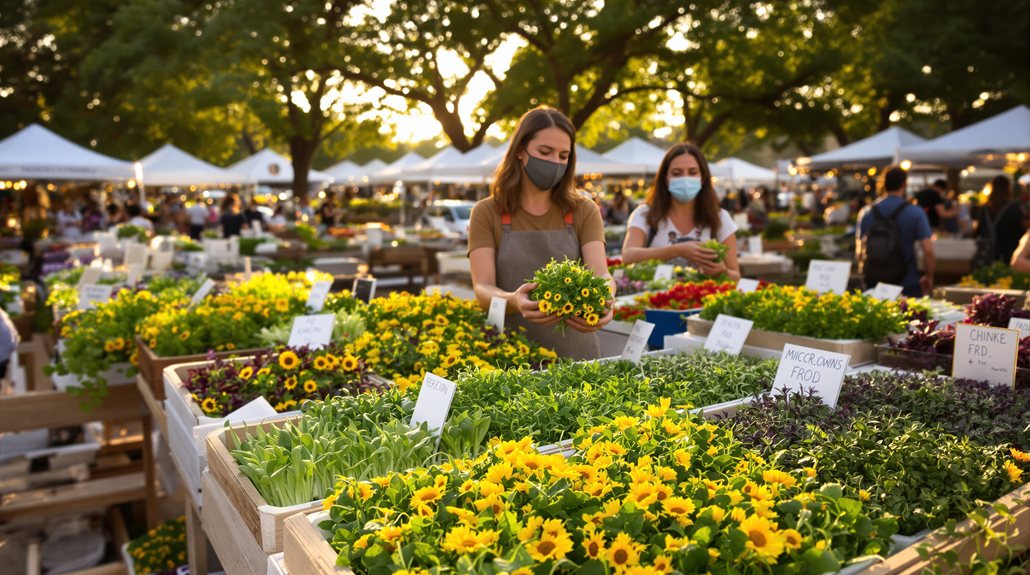
    Microgreens fit this model better than almost any other crop because they grow indoors in 7 to 14 days, so you’re not dependent on weather, soil conditions, or a harvest season.

    How a 52-Week Market Changes the Math on a Booth

    Vendors who sell only at seasonal markets often don’t realize how much the calendar is costing them. A 20-week season means 20 chances to build customer trust. A year round farmers market gives you 52. That’s not a small difference. That’s a different business.

    The math is straightforward. Fixed costs like equipment, packaging, and insurance don’t pause when the market closes. Your expenses run 52 weeks whether you’re selling or not. A year-round booth spreads those costs across more revenue opportunities instead of compressing everything into a short window.

    There’s also a community angle. Regulars at year-round markets become loyal customers. They remember you. They bring friends. That kind of repeat relationship takes time to build, and a longer season gives you that time.

    Why Microgreens Are One of the Few Crops That Work All Year

    Supplying a winter farmers market is where most crops fall apart. Tomatoes, squash, peppers — they need warm soil and long days. You can’t grow them indoors at scale without serious infrastructure.

    Microgreens are different. They grow in trays under grow lights in 7 to 14 days. No seasons. No soil temperature requirements. Just consistent light and water. That makes microgreens one of the only crops that can actually show up at a microgreens year round market with a full table every single week.

    Other vendors go home in November. You don’t have to. That consistency is what builds a real customer base. People start looking for your booth because they know you’ll be there. That’s the whole game.

    How Do You Find Year-Round Farmers Markets Near You?

    find year round farmers markets

    Most vendors find year-round markets by accident or word of mouth. That’s a slow way to do it.

    Employ the MGW Farmers Market Finder at markets.microgreensworld.com to filter markets by season, so you’re only looking at listings that stay open through winter.

    Using the MGW Market Finder to Filter by Season

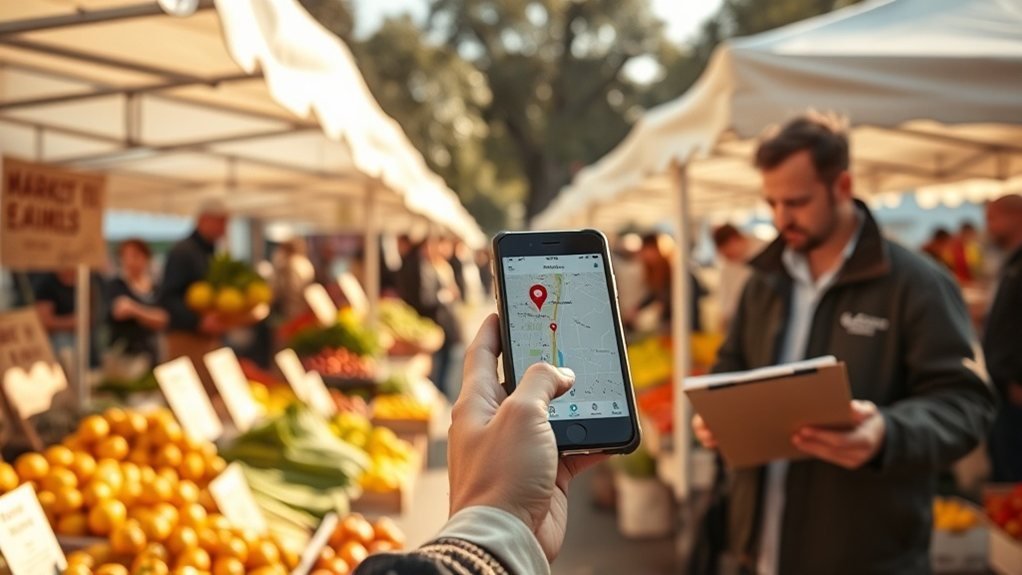
    Finding a year-round farmers market used to mean calling around or driving past empty parking lots in January. The MGW Market Finder fixes that. Go to markets.microgreensworld.com and filter by season. You’ll see which markets run year-round in your area without any guesswork.

    This matters most if you’re scouting spots as one of the year round market vendors or looking for fresh produce in winter. The tool pulls from USDA data, so the information is current and sourced. You’re not relying on a Facebook post from three years ago.

    Put in your location. Set the filter. See what’s open. That’s the whole process. It takes about two minutes and it tells you exactly where to show up.

    What to Look for in a Market Listing Before You Reach Out

    Once you’ve got a list of year-round markets in your area, don’t reach out to the first one you see. Look at the listing carefully first. A farmers market open all seasons will show operating months that run January through December. If you see gaps, it’s seasonal.

    Check the market’s listed vendor categories. Some markets cap produce vendors. If three microgreens growers are already listed, your odds of getting a spot drop.

    Look for a market manager contact and a physical address. Both signal an organized operation. A market without either is harder to work with. You want structure. That’s where consistent customers show up and where you’ll find your people.

    Are Indoor Farmers Markets Different From Outdoor Ones?

    indoor markets require formalities

    Indoor markets change almost everything about how you set up and sell. You’re working in a fixed footprint, often with lighting rules, noise limits, and load-in windows that are stricter than anything you’d deal with outside.

    Applying usually means submitting a vendor application to the market manager directly, and indoor markets fill spots slowly, so getting on a waitlist early matters.

    What Changes About the Vendor Experience Indoors

    When you move from an outdoor booth to an indoor farmers market, the whole setup changes. No canopy. No weather stress. You’re sharing a building with other vendors and a community that shows up consistently. That’s what a farmers market all year round actually looks like from the inside.

    Factor Outdoor market Indoor market
    Weather impact High None
    Setup time 45–90 minutes 20–40 minutes
    Customer foot traffic Seasonal peaks Steady year-round

    The trade-off is space. Indoor venues run tighter. Your display has to work harder in a smaller footprint. But the regulars you build indoors become your most reliable buyers.

    How to Apply for an Indoor Market Spot

    Applying for an indoor market spot works differently than showing up to an outdoor market and claiming a table. Indoor markets run applications, usually months ahead. Some have waitlists. You fill out a vendor form, describe your product, and sometimes submit photos or references.

    Unlike a year round outdoor market where walk-up spots occasionally open, indoor markets are selected. The manager wants to know the booth fits the mix.

    Start by finding the market’s website and looking for a “vendor application” or “become a vendor” link. Email the manager directly if nothing is posted. Ask about their timeline and product categories.

    Being specific about what you grow gets you further than a vague pitch.

    How Do Year-Round Markets Handle Winter Slowdowns?

    reduce inventory based on season

    Winter slowdowns are real, and most year-round vendors will tell you January foot traffic runs about half of what they see in July.

    You’ll want to adjust your inventory down during those slower months instead of showing up with the same volume you brought in summer.

    The vendors who handle it best track their weekly sales by month for at least one full year so they can plan ahead instead of guessing.

    Foot Traffic Patterns Vendors Report in January vs. July

    Foot traffic at year-round markets drops noticeably in January. If you search “farmers market january near me,” you’ll find fewer results than in July. That’s real. But the vendors who stay report something interesting: the customers who show up in January are regulars. They’re not browsing. They know what they want and they come back weekly.

    July brings crowds. January brings community. Foot traffic might be half what it was in summer, but the faces are familiar. You start to recognize people. They start to recognize you.

    That consistency matters more than raw numbers. A smaller crowd of loyal buyers is a more stable foundation than a summer surge of one-time visitors who won’t remember your booth by September.

    How to Plan Your Inventory Around Seasonal Demand Shifts

    That smaller, loyal crowd in January informs you something useful: they want specific things.

    Winter shoppers at a year-round produce market aren’t browsing. They’re on a mission. They want greens, roots, and anything fresh they can’t find at the grocery store in February.

    For microgreens, that’s good news. You’re cultivating indoors anyway. Your supply doesn’t change with the weather.

    What should change is your mix. Promote varieties that feel warming: sunflower, radish, pea shoots. Offer smaller portions for one or two-person households. Winter crowds skew older and smaller.

    Talk to your market neighbors. Watch what sells out first. That’s your real data.

    January shoppers are regulars. Give them what they came back for.

    Frequently Asked Questions

    Can You Sell Microgreens at a Farmers Market Without a License?

    You’ll need to check your state’s cottage food or produce exemption laws. Most states let you sell microgreens without a license below a revenue threshold, but requirements vary by location.

    What Permits Do You Need to Set up a Farmers Market Booth?

    You’ll typically need a business license, a cottage food or food handler’s permit, and your state’s agricultural vendor registration. Requirements vary by state, so check with your local market manager first.

    How Much Does It Cost to Rent a Farmers Market Booth?

    You’ll typically pay $25 to $150 per day for a farmers market booth, depending on the market’s size and location. Year-round markets often offer seasonal or annual vendor memberships that lower your per-market cost significantly.

    What Days of the Week Do Most Farmers Markets Operate?

    Saturday is your most common day, followed by Sunday and Wednesday. If you’re hunting for year-round markets, you’ll find weekend slots fill fastest — so check markets.microgreensworld.com early and apply before openings disappear.

    Do Farmers Markets Accept Credit Cards From Vendors and Customers?

    Most farmers markets accept credit cards today. As a vendor, you’ll typically pay a small processing fee, and as a shopper, you can swipe at most booths without carrying cash.

    Wrap-up

    Year-round markets exist. You just have to know where to look. Start with the MGW Farmers Market Finder at markets.microgreensworld.com and filter by season. Takes two minutes. If you’re a microgreens grower, winter markets aren’t just an option — they’re your advantage. Almost nobody else shows up with fresh produce in January. You can. Find your market, lock in your spot, and show up when the competition doesn’t.

  • How to Find Farmers Markets Open Near You Right Now (And What to Look for Before You Apply)

    How to Find Farmers Markets Open Near You Right Now (And What to Look for Before You Apply)

    To find farmers’ markets open near you right now, skip Google. Llistings go stale fast. Employ the MGW Farmers Market Finder at markets.microgreensworld.com instead. Search by zip code, filter by today’s day and hours, and you’ll see which markets are actually running. Before you visit or apply as a vendor, check seasonal dates, SNAP/EBT acceptance, and vendor mix. The details below will help you find the right market and show up prepared.

    Key Takeaways

    • Use the MGW Farmers Market Finder at markets.microgreensworld.com to search by zip code and filter by today’s day and hours.
    • Google listings go stale; dedicated locators pull from USDA data covering 7,842 markets for more reliable, current information.
    • Before visiting, confirm hours, seasonal dates, and weather cancellations since markets can skip weekends without notice.
    • Scout the market at least twice before applying to assess shopper behavior, price points, and vendor mix.
    • Avoid markets dominated by jewelry and candle vendors; prioritize food-heavy markets with complementary stalls like bread, eggs, and meat.

    How to Find Farmers Markets Open Near You Right Now (And What to Look for Before You Apply)

    When you search “farmers market near me,” Google gives you a snapshot, not the full picture.

    Directory listings go stale, hours change mid-season, and plenty of markets never make it into the top results at all.

    The people running that search right now fall into two groups: consumers looking for fresh food this weekend and growers scouting for a vendor spot to build a business around.

    Why a Quick Google Search Misses Half the Picture

    Google will show you a handful of farmers’ markets near you, but it’s pulling from business listings that market managers may not have updated in months. You might show up on a Tuesday expecting fresh produce and find an empty parking lot. That’s not a great feeling.

    A dedicated farmers market locator pulls from sources that actually track market schedules, seasonal dates, and operating hours. The USDA maintains data on thousands of markets across the country. That’s the backbone of tools built specifically for this search.

    Google is a starting point. It’s not a finishing point. If you want accurate information, you need a source that’s built around market data, not general business listings. The difference matters more than it sounds.

    The Two Types of People Searching for Farmers’ Markets Right Now

    Most people searching “farmers market near me” fall into one of two camps: they’re either a shopper looking for fresh produce on a Saturday morning or a grower trying to figure out where to sell. Both of you belong here.

    If you’re a shopper, you want hours, locations, and whether the market takes SNAP/EBT. Simple.

    If you’re a grower, you’re asking a different question underneath the same search. You’re not just looking for a market. You’re looking for your market. The one where your customers already show up.

    Neither search is wrong. But the information each of you needs is completely different. This guide covers both without making you wade through what doesn’t apply to you.

    How Does the USDA Farmers Market Database Work?

    national directory with variable accuracy

    The USDA maintains a national directory of farmers’ markets called the National Farmers Market Directory, and it’s the biggest public database of its kind in the country.

    Market managers submit their own listings, which means the data quality depends on how often they update them.

    Some listings are current and detailed; others haven’t been touched in years.

    What Data the USDA Collects and How Current It Is

    When you search for a farmers market, you’re usually pulling from the USDA’s Local Food Directories database, which the agency built to connect consumers with local food sources across the country. The USDA farmers market finder pulls from self-reported data. Market managers submit their own listings, including hours, location, season dates, and whether they accept SNAP or EBT benefits.

    Here’s what that means for you: the data is only as fresh as the last time a market updated it.

    Some listings haven’t been touched in years. Others are current and accurate.

    That’s exactly why the MGW Farmers Market Finder at markets.microgreensworld.com cross-references that USDA data across 7,842 markets, so you’re not showing up somewhere that closed two seasons ago.

    How to Search by Location and Filter Results

    Searching by location is straightforward once you know what the tool is actually doing behind the scenes. The MGW Farmers Market Finder pulls from USDA data and lets you search by state, city, or zip code. That last option is the fastest. Type your zip, and the farmers market search tool returns markets within your area ranked by proximity.

    From there, you can filter by days open, operating season, and whether a market accepts SNAP/EBT. Those filters matter. A market that’s only open Tuesday mornings doesn’t work if you’re building a weekly customer base. Pick the filters that match your actual schedule before you get attached to a location. The tool shows you what’s real. You decide what fits.

    How Do You Use the MGW Farmers Market Finder?

    operational hours seasons benefits

    The MGW Farmers Market Finder at markets.microgreensworld.com allows you to search by zip code, city, or state to pull up markets in your area fast.

    What makes it more useful than a quick Google Maps search is the operational detail it surfaces — hours, days open, seasonal schedules, and whether a market accepts SNAP/EBT benefits.

    Google Maps tells you a market exists; this tool tells you whether it’s worth the drive.

    Searching by Zip Code, City, or State

    You’ve got three ways to search the MGW Farmers Market Finder at markets.microgreensworld.com: zip code, city, or state. Most people start with a zip code because it’s the fastest path to markets in your actual neighborhood. Type in your farmers market by zip code, and you’ll see what’s operating closest to you first.

    City search works well if you’re willing to travel a few miles for the right fit. State search is your best move when you’re scoping multiple markets across a region.

    All three options pull from the same database of 7,842 USDA-verified markets. You’re not guessing. You’re looking at real data about real markets where real people are already buying and selling.

    What the Tool Shows You That Google Maps Does Not

    Google Maps will show you a pin and maybe some hours. That’s it.

    The MGW Farmers Market Finder is a proper farmers market directory online that goes deeper. You’ll see the actual season dates, which days of the week the market runs, and whether it accepts SNAP or EBT. That last detail matters a lot if you’re serving or shopping in lower-income communities.

    For vendors, you’ll also see enough operational detail to decide if a market fits your schedule before you ever contact the manager. No guessing. No driving out to find a locked gate.

    The directory pulls from USDA data across 7,842 markets. Google doesn’t have that. This tool does.

    What Should Consumers Look for in a Farmers Market?

    check hours days ebt

    Once you find a market near you, the next step is figuring out whether it actually fits your life.

    Check the hours and days first — a Saturday-only market doesn’t help you if you work weekends.

    If you utilize SNAP or EBT benefits, look specifically for markets that accept them, because not all do.

    Hours, Days, and Seasonal Schedules Explained

    Before you drive across town, check the hours. Farmers market hours near me is one of the most searched phrases — and for good reason. Markets don’t follow a universal schedule. Some run Saturday mornings only. Others operate Wednesday afternoons or year-round on Sundays.

    Seasonal markets close entirely in winter. Year-round markets may shift their hours between summer and winter schedules. These details matter more than people expect.

    The MGW Farmers Market Finder at markets.microgreensworld.com pulls current schedule data from the USDA for 7,842 markets. You can search by zip code and see days, hours, and active seasons before you leave the house.

    No surprises. No wasted trips. You show up when the market is actually open.

    How to Find Markets That Accept SNAP and EBT

    If you’re on SNAP or EBT, not every farmers’ market can process your card. Some markets have the equipment. Many don’t. Showing up without knowing puts you in an awkward spot nobody wants.

    When you search for a farmers’ market open near me, filter specifically for SNAP and EBT acceptance before you go anywhere. The MGW Farmers Market Finder at markets.microgreensworld.com pulls from USDA data covering 7,842 markets and shows you exactly which ones accept benefits.

    Look for markets that also offer SNAP matching programs. These programs double your spending power on fruits and vegetables. Not every market advertises this upfront, so check the market’s page directly or call ahead. That one step saves a wasted trip.

    What Should Vendors Look for Before They Apply?

    confirm customer demand and competition

    Picking the wrong market costs you time, money, and a trunk full of unsold trays.

    Before you fill out any application, you need two things: proof that the customer base buys what you grow, and a clear read on who’s already selling there.

    Those two factors tell you more about your odds than any market brochure will.

    Signs a Market Has the Right Customer Base for Microgreens

    Dr. Whatley said it plainly: know your customer before you choose your market.

    Signal What to look for What it tells you
    Booth variety Specialty produce, artisan food Adventurous buyers are already present
    Shopper behavior Asking questions, reading labels Educated, intentional customers
    Price points $8+ items selling Buyers are willing to pay for quality

    Scout two visits minimum. Then apply.

    What the Vendor Mix Tells You Before You Submit an Application

    Walk the market before you fill out a single form. Count the vendors. Notice who’s already there. If three other booths sell microgreens, that tells you something real about your odds of standing out. Look at the food-to-craft ratio too. Markets heavy on jewelry and candles often draw browsers, not buyers.

    You’re not just finding a farmers market to fill a slot. You’re finding one where you actually fit. Dr. Booker T. Whatley said it plainly: know your customer before you choose your market.

    A strong vendor mix means complementary products, not competing ones. Bread, eggs, meat, and produce vendors nearby? That’s a shopping-trip market. That’s where microgreens sell.

    How Do You Find a Farmers Market Open This Weekend?

    check market status online

    Weekend market searches are last-minute by nature, and hours change more often than most people expect.

    Before you load the car, check the MGW Farmers Market Finder at markets.microgreensworld.com to confirm the market is actually running that day. Seasonal closures, holiday adjustments, and weather cancellations don’t always make it onto a market’s social media page in time.

    Same-Day and Last-Minute Market Searches

    Saturday morning hits, and you still haven’t figured out where to go. It happens to most of us. The good news is that finding a farmers’ market open right now doesn’t require much digging.

    Pull up the MGW Farmers Market Finder at markets.microgreensworld.com. Type your zip code and filter by today’s day and hours. You’ll see which markets are actually running this morning, not just ones that exist somewhere in your county.

    Markets list their seasonal dates too, so you won’t drive somewhere that closed in October.

    If you’re a vendor doing the same search, you’re also getting a first look at who shops there. That tells you something before you ever fill out an application.

    Using the Market Finder to Check Current Hours Before You Leave

    Knowing a market exists and knowing it’s open right now are two different things. A market might run from May through October but skip certain weekends. Hours shift. Seasons end early. Searching “farmers market near me open now” without current data means you could show up at an empty parking lot. Not a great Saturday morning.

    The MGW Farmers Market Finder at markets.microgreensworld.com pulls from USDA data covering 7,842 markets. Before you leave the house, check the listing for that specific market. Look at the days, hours, and season dates. If it shows SNAP/EBT acceptance, that also tells you something about the community showing up there. Verify before you drive.

    Frequently Asked Questions

    Can You Sell Microgreens at a Farmers Market Without a License?

    You’ll need a license in most states, but requirements vary. Check your state’s cottage food or produce vendor laws before you apply — selling without the right permits can get you removed from a market.

    How Many Vendors Does a Typical Farmers’ Market Accept Each Season?

    Most markets accept 20 to 75 vendors per season, and spots fill fast. Scout the market first, so you’re applying where you’ll actually fit in with the existing vendor community.

    Do Farmers’ Markets Charge Vendors a Flat Fee or a Percentage of Sales?

    Most markets charge a flat fee — daily rates run $25–$150, seasonal fees $200–$800. Some larger markets take 6–10% of sales instead. You’ll find the structure listed when you apply.

    What Is the Average Customer Traffic at a Small Farmers Market?

    Small farmers’ markets typically draw 200 to 500 visitors per market day. You’ll find your people there, growers and shoppers who value knowing where their food comes from and who grew it.

    Are Indoor Farmers’ Markets Open Year-Round in Colder States?

    Many indoor farmers’ markets in colder states run year-round, and you’ll find them in community centers, fairgrounds, and church halls. Check the MGW Farmers Market Finder to confirm your local market’s season.

    Wrap-up

    Whether you’re hunting for fresh produce this weekend or scouting your next selling location, you’ve got everything you need to move fast. Utilize the MGW Farmers Market Finder at markets.microgreensworld.com to search by zip code, check hours, and confirm EBT acceptance before you leave the house. Vendors, look at foot traffic and product fit before you apply anywhere. The tool does the heavy lifting. You just have to utilize it.