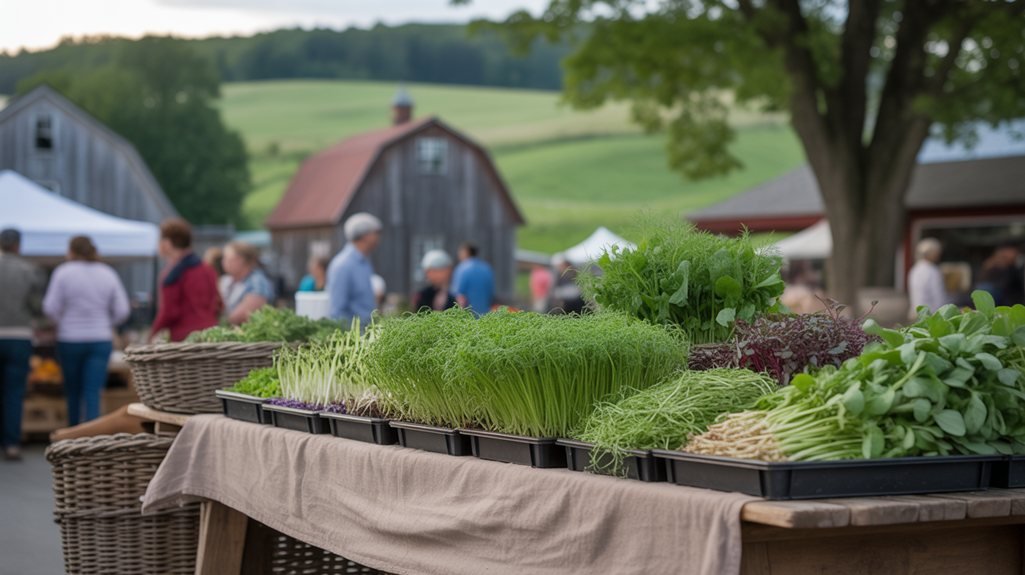
Vermont’s approximately 108 registered farmers markets concentrate vendor and buyer activity in Burlington, Montpelier, and Brattleboro, giving microgreens producers clearly defined, high-value entry points within a May–October selling window. You’ll need liability insurance, documented growing practices, and a focused product list before applying, as market managers compare applicants rigorously against returning growers. Sunflower and pea shoots consistently outperform specialty varieties, while pre-packaged clamshells accelerate Saturday sales. Continue ahead to sharpen your market selection strategy considerably.
Key Takeaways
- Vermont has approximately 108 USDA-listed farmers markets, with highest vendor and buyer activity concentrated in Burlington, Montpelier, and Brattleboro.
- The market season runs May through October, with early applications critical since returning growers often fill slots quickly.
- Sunflower, pea shoots, and mixed salad microgreens consistently outperform specialty varieties at high-volume Vermont markets.
- Applications require liability insurance, a clear product list with pricing, and documented growing practices to avoid rejection.
- Booth fees range from $20–$35 at smaller rural markets to $40–$60 or more at established venues like Burlington.
Farmers Markets in Vermont for Microgreens Vendors
Vermont’s approximately 108 USDA-listed farmers markets represent a meaningful opportunity for microgreens vendors who are already producing and need reliable, recurring outlets to move volume.
The state’s market calendar runs primarily spring through fall, concentrating vendor activity in Burlington, Montpelier, and Brattleboro, where foot traffic and buyer familiarity with specialty produce tend to support consistent sales.
Understanding both the seasonal structure and the geographic distribution of these markets lets you make strategic decisions about where to apply, rather than simply defaulting to whatever market is closest.
Why Vermont Markets Are Worth Your Attention
If you’re serious about building a reliable sales channel for your microgreens, Vermont’s farmers market ecosystem deserves a close look. The state supports approximately 108 active markets listed in the USDA database, giving you genuine optionality when selecting your first or next vendor spot.
| Factor | Why It Matters |
|---|---|
| Market density | Multiple markets within driving range reduces dependence on a single location |
| Buyer profile | Vermont shoppers prioritize local, nutrient-dense produce consistently |
As a microgreens vendor vermont, you’re entering a landscape where farmers markets vermont customers already understand specialty produce. Burlington, Montpelier, and Brattleboro anchor the strongest traffic corridors. That concentration means you can test adjacent markets without rebuilding your customer education from scratch each time.
What the Vermont Market Season Looks Like
The Vermont market season generally runs from late spring through early fall, with the bulk of outdoor markets opening in May and wrapping up by October, though some indoor winter markets carry select locations into December.
As a microgreens farmers market vendor, you’re working within a compressed window, which means your application timing matters considerably. Farmers market Vermont vendors who submit late often find spots already committed to returning growers. Burlington’s City Market and Montpelier’s Capital City Farmers Market both prioritize early applications, frequently closing vendor rosters before the season opens.
Understanding this calendar compression helps you plan your production schedule around peak availability, not just peak demand. You need your grow operation synced to market access, not the other way around.
How to Find the Right Market in Vermont
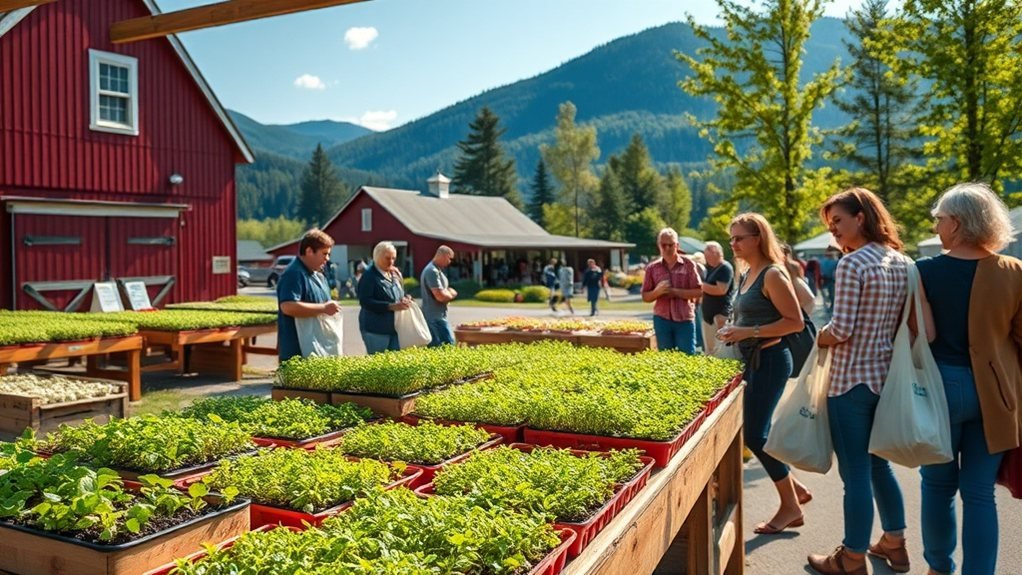
Finding the right market in Vermont starts with evaluating vendor density, foot traffic patterns, and the demographic alignment between a given market’s customer base and specialty produce like microgreens.
Burlington’s Church Street Marketplace and its surrounding Saturday market draw high-volume, year-round shoppers who engage regularly with local growers, making the city a logical first target for vendors entering the state.
Montpelier and Brattleboro operate on tighter seasonal windows but attract deeply committed local-food buyers, which can translate into consistent weekly sales if you position your booth strategically within those markets.
What to Look for Before You Apply
Before you submit a single application, you need to assess whether a given market is actually a viable fit for what you’re growing. Not every Vermont market that accepts produce vendors will welcome microgreens, and understanding how to get a farmers market booth starts with qualifying the opportunity before investing time in paperwork.
Check vendor composition first, because a market already saturated with specialty greens producers limits your positioning considerably. Foot traffic patterns, seasonal duration, and fee structures all factor into whether microgreens sell at a farmers market in Vermont the way you need them to.
A Burlington market running May through October offers fundamentally different conditions than a monthly Brattleboro market. Evaluate customer demographics, competing vendors, and market management responsiveness before committing your application materials to any specific opportunity.
Markets Near Burlington
Burlington’s concentration of farmers markets makes it one of the more strategically significant areas in Vermont for microgreens vendors looking to establish or expand their presence. The Burlington Farmers Market, operating on Saturdays at City Hall Park, draws consistent foot traffic from a demographic that actively seeks specialty produce. As a microgreens vendor Vermont, you’re entering a competitive but receptive environment where educated consumers already understand the product.
Satellite markets in South Burlington and Williston extend your weekly reach without requiring significant travel. Evaluating each market’s vendor composition before applying helps you identify gaps, particularly in the specialty greens category. Overlapping applications across Burlington-area markets simultaneously is a practical approach, given that acceptance timelines often vary considerably between individual market managers.
Markets Near Montpelier and Brattleboro
Moving beyond Burlington’s cluster of markets, the central and southern regions of Vermont open up a different kind of vendor opportunity, one shaped by smaller communities with high civic engagement around local food systems.
The Montpelier farmers market draws a politically aware, food-literate customer base that responds well to specialty crops like microgreens Vermont growers produce at small scale. Brattleboro likewise attracts buyers who prioritize provenance and farm identity over price. Both markets operate within tightly managed vendor rosters, so you’ll want to apply early and present a clear product focus.
Knowing where these markets sit geographically, how their seasons align with your production schedule, and what vendor categories remain open gives you a meaningful competitive edge before you even submit your application.
What to Expect When You Get There
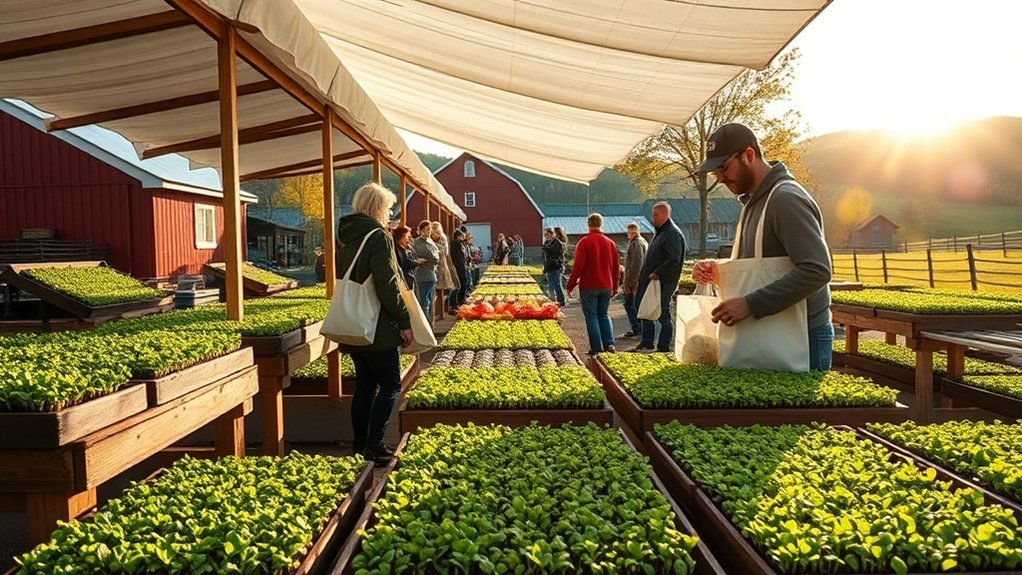
Once you secure a vendor spot, booth fees at Vermont farmers markets typically range from a flat daily rate to seasonal membership structures, with smaller community markets often charging less than established urban venues like the Burlington Farmers Market.
You’ll want to arrive with a functional, uncluttered setup: a standard 10×10 canopy, a weighted base for Vermont’s unpredictable wind conditions, and display trays that keep your microgreens visible and accessible at counter height.
Sunflower, pea shoots, and mixed salad varieties tend to move consistently at Vermont markets, where shoppers skew toward health-conscious buyers who are already familiar with locally grown specialty produce.
Booth Fees and Setup Basics
Booth fees across Vermont’s farmers markets vary more than most new vendors expect, typically ranging from a flat daily rate of $20 to $35 at smaller rural markets, while established venues like the Burlington Farmers Market can run $40 to $60 or higher per session depending on booth size and placement. As a farmers market vendor Vermont applicants should account for these costs before committing to a schedule.
Your microgreens booth farmers market setup needs minimal infrastructure, a six-foot table, a canopy rated for wind, and proper signage covering your farm name and growing method. Some markets require proof of liability insurance before your first day, so confirm that requirement during the application process, not the morning you arrive.
What Moves at Vermont Markets
Knowing your booth costs is only half the preparation; understanding what Vermont shoppers actually buy when they’re standing in front of your table is the other half.
When you sell microgreens at farmers markets in Vermont, sunflower and pea shoots consistently outperform specialty varieties, particularly at high-volume Burlington and Montpelier markets where buyers prioritize recognizable, versatile greens.
Radish and broccoli microgreens attract health-conscious customers who already research nutrition, making them reliable secondary movers.
Farmers markets Vermont microgreens vendors report that pre-packaged clamshells sell faster than bulk options, since buyers value convenience during busy Saturday mornings.
Pricing your staple varieties competitively while positioning specialty cuts as premium options gives you a defensible product architecture that serves both impulse buyers and returning weekly customers.
Getting Your Application Ready

When you submit a market application in Vermont, the manager reviewing it’s evaluating whether your product fits their vendor mix, your operation meets basic food safety standards, and your booth can function reliably across a full season.
Most rejections don’t come from bad products but from incomplete paperwork, specifically missing cottage food documentation, absent liability insurance certificates, or vague product descriptions that leave managers guessing.
You’ll strengthen your application considerably by submitting a clear product list with approximate price points, a certificate of insurance naming the market as additionally insured, and any relevant state licensing that confirms you’ve handled the regulatory side of selling microgreens in Vermont.
What Market Managers Want to See
Market managers are gatekeepers with limited vendor slots, and they’re evaluating your application against growers who’ve already done this before.
Your farmers market vendor application needs to demonstrate that you’re a reliable, production-consistent grower, not someone still figuring out their trays. Vermont’s established markets prioritize vendors who present documented growing practices, clear product descriptions, and realistic supply commitments.
If you’re offering microgreens for sale Vermont markets haven’t seen before, that differentiation matters, but only if you can sustain it weekly. Managers want proof of scale, meaning they’re looking at whether your current setup actually supports a full booth across a multi-month season. Show them your production capacity, your liability insurance, and your pricing structure before they’ve to ask.
Common Mistakes to Avoid
Even experienced growers submit incomplete applications, and that single oversight can push you to the bottom of a waiting list that Vermont’s more competitive markets maintain year-round.
At the Brattleboro Farmers Market, for instance, missing a single insurance document has delayed vendors by an entire season. When you’re selling microgreens locally, precision in paperwork separates serious vendors from casual inquiries, and managers treat that distinction as meaningful.
Don’t submit without confirming your product list matches your state agricultural registration. Many growers underestimate how thoroughly managers cross-reference submitted materials against their current vendor roster, identifying gaps or redundancies immediately.
Attach your food handler certification proactively, even when not explicitly required. Demonstrating organizational competence before you arrive signals that you’ll operate with that same discipline at the booth.
Use the Market Finder to Shortcut Your Search
Searching for open vendor slots across Vermont’s 108 registered farmers markets doesn’t have to mean cold-calling market managers one by one or driving around to scout locations on a Saturday morning. The MGW Market Finder consolidates USDA data so you, as a microgreens grower Vermont, can filter by region, season, and market size before committing a single hour to outreach.
| What You Input | What You Get |
|---|---|
| Your Vermont zip code | Nearest markets ranked by distance |
| Preferred market day | Filtered schedule results |
| Season availability | Spring through fall options |
| Market size preference | Vendor density estimates |
| Product category | Microgreens market stand compatibility |
Use the free Market Finder at markets.microgreensworld.com to build your target list today.
Frequently Asked Questions
Can I Sell Microgreens at Vermont Farmers Markets Without a License?
You can sell microgreens at Vermont farmers markets without a license in most cases, but you’ll need to verify each market’s specific vendor requirements and check current state cottage food regulations before you set up.
How Early Should I Arrive to Set up My Microgreens Booth?
Arrive 90 minutes before opening. You’ll need time to unload, position your table, set up signage, arrange trays, and still have a few minutes to settle before customers walk in.
Do Vermont Markets Require Liability Insurance for Microgreens Vendors?
Most Vermont markets require it, but the coverage amount varies. Contact each market manager directly to confirm their specific requirements before you apply so you’re not caught off guard during the vendor approval process.
What Happens if My Microgreens Sell Out Before the Market Ends?
Selling out early is a win, but don’t just pack up. Stay at your table, hand out cards, take pre-orders for next week, and tell your market manager you need a larger allocation next time.
Are There Vermont Markets That Run Indoors During Winter Months?
Yes, some Vermont markets do run indoors through winter, particularly in Burlington and Montpelier. Check each market’s schedule directly, since dates and venues shift. Employ the Market Finder at markets.microgreensworld.com to identify which ones stay active year-round.
Wrap-up
Vermont’s farmers market landscape is accessible, but you’ll need to move with intention. You’ve got the product, the process, and now a clear picture of where the opportunities are. Don’t wait until your grow operation feels ready—markets fill fast, and early outreach is what separates vendors who land spots from those who don’t. Start identifying your target markets, prepare your documentation, and submit your applications before the season’s planning window closes.