Tag: microgreens growers

  • USDA Just Launched a $1.625 Billion Program for Specialty Crop Vendors. Here Is What Microgreens Growers Need to Do Before August 7.

    USDA Just Launched a $1.625 Billion Program for Specialty Crop Vendors. Here Is What Microgreens Growers Need to Do Before August 7.

    The USDA’s Agricultural Stabilization Assistance for Commercial Farms (ASCF) program launched June 2026 with $1.625 billion for specialty crop growers, and microgreens vendors selling at farmers markets qualify. You need a USDA farm number and 2024–2025 sales and cost records before applying. Submit your application in person at your local FSA office before August 7, 2026. Everything you need to know about eligibility, covered costs, and exactly how to apply is below.

    Key Takeaways

    • Microgreens growers qualify for ASCF funding as specialty crop producers, but must have a USDA farm number before applying.
    • Contact your local FSA office immediately to confirm or obtain your farm number, as processing takes time before August 7.
    • Gather 2024–2025 invoices, receipts, and sales logs now, since incomplete records reduce or eliminate your payment amount.
    • Submit your application in person at your local FSA office; applications cannot be submitted online or by mail.
    • After submission, record your FSA case number and respond promptly to any follow-up requests to avoid disqualification.

    What is the USDA ASCF program and who qualifies?

    USDA launched the Agricultural Stabilization Assistance for Commercial Farms program in June 2026 with $1.625 billion in total funding.

    It’s built for specialty crop growers dealing with rising input costs and market upheavals.

    Microgreens qualify as a specialty crop, and if you sell at farmers markets, this program was made for operations like yours.

    Which specialty crop operations are eligible for ASCF payments

    Commercial specialty crop growers operating in the U.S. are the target for this specialty crop assistance 2026 program. That means you need to be selling, not growing as a hobby.

    USDA defines specialty crops to include vegetables, fruits, tree nuts, dried fruits, and horticulture crops. Microgreens fall under that classification.

    You also need a registered commercial operation. A USDA farm number is required. If you don’t have one, contact your local FSA office now. Processing takes time, and August 7 is a hard cutoff.

    The program offsets rising input costs and market disruptions. That covers exactly what small vendors are dealing with right now. If you’re selling at farmers markets, you’re in the right group.

    Why microgreens growers at farmers markets should pay attention

    So you qualify. The USDA ASCF program includes microgreens under its specialty crop classification. Most vendors at your market don’t know this program exists.

    That’s your opening.

    What it covers Why it matters
    Rising input costs Seeds, trays, lights, soil
    Market interruptions Lost sales, reduced foot traffic
    Specialty crop growers Microgreens are explicitly included
    Commercial operations Farmers’ market vendors qualify
    $1.625 billion total Real money, real deadline

    The August 7 cutoff is firm. Missing it means waiting for a program that may not return.

    You’re already selling at markets. You’re already commercial. Apply.

    How much money is available and what does it cover?
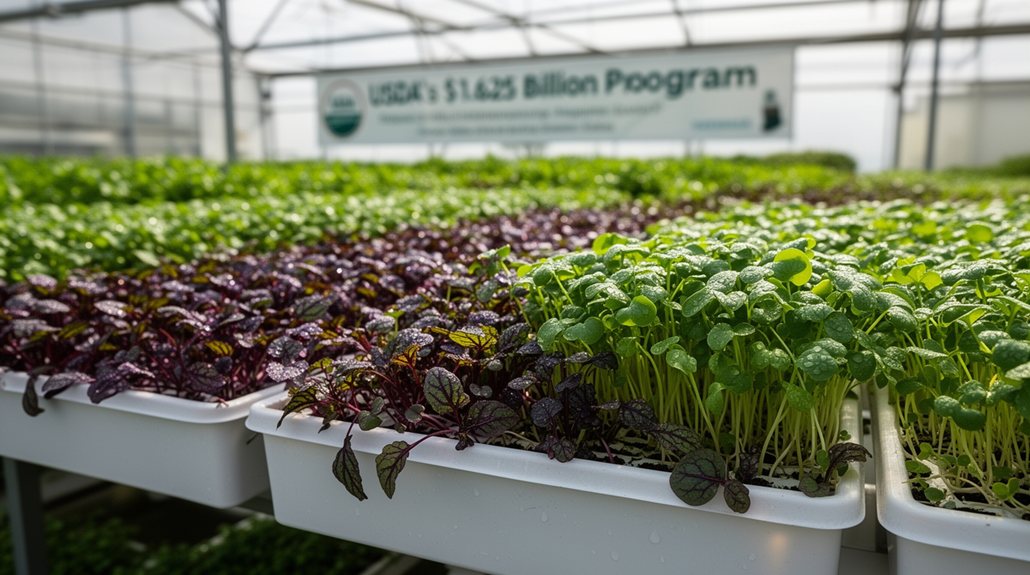
    1 625b for specialty crop costs

    The ASCF program has $1.625 billion set aside for specialty crop growers nationwide.

    It covers rising input costs like seeds, growing media, and packaging, plus losses tied to market interruptions.

    Payment amounts are calculated based on your operation’s scale and documented expenses, so your records need to be current and specific.

    What the $1.625 billion program pays for specifically

    $1.625 billion breaks down into direct payments to commercial specialty crop growers. The USDA specialty crop payments target two specific cost areas.

    Payment category What it covers
    Input cost offsets Seeds, growing media, packaging
    Market interruption relief Lost revenue from market closures
    Infrastructure support Equipment tied to commercial production

    You qualify if your operation is commercial, not a hobby setup.

    Microgreens sit inside the same category as vegetables and horticulture crops. That puts you in the same pool as fruit and nut growers who’ve used these programs for years.

    Your costs are real. This program acknowledges that directly.

    How payments are calculated for small-scale specialty crop operations

    Payment size ties directly to your documented costs and gross revenue from specialty crop sales. The ASCF program employs a formula based on your verifiable input expenses and market losses.

    Your microgreens USDA payment starts with what you can prove. Seed costs, growing media, trays, lighting, and packaging all count. So does documented revenue loss from market disruptions.

    FSA calculates your payment from your records. No records means no payment, or a smaller one. Start pulling invoices, receipts, and sales logs now.

    Small-scale growers qualify the same way large farms do. The formula scales to your operation size. What matters is accuracy, not volume.

    What do you need to apply for USDA ASCF payments?
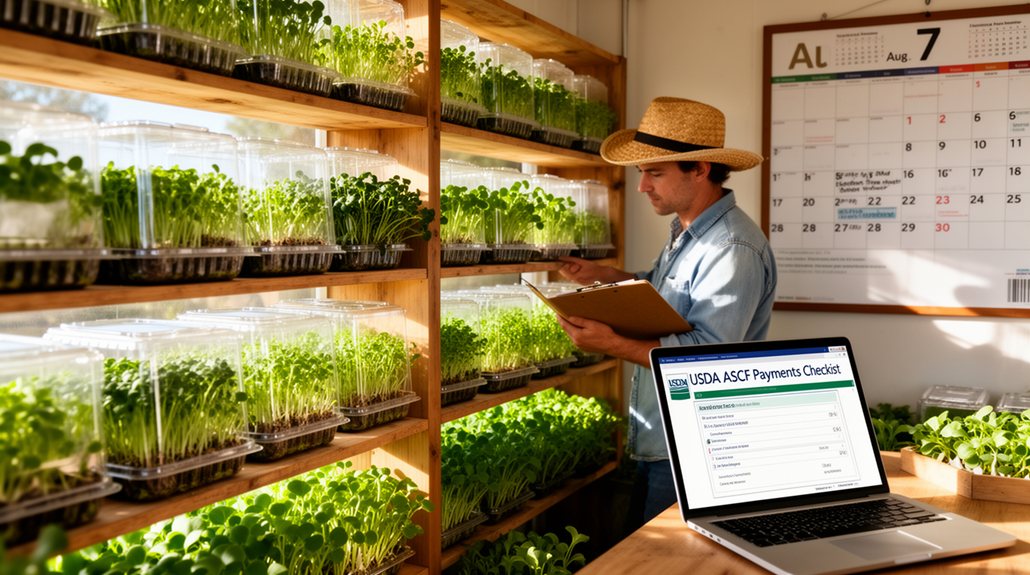
    farm number and records

    You need two things before you walk into a USDA FSA office: a farm number and your production records.

    Most small vendors don’t have a farm number yet, and getting one takes time. Start there first, then pull your cost and sales documents together.

    The USDA farm number requirement and how to get one fast

    The USDA farm number is the first thing to sort out before you do anything else. Without it, your ASCF application goes nowhere.

    Contact your local FSA office now. Processing takes time, and August 7 doesn’t move.

    When you call, tell them you grow microgreens as a commercial operation and you need a farm number to apply for USDA FSA specialty crops assistance. They’ll walk you through the registration steps. Bring proof of your growing operation. A lease, utility bill for your grow space, or sales records all help.

    Most farmers market vendors in this program have never registered with FSA before. You’re not behind. But you need to move today, not next week.

    The MGW Farmers Market Finder has 7,842 USDA-verified markets searchable by zip code, city, or state. Employ it to find and compare markets near you before you apply – markets.microgreensworld.com.

    The Microgreens Growth Path Tool maps your first move using local market data – growthpath.microgreensworld.com.

    Documents and records to gather before August 7

    Before you walk into your FSA office, gather your records first. Missing paperwork delays your microgreens grower financial assistance application.

    Pull your 2024 and 2025 sales records. Farmers market receipts, invoices, and Square or PayPal transaction reports all count.

    Bring proof of input costs. Seed purchases, growing medium receipts, and utility bills tied to production work here.

    You’ll also need your USDA farm number. No number means no application.

    Prepare a photo ID and your business formation documents if you’re an LLC or sole proprietor.

    FSA staff will ask about your acreage or production space. Have that number ready in square feet or acres.

    How do you submit a USDA ASCF application?
    apply in person at fsa

    You don’t mail anything in and you don’t apply online.

    USDA ASCF applications go through your local Farm Service Agency office in person. Knowing the exact steps before you walk in saves time and reduces the chance of a rejection.

    Where to go and what the process looks like

    Applications go through your local USDA Farm Service Agency office. Find yours at fsa.usda.gov/contact-fsa.

    Walk in or call ahead. Tell them you’re applying for the ASCF program before the usda ascf application deadline of August 7, 2026.

    You’ll need your USDA farm number at the appointment. If you don’t have one, contact your FSA office immediately. Processing takes time, and August 7 won’t move.

    Bring documentation showing your microgreens operation is commercial. Sales records, vendor permits, and market agreements work. Hobby growers don’t qualify.

    The MGW Farmers Market Finder has 7,842 USDA-verified markets searchable by zip code, city, or state. Use it to find and compare markets near you before you apply – markets.microgreensworld.com.

    The Microgreens Growth Path Tool maps your first move using local market data – growthpath.microgreensworld.com.

    What happens after you submit

    Once your FSA office receives your application, they’ll assign it a case number. Track it. Don’t assume silence means approval.

    Review timelines vary by office workload. The specialty crop assistance program August 2026 deadline means offices are processing high volume.

    Stage What happens Your action
    Submission Case number assigned Write it down
    Review FSA verifies farm number Answer calls promptly
    Decision Approval or denial issued Appeal within 30 days

    If FSA contacts you for missing documents, respond same day. Delays on your end can disqualify your application.

    Other growers in your region are moving through this same process. Stay responsive and keep copies of everything you submitted.

    What should farmers market microgreens vendors do right now?
    confirm usda number call fsa

    You’ve got two steps to take this week before August 7 closes the window.

    First, confirm you have a USDA farm number.

    Second, locate your FSA office and call them today.

    The two steps to take this week before the window closes

    If you sell microgreens at a farmers market, two actions need to happen this week.

    First, confirm you have a USDA farm number. Without one, you can’t apply. Call your local FSA office today. Processing takes time, and August 7 doesn’t move.

    Second, gather your commercial sales records. The ASCF program targets commercial operations. You’ll need documentation that proves active market sales, not hobby-level output.

    A usda farm payment microgreens application without both pieces is a dead end. Other growers in your market are likely missing this window entirely. That’s your advantage if you move now.

    The MGW Farmers Market Finder has 7,842 USDA-verified markets searchable by zip code, city, or state. Employ it to find and compare markets near you before you apply – markets.microgreensworld.com.

    The Microgreens Growth Path Tool charts your first move using local market data – growthpath.microgreensworld.com.

    How to find your local FSA office and what to ask

    For most microgreens vendors, the FSA office is less than 30 miles away. Go to fsa.usda.gov and employ the office locator tool.

    Call before you go. Tell them you’re a specialty crop grower applying for ASCF funding.

    Ask two things. First, do you have a USDA farm number on file? Second, what documents do they need from you to process your application before August 7?

    If you don’t have a farm number, say that immediately. Processing takes time you don’t have.

    The MGW Farmers Market Finder has 7,842 USDA-verified markets searchable by zip code, city, or state. Employ it to find and compare markets near you before you apply – markets.microgreensworld.com.

    The Microgreens Growth Path Tool maps your first move using local market data – growthpath.microgreensworld.com.

    Frequently Asked Questions

    Can You Apply to USDA ASCF if You Sell at Multiple Markets?

    Yes, you can. Selling at multiple markets doesn’t disqualify you. Your eligibility is based on your farm operation, not how many markets you’re in.

    Does Selling Online or Through a CSA Affect Your ASCF Eligibility?

    Selling online or through a CSA doesn’t disqualify you. ASCF eligibility is based on your crop classification and commercial status, not your sales channel. All revenue streams count toward proving you’re a commercial operation.

    What Happens if the August 7 Deadline Passes Before Your Farm Number Arrives?

    You’re locked out. The FSA won’t accept late applications. Call your local FSA office today, explain the timeline, and ask if an emergency processing option exists before August 7.

    Can a Beginning Farmer With One Growing Season Qualify for ASCF Payments?

    You can qualify with one season. The ASCF doesn’t set a minimum years-in-operation requirement. You need a farm number and proof you’re selling commercially, not growing as a hobby.

    Is There an Income or Farm Size Limit That Disqualifies Small Microgreens Operations?

    There’s no income or farm size minimum listed for ASCF. You qualify if you’re a commercial operation, not a hobby grower. Confirm your status with your local FSA office before August 7.
  • How to Get a Vendor Spot at Dallas Farmers Market: What 200 Businesses Look Like From the Outside In

    How to Get a Vendor Spot at Dallas Farmers Market: What 200 Businesses Look Like From the Outside In

    Dallas Farmers Market in downtown Dallas hosts over 200 businesses, but only about 50 represent Texas farms and ranches. That imbalance means specialty produce vendors, including microgreens growers, have real room to get in. You’ll apply as an agricultural vendor, not a retail vendor — wrong category selection slows everything down. Budget two to four weeks for approval. Visit the market first, observe what sells, and the full picture of how to position yourself comes next.

    Key Takeaways

    • Dallas Farmers Market supports over 200 businesses, but only about 50 represent Texas farms, making specialty produce a thin competitive lane.
    • Microgreens and specialty produce fill a visible gap where staple crop vendors and prepared food sellers currently dominate vendor spots.
    • Market-fit is judged from outside through booth appearance, product availability, and whether vendors demonstrate consistent volume readiness.
    • Agricultural vendors, including microgreens sellers, must apply under the agricultural track, not the retail category, to avoid application delays.
    • Visiting the market first to observe foot traffic peaks and product demand strengthens your application with real observational data.

    What should you know about Dallas Farmers Market before you apply?

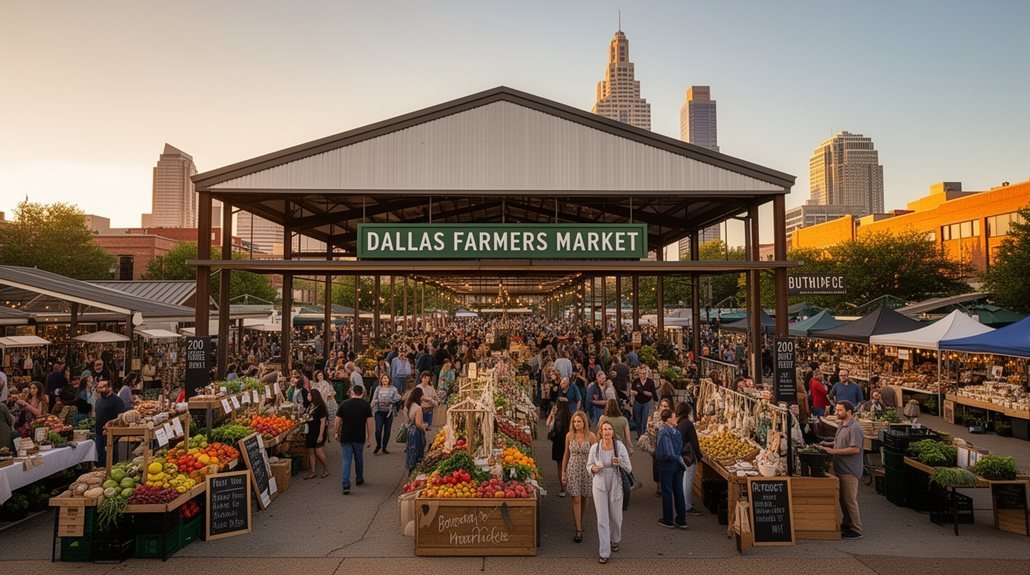
    Dallas Farmers Market isn’t a weekend pop-up. It’s a permanent complex in downtown Dallas near Deep Ellum, supporting over 200 small businesses and about 50 Texas farms.

    The customer base and vendor mix here are specific, and you need to understand both before you fill out an application.

    What Makes Dallas Farmers Market Different From Other Texas Markets

    When you’re sizing up Texas farmers markets, Dallas Farmers Market stands apart in a few concrete ways.

    It’s anchored in downtown Dallas, near Deep Ellum. That location gives you direct access to one of the largest urban populations in the state.

    The market supports over 200 small businesses and around 50 Texas farms and ranches. That scale means real foot traffic and a built-in customer base looking for local products.

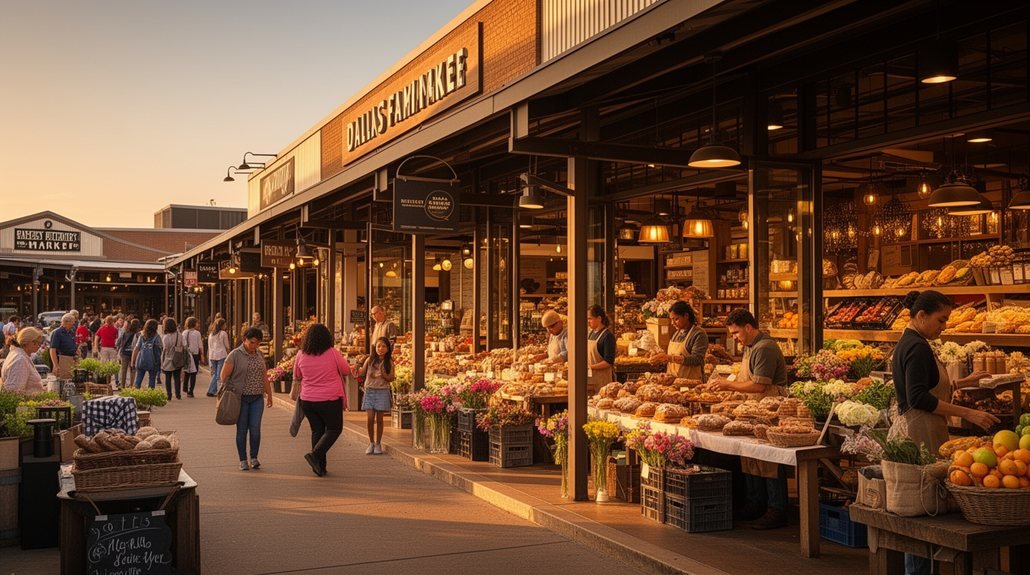
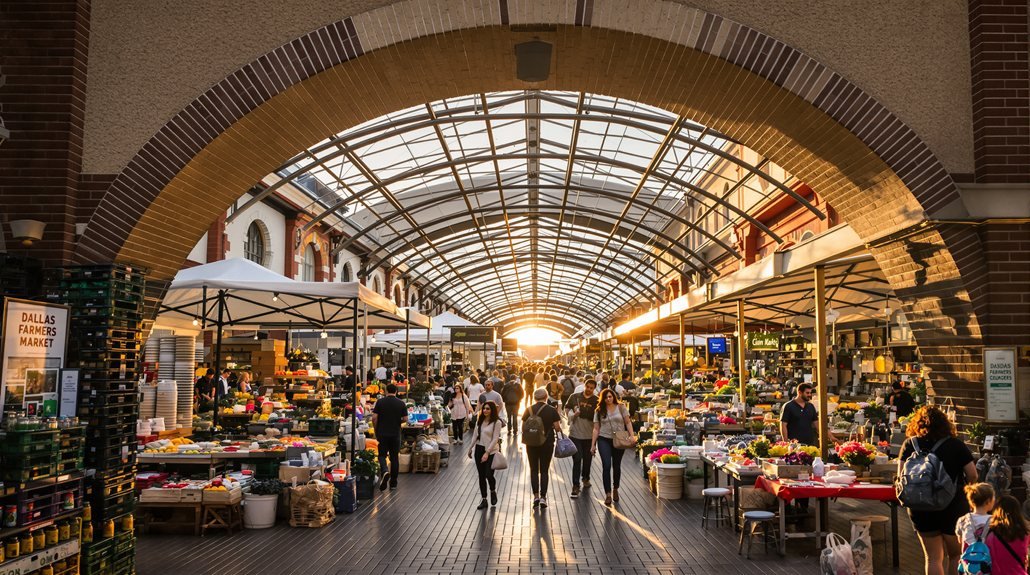
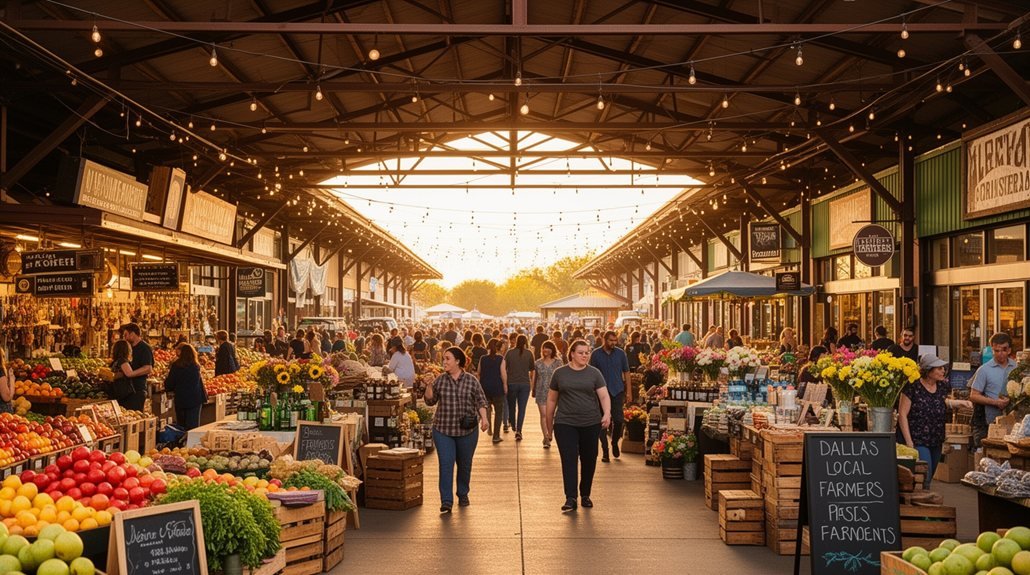
    The physical setup matters too. The Shed is a permanent covered structure. The weekend outdoor market runs alongside it. As a dallas farmers market vendor, you’re choosing between two distinct selling environments.

    Agricultural vendor applications are handled separately from retail business applications. Knowing which category you fall into before you apply saves you time.

    Who Shops There and What They Actually Buy

    Knowing the physical setup is one thing. Knowing who walks through the gate matters more for your dallas farmers market vendor application.

    Dallas draws urban professionals, families, and food-conscious buyers from surrounding neighborhoods like Deep Ellum and Uptown.

    Shopper type What they buy Spend pattern
    Urban professionals Specialty produce, microgreens High per-visit
    Young families Fresh vegetables, local goods Moderate, repeat
    Food-focused locals Unique ingredients, small-batch Selective, loyal

    These buyers look for products they can’t find at a grocery store. Microgreens fit that gap directly.

    Dr. Booker T. Whatley’s framework is simple: know your customer before you choose your market. Visit Dallas Farmers Market first. Watch what sells. Then apply.

    What does the vendor mix look like at Dallas Farmers Market?

    predominantly prepared foods and retail

    Dallas Farmers Market hosts more than 200 small businesses, and prepared foods and retail goods dominate the vendor floor.

    Specialty produce vendors are under-represented compared to those categories. That gap is where a microgreens grower has room to get in.

    Which categories are overrepresented at Dallas Farmers Market

    Most vendor spots at Dallas Farmers Market go to prepared foods, packaged goods, and retail businesses. That’s where the competition is thickest for any downtown Dallas farmers market vendor.

    The Shed hosts permanent small businesses year-round. Many of those spots are locked up by established retailers and food vendors who’ve been there for years.

    The weekend outdoor market adds more variety, but prepared foods still dominate. You’ll see baked goods, sauces, candles, and crafts before you see specialty produce.

    Out of 200-plus businesses at the market, only about 50 are Texas farms and ranches. Fresh produce vendors are already a smaller group. Specialty produce like microgreens is even more underrepresented.

    That gap is where your application has room.

    Where the gap is for specialty produce vendors

    Among the 50 or so Texas farms at the market, most grow staple crops. Think tomatoes, peppers, squash, and greens like kale or spinach.

    That’s the crowded lane.

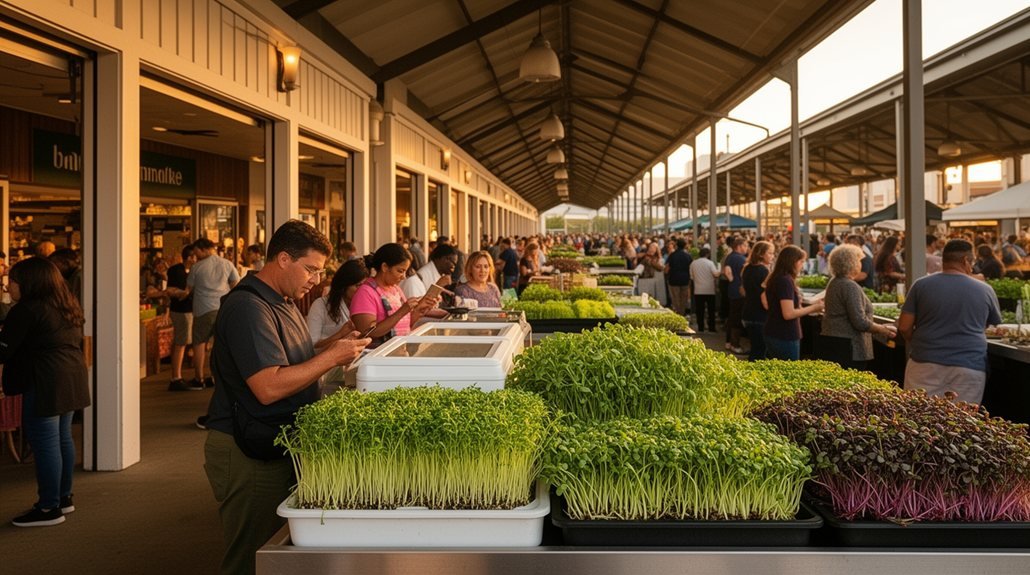
    Microgreens at Dallas Farmers Market sit in a different position. Very few vendors bring specialty produce like sunflower shoots, pea tendrils, or living trays of radish microgreens.

    Dr. Booker T. Whatley taught this directly. Know your customer before you choose your market. Walk Dallas Farmers Market as a buyer first. Watch what’s missing from the tables near The Shed.

    The gap is your application strategy. Specialty produce is under-represented. That’s not a problem. That’s your opening.

    What does the Dallas Farmers Market vendor application process involve?

    meet texas agricultural requirements

    Dallas Farmers Market separates agricultural vendor applications from retail business applications. If you’re selling microgreens, you fall under the agricultural track, and that comes with Texas state produce requirements you’ll need to meet before you submit anything. The selection process is competitive, so knowing exactly what the market wants from you before you apply saves time.

    What the market requires before you submit an application

    Before you touch the application, know that Dallas Farmers Market runs two separate vendor tracks. One is for agricultural vendors. The other is for retail businesses.

    If you’re selling microgreens, you fall under the agricultural track. That means you meet Texas state agricultural requirements before anything else.

    The dallas farmers market application process asks for documentation. Have your business structure, product list, and any required state permits ready before you open the form.

    The market supports around 50 Texas farms and ranches. They know what a farm operation looks like. Your application needs to match that picture clearly.

    Read the agricultural vendor requirements on their official site first. Don’t guess. Missing one requirement stalls your entire application.

    What the selection process looks like

    Once you submit, the market’s management team reviews your application against their current vendor mix. They’re checking whether your product fills a gap or duplicates what’s already there.

    Dallas market vendor requirements aren’t the only filter. Fit matters too. If three vendors already sell leafy greens, your microgreens application needs to show something different.

    Approval timelines vary. Budget two to four weeks for a response after submission.

    If you’re not selected, ask why. That answer tells you exactly what to fix before the next application cycle.

    Getting accepted means the market sees you as adding something the current 200-plus vendors don’t already cover. That’s the standard you’re writing toward.

    What do microgreens vendors specifically need to know about Dallas Farmers Market?

    high demand specialty microgreens market

    Dallas Farmers Market pulls from one of the largest urban populations in Texas. That customer base skews toward buyers who want specialty produce and are willing to pay for it.

    Microgreens fit that gap directly, and the vendor competition for specialty greens is thin compared to prepared foods.

    Why Dallas Farmers Market’s customer base is a strong match for specialty greens

    The market sits near Deep Ellum in downtown Dallas, pulling foot traffic from one of the densest urban populations in Texas. That customer base already knows what specialty produce is.

    Dallas shoppers at this market skew urban, food-aware, and willing to pay for quality. They’re not looking for the cheapest option. They’re looking for something they can’t get at a grocery store.

    Specialty produce at the Dallas market faces less vendor competition than prepared foods or retail goods. That gap is real. Microgreens fit directly into it.

    You’re not trying to break into a saturated space here. You’re filling a slot that most vendors aren’t touching.

    What sets successful vendors apart at Dallas Farmers Market

    Knowing the gap exists isn’t enough. You have to show up prepared to fill it.

    Vendors who succeed at Dallas Farmers Market The Shed bring consistency first. They’re there every week. Customers learn to find them.

    They also come with a clear product story. Microgreens are unfamiliar to some shoppers. You need a simple pitch ready before anyone asks.

    Packaging matters more than most new vendors expect. Clean labels, clear variety names, and professional trays signal that you’re serious.

    Volume matters too. Running out by 10 a.m. gets noticed. It tells the market you’re not ready to scale.

    Apply as an agricultural vendor, not a retail vendor. That’s the correct category for produce at this market. Getting that wrong delays everything.

    How do you find Dallas Farmers Market and locate other markets like it near you?

    search verified texas markets

    Dallas Farmers Market is one market. Texas has dozens more, and some may fit your product and schedule better.

    Employ the MGW Farmers Market Finder at markets.microgreensworld.com to search all verified Texas markets by zip code before you commit to an application.

    Using the MGW Market Finder to scout markets in Texas

    Before you apply anywhere, pull up the MGW Farmers Market Finder at markets.microgreensworld.com. It covers 7,842 USDA-verified markets across all 50 states.

    Search by zip code, city, or state. Dallas Farmers Market shows up fast.

    Use the tool to compare your options before you commit to a dallas farmers market 2026 vendor application.

    Search input What you find Why it matters
    Dallas, TX Dallas Farmers Market Confirm location and season
    75201 zip code Nearby weekend markets Spot backup options
    Texas statewide 100+ active markets Compare vendor competition

    Run the Texas statewide search. See where microgreens are missing. That gap tells you where you fit.

    What to look for before you apply to any Texas market

    Once you’ve compared markets in the MGW Farmers Market Finder, you need a short checklist before you apply anywhere.

    First, confirm the market accepts agricultural vendors. Dallas Farmers Market handles ag applications separately from retail.

    Check vendor fees and booth sizes. A 10×10 space at a busy downtown Dallas market costs more than one in a smaller suburb.

    Look at current vendor mix. If no one sells specialty produce, that’s your gap.

    Visit the market in person before applying. Watch what moves, who buys it, and when foot traffic peaks.

    Then apply with that data behind you. That’s how to get into Dallas Farmers Market with a real shot at approval.

    Frequently Asked Questions

    Does Dallas Farmers Market Allow Vendors to Sell at Multiple Stalls?

    Dallas Farmers Market doesn’t advertise multi-stall setups as standard. You’d need to confirm directly with market management, as space assignments depend on your vendor category, application approval, and what’s available when you apply.

    What Days and Hours Does Dallas Farmers Market Operate Each Week?

    You’ll find the outdoor market open Saturday and Sunday, 8 a.m. to 2 p.m. The Shed operates Monday through Sunday. Check the official Dallas Farmers Market site for current holiday hours before you plan your visit.

    Are There Income or Sales Volume Requirements to Apply as a Vendor?

    You don’t need to meet a sales volume or income threshold to apply. Dallas Farmers Market screens vendors on product type, compliance, and fit. Your numbers don’t qualify you. Your category does.

    Can Out-Of-State Growers Apply to Sell Produce at Dallas Farmers Market?

    You can apply, but Texas agricultural requirements apply to produce vendors. If you’re growing out of state, you’ll need to review those compliance rules before submitting.

    Does Dallas Farmers Market Offer Trial or Seasonal Vendor Spots?

    Dallas Farmers Market doesn’t advertise trial spots. You’ll apply for a standard agricultural vendor slot. Seasonal availability exists, but you’ll need to contact their market office directly to ask about current openings.