
Nevada hosts approximately 67 USDA-listed farmers markets, with the highest vendor activity concentrated in Las Vegas, Reno, and Henderson. You’ll find the market calendar inverted compared to most U.S. regions—peak season runs October through April, when cooler temperatures draw consistent foot traffic and align naturally with microgreens production. Best-selling varieties include sunflower, pea shoots, and radish, particularly at Henderson markets. Understanding which venues match your production scale and demographic is where your competitive positioning actually begins.
Key Takeaways
- Nevada has approximately 67 USDA-listed farmers markets, with the highest vendor activity concentrated in Las Vegas, Reno, and Henderson.
- Nevada’s inverted market calendar runs October through April, aligning perfectly with microgreens production by avoiding summer heat stress.
- Top-selling microgreens varieties include sunflower, pea shoots, and radish, which convert browsers fastest when samples are available.
- Booth fees typically range from $20–$75 per market day, with higher fees at urban Las Vegas and Reno venues.
- Use the MGW Market Finder at markets.microgreensworld.com to filter Nevada listings by city, season, and market type efficiently.
Farmers Markets in Nevada for Microgreens Vendors
Nevada’s roughly 67 USDA-listed farmers markets represent a meaningful distribution across the state’s major population centers, with Las Vegas, Reno, and Henderson collectively accounting for the highest vendor activity and foot traffic.
What distinguishes Nevada from many other states is its inverted market calendar, running primarily fall through spring rather than the conventional summer peak, which means your growing schedule needs to align with cooler ambient temperatures and a customer base that’s actively shopping outdoors during months when other regional vendors may be winding down.
If you’re already producing microgreens consistently, Nevada’s market structure gives you a realistic pathway to secure a vendor spot during an active selling window that doesn’t compete with the intense summer heat that otherwise suppresses both attendance and produce shelf life at outdoor markets.
Why Nevada Markets Are Worth Your Attention
For microgreens vendors operating in the western United States, Nevada presents a market landscape that rewards growers who understand its seasonal rhythms and demographic realities. The state’s farmers markets nevada listings number approximately 67, concentrated in Las Vegas, Reno, and Henderson, giving you genuine geographic options.
Nevada’s fall-through-spring calendar works directly in your favor, because microgreens perform best when heat isn’t a limiting factor at market. You’re selling into urban populations that skew toward health-conscious, restaurant-adjacent buyers who already know what microgreens are. That baseline familiarity reduces your education burden at the booth considerably.
At a microgreens farmers market event in Henderson or Reno, you’ll find customers who ask about varieties rather than asking what microgreens are, which changes the entire sales dynamic.
What the Nevada Market Season Looks Like
When you map out the Nevada farmers market season, the fall-through-spring operating window becomes one of the most structurally favorable conditions a microgreens vendor nevada can find anywhere in the western region. Nevada’s desert climate inverts the typical growing calendar, pushing market activity into October through April, when temperatures support comfortable outdoor commerce.
As a farmers markets nevada microgreens vendor, you’re producing during the exact window when markets run consistently, eliminating the summer heat that upends both your trays and your customer traffic. Reno and Las Vegas anchor this pattern with reliable weekly schedules throughout that period.
You’re not fighting seasonal gaps the way Midwest vendors do. The calendar alignment here is deliberate, structural, and worth building your production schedule around from the start.
How to Find the Right Market in Nevada

Before you apply to any Nevada market, you need to evaluate vendor density, customer foot traffic patterns, and seasonal alignment with your production schedule. Las Vegas concentrations around the Henderson Farmers Market and the Downtown Container Park Market draw consistent urban buyers, particularly during the October through April window when outdoor commerce peaks in the Mojave climate. Reno’s midtown corridor markets operate on a compressed calendar that rewards vendors who can supply continuously rather than sporadically, making your production consistency as crucial as your product quality.
What to Look for Before You Apply
Choosing the right farmers market in Nevada isn’t simply a matter of finding the nearest one with an open vendor slot.
Before you pursue how to get a farmers market booth, assess each market’s vendor composition, foot traffic patterns, and demographic alignment with your product.
If you’re positioning microgreens for sale Nevada customers will actually pay for, you need markets where buyers already understand specialty produce.
Review the market’s existing vendor roster carefully. A market saturated with produce vendors compresses your positioning, while one lacking fresh goods entirely may signal weak foot traffic overall.
Contact the market manager directly, ask about average weekly attendance, and request the vendor application timeline.
That preliminary research determines whether your application effort converts into a sustainable selling opportunity.
Markets Near Las Vegas
Las Vegas accounts for the largest concentration of farmers markets in Nevada, with over a dozen active markets spread across the metro area, including Henderson and North Las Vegas. As a farmers market vendor in Nevada, you’ll find that metro proximity, seasonal timing, and foot traffic density vary significantly between venues.
| Market Area | Peak Season | Vendor Competition |
|---|---|---|
| Las Vegas Strip Adjacent | Fall–Spring | High |
| Henderson | Year-Round | Moderate |
| North Las Vegas | Fall–Winter | Lower |
Identifying which las vegas farmers market aligns with your current production volume determines whether you’ll move product consistently or sit with unsold trays. Study each market’s existing vendor roster before you submit your application.
Markets Near Reno and Henderson
Moving beyond Las Vegas, Nevada’s two other high-activity markets cluster around Reno in the north and Henderson in the Clark County metro, each operating under conditions that differ enough from the Strip-adjacent venues to warrant separate consideration.
The Reno farmers market scene draws a demographic that skews heavily toward health-conscious locals rather than transient visitors, which means repeat customers become genuinely attainable. Henderson farmers market operations benefit from dense residential neighborhoods where household purchasing decisions are consistent week to week.
Both corridors run within Nevada’s fall-through-spring calendar window, so timing your vendor application accordingly matters. Employ the MGW Market Finder at markets.microgreensworld.com to identify specific open dates, contact information, and application windows for markets across both regions before a slot closes.
What to Expect When You Get There

Once you’ve secured a spot, the operational realities of vending in Nevada become immediately apparent, beginning with booth fees that typically range from $25 to $75 per market day, depending on whether you’re working a managed indoor venue in Las Vegas or a smaller seasonal setup in a rural county.
Setup expectations vary considerably, but most Nevada markets require a 10×10 canopy, a visible price display, and compliance with the state’s cottage food or commercial kitchen documentation.
What actually sells at these markets reflects the demographic and seasonal context, with culinary microgreens like sunflower, pea shoots, and radish consistently outperforming novelty varieties among the health-conscious, year-round shoppers that populate the urban Nevada market circuit.
Booth Fees and Setup Basics
Booth fees in Nevada’s farmers markets tend to run between $20 and $60 per market day, though that range shifts considerably depending on the market’s size, location, and organizational structure.
A microgreens booth at a farmers market in Nevada’s urban corridors, particularly Las Vegas or Reno, typically commands higher fees than smaller community markets in rural counties.
Most markets require a six-foot table, a canopy, and visible signage at minimum. You’ll also need your Nevada business license and food handler documentation accessible on-site. Farmers market Nevada vendors operating without those documents risk removal, regardless of product quality.
Budget your first season conservatively, accounting for both weekly fees and recurring supply costs, before committing to multiple markets simultaneously.
What Moves at Nevada Markets
Shelf-stable greens rarely drive impulse purchases at Nevada farmers markets the way fresh, visually arresting microgreens do, which means your product category already carries a structural advantage in high-foot-traffic environments like the Downtown Summerlin or Reno’s Idlewild markets.
As a microgreens grower nevada shoppers encounter repeatedly across fall and spring seasons, you’ll notice sunflower and pea shoots converting browsers fastest, particularly when samples are available.
Selling microgreens locally requires understanding that desert-climate shoppers prioritize nutrient density narratives, which you should communicate through direct conversation rather than signage alone.
Radish varieties move consistently at Henderson markets due to their visual contrast and recognizable peppery profile.
Positioning your densest, most colorful trays at standing eye level accelerates decisions considerably, cutting your average transaction time while increasing overall volume per market day.
Getting Your Application Ready
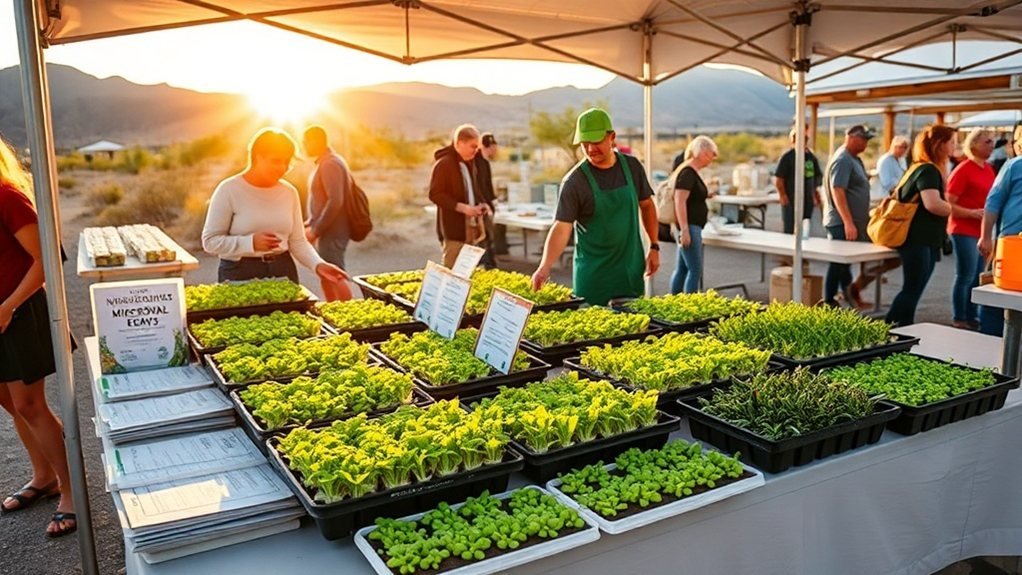
Your application is the first substantive evidence a market manager has of your professionalism, so it carries disproportionate weight relative to the brief time it takes to complete.
Most rejections at Nevada markets, particularly the competitive Las Vegas and Reno venues, stem not from product quality but from incomplete documentation, vague product descriptions, or missing certifications like a Nevada cottage food registration or food handler’s card.
Treat the application as a positioning document, one that communicates your production scale, your product range, and your operational readiness to a manager who’s reviewing dozens of submissions simultaneously.
What Market Managers Want to See
Market managers in Nevada are gatekeepers with limited booth space and a practical need to fill it with vendors who demonstrate operational readiness before a single application is submitted. When you submit a farmers market vendor application, you’re not just registering interest; you’re presenting evidence that your operation functions at a professional level.
Managers evaluate whether you can sell microgreens at farmers market consistently, handling volume, weather, and customer interaction without logistical failure. Your Nevada business license, food handler certification, and liability insurance documentation must be current and immediately accessible.
A well-photographed booth setup signals aesthetic cohesion, while a clear product list communicates inventory stability. Managers favor vendors whose paperwork reflects operational discipline, because incomplete applications signal exactly the kind of vendor inconsistency that creates problems mid-season.
Common Mistakes to Avoid
Knowing what managers want is only half the equation, because understanding where applications break down is what separates vendors who get accepted from those who reapply season after season without success. Your microgreens market stand fails on paper before it ever fails in person.
| Mistake | Why It Costs You |
|---|---|
| Vague product descriptions | Managers can’t visualize your stand’s market fit |
| Missing certifications upfront | Application stalls immediately |
| Generic photos | Doesn’t demonstrate how to sell microgreens professionally |
| No defined price points | Raises doubt about your operational readiness |
Nevada market managers process multiple applications simultaneously. Precision signals professionalism. Submit complete documentation, specific variety lists, and clear setup descriptions the first time, because incomplete applications rarely receive follow-up opportunities from coordinators managing tight vendor rosters.
Use the Market Finder to Shortcut Your Search
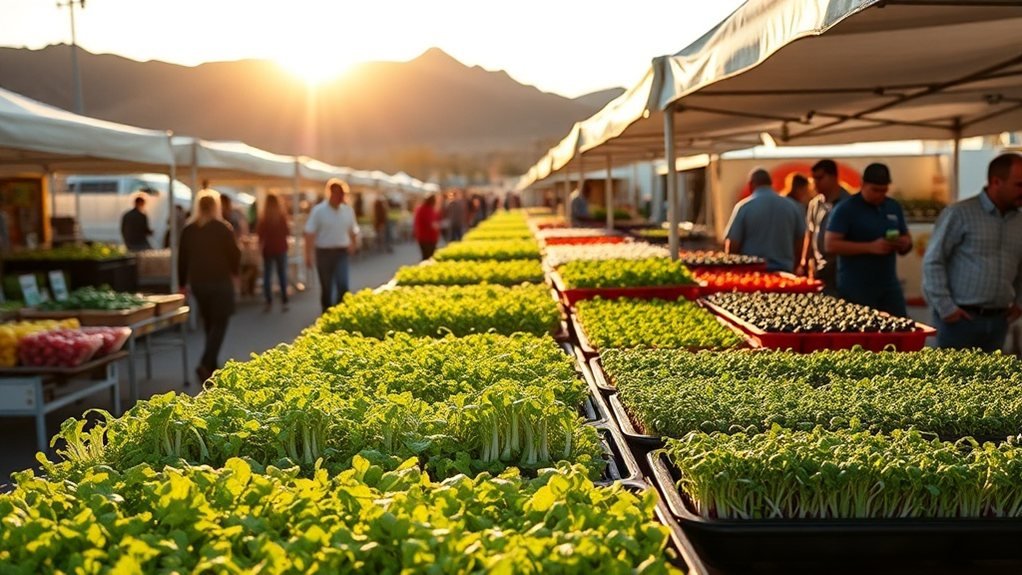
Sorting through 67 markets manually eats up time you could spend in the grow room, and the MGW Market Finder at markets.microgreensworld.com cuts that process down considerably by pulling directly from USDA data to surface Nevada listings by location, season, and market type.
If you’re building a microgreens business in Nevada, that efficiency matters because the fall-through-spring calendar means application windows open and close faster than most growers anticipate. Filter by city, confirm operating seasons, and cross-reference market types before you reach out to managers.
Vendors selling local microgreens nevada customers recognize have already done this groundwork, which is why they’re booking spots while others are still compiling spreadsheets. Employ the tool, move faster, and get your application in front of the right markets first.
Frequently Asked Questions
Can I Sell Microgreens at Nevada Farmers Markets Without a Business License?
You’ll likely need one. Nevada counties handle licensing differently, so check with your specific county clerk before your first market day. Some markets also require proof of a business license before approving your vendor application.
How Do Nevada Health Codes Affect Selling Living Versus Cut Microgreens?
Nevada treats living and cut microgreens differently. You’ll sell living trays as a plant product, but once you cut them, they’re classified as produce and may trigger additional handling or cottage food considerations.
Do Nevada Markets Require Vendors to Carry Liability Insurance?
Most Nevada markets require you to carry general liability insurance, typically $1 million per occurrence. You’ll usually need to list the market as an additional insured on your policy before they’ll approve your vendor application.
How Cold Does It Get at Nevada Winter Markets and Does It Matter?
Winter temps at Nevada markets can drop into the 30s, and yes, it matters. Your microgreens will stress in the cold, so bring insulated trays and a canopy with sidewalls to protect your product.
Can I Vend at Multiple Nevada Markets in the Same Week?
Yes, you can vend at multiple Nevada markets in the same week. Many growers stack Las Vegas, Henderson, and Reno markets strategically. Check each market’s exclusivity clause first, since some prohibit vendors from nearby competing markets.
Wrap-up
You’ve got the trays, the product, and now a clearer picture of where Nevada’s markets actually operate. Employ the MGW Farmers Market Finder to confirm locations, seasons, and contact details before you commit to an application. Las Vegas, Reno, and Henderson offer the densest opportunities, and the fall-through-spring calendar aligns precisely with microgreens’ optimal growing conditions. Start with one market, establish your presence, then expand methodically once you’ve validated your setup.