Tag: vendor tips

  • You Are on the Farmers Market Waitlist. Here Is What to Do Next.

    You Are on the Farmers Market Waitlist. Here Is What to Do Next.

    Being on a farmers market waitlist means you’re queued behind vendors who may stay for years. Your position reflects demand, not proximity to a booth. Contact the market manager directly to get your real status. Ask about fill-in slots for last-minute cancellations. Apply to two or three smaller markets now to build a documented sales record. Keep going — there’s a faster path in.

    Key Takeaways

    • Contact the market manager directly to get your current waitlist position and ask which product categories have the most vendor turnover.
    • Ask about fill-in vendor slots covering last-minute cancellations; these opportunities build visibility and demonstrate reliability to market managers.
    • Apply to sister or satellite markets within the same organization to bypass the primary waitlist and build a documented sales track record.
    • Apply to two or three smaller local markets now to accumulate three to five documented market days while waiting.
    • Document sales, setup, and product quality with dated photos and harvest logs to strengthen your primary market application.

    What does being on a farmers market waitlist actually mean?

    Being on a waitlist doesn’t mean you’re close to a booth.

    Some markets, like Nourish Knoxville Market Square, run waitlist-only systems with no clear timeline. Your position tells you how much demand exists, but it doesn’t tell you how the market fills its spots.

    How different markets manage their waitlists differently

    When you’re on a farmers market waitlist, it doesn’t mean the same thing at every market. The process varies a lot depending on who runs it.

    Nourish Knoxville Market Square is waitlist-only for agricultural vendors. Mass Farmers Markets in Boston employs a rolling system. The 61st Street Farmers Market in Chicago contacts waitlisted vendors only when regulars cancel.

    Some markets rank you by application date. Others sort by product category. A few, like Nashville Richland Park, don’t maintain a waitlist at all.

    Knowing how your specific market operates tells you how long the farmers market waitlist wait could actually be. Call the market manager directly. Ask which system they employ. That one conversation tells you more than waiting ever will.

    What waitlist position tells you about market demand

    A long farmers market waitlist usually means the market is working. Shoppers show up. Vendors sell out. That’s the signal you want before committing booth fees and product.

    Your position on the list tells you something specific. A waitlist of 40 vendors at Nourish Knoxville Market Square means demand is real but competition is tight.

    A short waitlist at a newer market means faster entry. It also means the customer base is still being built.

    Neither is wrong. But you need to know which one you’re in. Ask the market manager directly. Get the number. That number tells you how long to wait versus when to pivot.

    How long do farmers market waitlists typically take?
    vendor waitlists can vary

    The wait depends on two things: vendor turnover and how the market manages its list.

    Some markets move in a single season. Others, like Nourish Knoxville Market Square, keep agricultural vendors on a waitlist that can stretch years because established sellers rarely leave.

    What determines how fast a waitlist moves

    Waitlists rarely move at a predictable pace. Your farmers market application waitlist position depends on factors the market controls, not you.

    Factor How it affects your wait
    Vendor turnover rate Low turnover means longer waits
    Product category demand Saturated categories move slower
    Market size Larger markets have more slots
    Fill-in slot availability Opens doors faster than rank
    Organization structure Multi-market orgs move applicants internally

    Some markets, like Mass Farmers Markets in Boston, employ rolling waitlists. Others, like the 61st Street Farmers Market in Chicago, only call you when a regular cancels.

    Ask directly which system the market employs. That one question tells you exactly how long you’re waiting.

    The markets where the wait is measured in years not months

    Some markets don’t measure wait times in months. They measure them in years.

    Nourish Knoxville Market Square is waitlist-only for agricultural vendors. There’s no projected timeline given. You’re in line until a slot opens.

    Mass Farmers Markets in Boston runs a rolling waitlist. Movement depends entirely on vendor turnover. That can be slow at an established market with loyal regulars.

    If you’re asking how long to get into a farmers market like these, the honest answer is one to three years at the most competitive locations.

    The 61st Street Farmers Market in Chicago only contacts waitlisted vendors when regulars cancel. That could be one season. It could be five.

    Plan around that reality now.

    Is there a faster way to get a booth than waiting in line?
    ask about fill in slots

    Two moves get you into a booth faster than your waitlist position ever will. Most vendors never ask about fill-in slots, and that’s a mistake.

    Sister markets run by the same organization can get you vending before your name moves up a single spot.

    The fill-in vendor slot that most waitlisted vendors never ask about

    Most market managers keep a separate, informal list for fill-in vendors. This list is different from your waitlist position.

    A farmers market fill-in vendor steps in when a regular cancels. It happens more than you’d think. Weather, illness, and supply problems pull vendors out last minute.

    Email the market manager directly. Ask if they’ve fill-in opportunities for waitlisted vendors. Employ those exact words.

    At the 61st Street Farmers Market in Chicago, waitlisted vendors get contacted when regulars cancel. That’s a real booth day, not a promise.

    One fill-in slot builds your name with the manager. You’re no longer just an application. You’re someone they’ve seen work.

    The sister market path that bypasses the waitlist entirely

    Many large markets run satellite or sister markets in nearby neighborhoods. These smaller markets often have open spots and shorter waitlists.

    Nourish Knoxville manages both Market Square and a secondary location. Getting accepted at the secondary site puts you inside the organization. That relationship matters when a spot opens at the primary market.

    Apply to multiple farmers markets under the same management umbrella. Tell each market manager you’re already accepted or active at their sister location. That track record travels.

    Chicago’s 61st Street Farmers Market and Boston’s Mass Farmers Markets both run multiple sites. One acceptance can open doors across the whole network. Start with the easiest entry point first.

    What should you do while you wait on a farmers market waitlist?
    actively research and document crops

    The waitlist isn’t dead time. Employ it to gather market intelligence and build the production record that makes your next application stronger. Two things matter most: showing up as a customer and documenting what you’re growing.

    How to visit the market as a customer and turn that into vendor intelligence

    Go to the market on its busiest day, usually Saturday morning, and walk it like a vendor scout, not a shopper.

    Count the microgreens vendors. Note their price points and packaging. Write it down.

    Find the gaps. If nobody’s selling sunflower shoots or pea tendrils, that’s your opening.

    On a farmers market waitlist, what to do with this visit matters. Talk to the market manager if they’re visible. Ask which product categories have the most turnover.

    Look at booth placement. Corner spots and end-caps move more product.

    Notice what sells out before 10 a.m. That’s your signal. Come back two or three times before your booth day arrives.

    What to document and build during the waiting period

    Documenting your production now gives you proof of consistency when your name comes up. Market managers want to see that you’re already operating, not just planning.

    Take dated photos of each tray. Log your harvest weights weekly.

    What to document How to record it How often
    Tray counts Dated photos Every grow cycle
    Harvest weight Written log or app Weekly
    Variety mix Labeled photos Each harvest
    Packaging condition Close-up photos Before each market day
    Social media posts Screenshot archive Ongoing

    Building this file answers the question of how to get off farmers market waitlist. You’re showing the manager a grower who’s already ready.

    Should you apply to other markets while you wait?
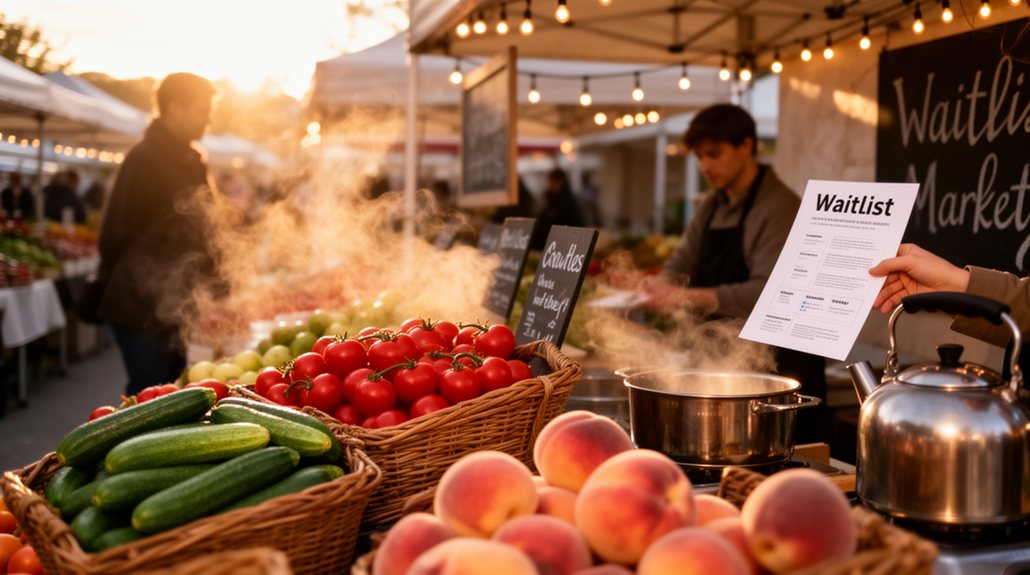
    apply to smaller markets

    Waiting on one market doesn’t mean you stop moving. Apply to smaller markets now and start building a sales record.

    That track record makes your next application to a competitive market harder to ignore.

    Why a smaller market track record accelerates your primary market application

    Most market managers ask for proof you’ve sold before. A smaller market gives you that proof fast.

    Sell at a local neighborhood or church market first. Get three to five market days on record. Document your sales, your setup, and your product quality with photos.

    That record changes your application. You’re no longer an unknown vendor. You’re a farmers market substitute vendor with a real history.

    Some managers at competitive markets, like Nourish Knoxville or Mass Farmers Markets in Boston, weigh vendor experience when curated waitlist spots open. A documented track record at a smaller market puts you ahead of applicants who only have plans.

    How to use the MGW Market Finder to find other markets near you

    Don’t put all your weight on one waitlist. Search the MGW Farmers Market Finder to find farmers markets accepting vendors near you right now.

    Enter your zip code. Filter by state or city. You’ll see 7,842 USDA-verified markets across all 50 states.

    Search input What you find Next step
    Zip code Markets within your radius Check application status
    City name Urban and suburban options Compare vendor fees
    State Regional market clusters Identify sister markets

    Apply to two or three smaller markets while you wait. That track record matters when your primary market reviews your file.

    The MGW Farmers Market Finder has 7,842 USDA-verified markets searchable by zip code, city, or state. Employ it to find and compare markets near you before you apply – markets.microgreensworld.com.

    The Microgreens Growth Path Tool maps your first move using local market data – growthpath.microgreensworld.com.

    Frequently Asked Questions

    Can You Lose Your Waitlist Spot if You Do Not Respond Fast Enough?

    Yes, you can lose your spot. Most markets give you 24 to 48 hours to respond when they contact you. Miss that window and they move to the next vendor on the list.

    Do Markets Notify You by Email, Phone, or Both?

    Most markets utilize email as their primary method. Some follow up by phone if you don’t respond. Check your spam folder regularly and keep your contact info current with the market manager.

    What Happens to Your Waitlist Position if the Market Changes Management?

    Your position isn’t protected. New management often resets or rebuilds the waitlist entirely. Confirm your standing in writing as soon as a leadership change is announced.

    Should You Tell a Market Manager You Are Waitlisted at a Competing Market?

    Don’t mention it. Managers want vendors committed to their market. Saying you’re waitlisted elsewhere signals divided loyalty. Stay focused on why their market is the right fit for your product.

    Can You Reapply if the Market Rejects You After Pulling You off the Waitlist?

    Yes, you can reapply. Ask the manager what specifically blocked your application. Fix those gaps, then resubmit next cycle. Most markets reset annually and welcome improved applications from previously rejected vendors.
  • How to Become a Vendor at East Nashville Farmers Market — Nashville’s Community-Driven Market

    How to Become a Vendor at East Nashville Farmers Market — Nashville’s Community-Driven Market

    To become a vendor at East Nashville Farmers Market, you’ll submit a two-part application covering proof of production, a valid Tennessee business license, and food handler certifications. Market managers review for vendor mix fit, not just open slots. Specialty produce like microgreens is under-represented, which gives you a real opening. Show up every week and supply consistently. Keep going and you’ll see exactly how to position your application to stand out.

    Key Takeaways

    • East Nashville Farmers Market uses a two-part application process requiring baseline documentation and a vendor mix review for fit.
    • Applicants must submit proof of production, a valid Tennessee business license, and applicable food handler certifications.
    • Market managers prioritize vendors who fill gaps in the existing mix; specialty produce like microgreens is currently underrepresented.
    • Successful vendors commit to weekly attendance and supply products that consistently match the market’s customer demand.
    • Approval comes through direct contact, and accepted vendors receive priority consideration at larger Nashville farmers markets.

    What should you know about East Nashville Farmers Market before you apply?

    East Nashville Farmers Market isn’t a generic community market. It serves a specific neighborhood with a specific customer base, and that difference changes how you position your product and your application.

    Before you apply, you need to understand who shops there and what they’re already buying.

    What Makes East Nashville Farmers Market Different From Other Tennessee Markets

    If you’re applying to sell at a Nashville farmers market, this one’s a deliberate first step, not a fallback option. Established east nashville farmers market vendors get priority consideration for larger Nashville locations.

    That pathway matters. It’s built into how the market operates.

    Factor East Nashville Typical TN Market
    Vendor pathway Priority access to flagship markets No structured progression
    Customer base Young, food-literate, specialty-focused General grocery shoppers
    Specialty produce competition Low Moderate to high

    The customer base here actively seeks out local and specialty produce. Microgreens fit that demand directly.

    Prepared food vendors dominate most markets. Specialty produce has open space here.

    Who Shops There and What They Actually Buy

    Most shoppers at East Nashville Farmers Market live within a few miles of the market. They’re younger, food-literate, and they already know what microgreens are.

    This crowd reads labels. They ask where things are grown. They spend more per visit than a typical weekend market shopper.

    What they buy reflects that. Specialty produce moves here. Prepared foods face more competition, but a microgreens vendor meeting east nashville farmers market vendor requirements sits in a less crowded category.

    That matters when the market reviews your application for fit within the existing vendor mix.

    These shoppers want to know the grower. Show up as a neighbor, not just a seller. That framing alone separates your booth from a generic produce table.

    What does the vendor mix look like at East Nashville Farmers Market?

    baked goods dominate microgreens sparse

    Most community markets fill up fast with baked goods, prepared foods, and craft vendors.

    Specialty produce, including microgreens, stays under-represented. That gap is where your application has the best chance of standing out.

    Which categories are overrepresented at East Nashville Farmers Market

    Before you apply, you need to know what’s already there. East Nashville Farmers Market is well-stocked with prepared food vendors. Baked goods, hot food, and ready-to-eat items take up significant space.

    Craft vendors and artisan goods also show up in strong numbers. These categories compete hard for spots because the east Nashville market vendor requirements favor vendors who fill actual gaps.

    Conventional produce from established farms holds ground too. You’re not going to out-compete a 20-year farm operation on tomatoes and greens.

    Specialty produce is where the shelf clears. Microgreens sit in a category that most vendors aren’t touching. That’s not a coincidence. It’s a signal. The gap is real, and it’s the angle you bring to your application.

    Where the gap is for specialty produce vendors

    Specialty produce vendors are thin on the ground at East Nashville Farmers Market. That gap is real, and it’s where microgreens fit.

    Most vendor slots go to prepared food, baked goods, and crafts. Fresh specialty produce, including microgreens, is under-represented. The customer base here is food-literate and actively looking for what they can’t find at a grocery store.

    Dr. Booker T. Whatley’s core principle applies directly: know your customer before you choose your market. Visit East Nashville as a customer first. Watch what sells. Identify what’s missing.

    Microgreens east Nashville farmers market searches are low because the product barely exists there yet. That’s your opening. A market with demand and no supply is the right place to apply.

    What does the East Nashville Farmers Market vendor application process involve?

    baseline requirements and mix

    The East Nashville Farmers Market application process has two parts: meeting baseline requirements and passing a vendor mix review.

    You need to have your production documentation ready before you submit anything.

    The market checks for fit, not just availability, so knowing what the vendor mix already looks like gives you a real advantage.

    What the market requires before you submit an application

    You’ll need a few things ready before East Nashville Farmers Market will review your application. Knowing how to get into East Nashville Farmers Market starts with documentation, not the form itself.

    Have proof of production ready. That means photos of your grow setup, your location address, and confirmation you’re producing what you plan to sell.

    You’ll also need a valid Tennessee business license and any applicable food handler certifications. If you sell edible products, including microgreens, the market expects you to meet state cottage food or commercial kitchen requirements.

    The market reviews vendor fit against its existing mix. Come prepared to describe what you grow, how much, and how often. Gaps in that information slow your review down.

    What the selection process looks like

    Once your documents are in order, the review process begins. Market managers review your application for fit within the existing vendor mix. They’re checking whether you fill a gap, not just whether you grow clean product.

    Specialty produce vendors, including microgreens growers, face less competition in this review than prepared food vendors do.

    Your production verification matters here. Managers want confirmation that your supply is consistent and local. Incomplete paperwork stalls your east nashville market application 2026 before it gets a real read.

    If approved, you’ll be contacted directly. There’s no public waitlist dashboard to monitor.

    Being part of this market also puts you in line for priority consideration at larger Nashville locations. That’s the longer play.

    What do microgreens vendors specifically need to know about East Nashville Farmers Market?

    young food literate buyers present

    East Nashville’s customer base skews younger, food-literate, and willing to pay for specialty produce. That’s a direct match for microgreens.

    What sets vendors apart here isn’t just product quality. It’s knowing the gap in the vendor mix before you apply.

    Why East Nashville Farmers Market’s customer base is a strong match for specialty greens

    Most farmers markets attract general shoppers. East Nashville draws a younger, food-literate crowd that already knows what microgreens are.

    These shoppers read labels. They ask where food comes from. They spend more on specialty produce at East Nashville market because quality matters to them.

    That’s your customer. They’re not looking for the cheapest option. They want something they can’t find at a grocery store.

    Specialty produce east nashville market vendors face less direct competition than prepared food sellers do. Most vendor slots there are occupied by baked goods and sauces.

    That gap is real. A microgreens table stands out in that mix. You’re not fighting for attention.

    What sets successful vendors apart at East Nashville Farmers Market

    Knowing the customer gap is step one. Filling it consistently is what makes you a vendor worth keeping.

    East Nashville Farmers Market vendors who stay get two things right. They show up every week, and they bring product that fits the mix.

    Microgreens fit. Specialty produce is under-represented at most community markets. That gap is real, and the application reviewers see it.

    Come as a customer first. Watch what sells on a Saturday morning. Count how many tables carry fresh specialty greens. The answer is usually none or one.

    That observation becomes your application strategy. You’re not guessing at fit. You’re showing the market you already understand their vendor mix.

    How do you find East Nashville Farmers Market and locate other markets like it near you?

    find verified nearby farmers markets

    Finding East Nashville Farmers Market is straightforward, but finding comparable markets across Tennessee takes more work. The MGW Farmers Market Finder covers 7,842 USDA-verified markets searchable by zip code, city, or state. Before you apply anywhere, you need to know what to look for so you don’t waste an application on the wrong market.

    Using the MGW Market Finder to scout markets in Tennessee

    Before you apply anywhere, pull up the MGW Farmers Market Finder at markets.microgreensworld.com. It covers 7,842 USDA-verified markets across all 50 states.

    Search by zip code, city, or state. Type in Nashville and you’ll see East Nashville Farmers Market listed alongside other community farmers market options in the area.

    This matters because East Nashville isn’t your only option. You want to see the full picture before you commit as a vendor.

    Compare market days, locations, and sizes. Look at which markets are close to each other geographically. That affects your delivery schedule and your ability to run multiple stops.

    The tool is free. You don’t need an account. Pull it up before your first application conversation with any Nashville market manager.

    What to look for before you apply to any Tennessee market

    Pulling up the tool gets you a list. Every market in Tennessee shows up searchable by zip code or city.

    Filter by Nashville. You’ll see East Nashville Farmers Market along with other Davidson County options.

    Check the vendor mix column. You want to know what categories are already filled. If a market shows five produce vendors and no microgreens, that’s your opening.

    Look at market size and frequency next. East Nashville runs weekly, which matters for building a regular customer base.

    Before you submit the east nashville farmers market vendor application, confirm the market’s product fit matches what you grow. The tool shows this at a glance.

    You’re not guessing. You’re making a decision based on what the data shows.

    Frequently Asked Questions

    Does East Nashville Farmers Market Operate Year-Round or Only Seasonally?

    East Nashville Farmers Market runs seasonally, not year-round. You’ll want to check their current schedule before applying so your production timeline lines up with their active vendor season.

    Are There Fees Vendors Must Pay to Participate at East Nashville Farmers Market?

    You’ll pay vendor fees to participate. The exact amounts vary by booth size and season. Contact the market manager directly to get the current fee schedule before you apply.

    Can a Vendor Sell at Multiple Nashville Farmers Markets at the Same Time?

    You can sell at multiple Nashville farmers markets at the same time. Many vendors do. Building your presence at East Nashville first puts you in a stronger position when applying to larger Nashville markets.

    How Many Vendors Are Typically Accepted at East Nashville Farmers Market Each Season?

    You’re looking at a small, selected vendor pool. East Nashville typically accepts 20 to 30 vendors per season. That limited size keeps the community tight and makes each accepted vendor matter to the market’s identity.

    What Happens if Your Application to East Nashville Farmers Market Is Rejected?

    If you’re rejected, don’t stop. Ask for feedback, fix the gaps they flagged, and reapply next season. Many vendors get in on their second or third attempt.

  • How to Get a Vendor Spot at Dallas Farmers Market: What 200 Businesses Look Like From the Outside In

    How to Get a Vendor Spot at Dallas Farmers Market: What 200 Businesses Look Like From the Outside In

    Dallas Farmers Market in downtown Dallas hosts over 200 businesses, but only about 50 represent Texas farms and ranches. That imbalance means specialty produce vendors, including microgreens growers, have real room to get in. You’ll apply as an agricultural vendor, not a retail vendor — wrong category selection slows everything down. Budget two to four weeks for approval. Visit the market first, observe what sells, and the full picture of how to position yourself comes next.

    Key Takeaways

    • Dallas Farmers Market supports over 200 businesses, but only about 50 represent Texas farms, making specialty produce a thin competitive lane.
    • Microgreens and specialty produce fill a visible gap where staple crop vendors and prepared food sellers currently dominate vendor spots.
    • Market-fit is judged from outside through booth appearance, product availability, and whether vendors demonstrate consistent volume readiness.
    • Agricultural vendors, including microgreens sellers, must apply under the agricultural track, not the retail category, to avoid application delays.
    • Visiting the market first to observe foot traffic peaks and product demand strengthens your application with real observational data.

    What should you know about Dallas Farmers Market before you apply?

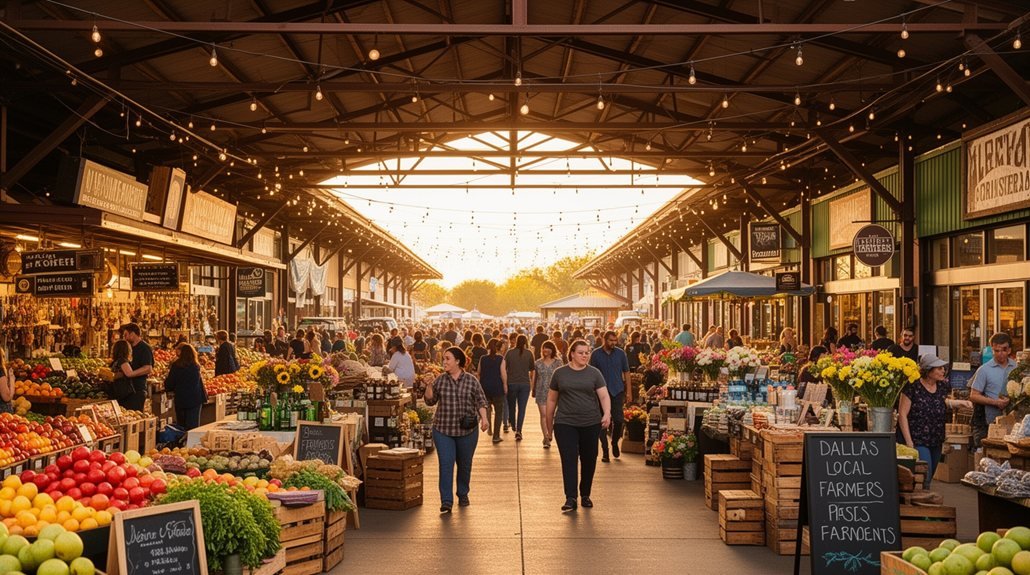
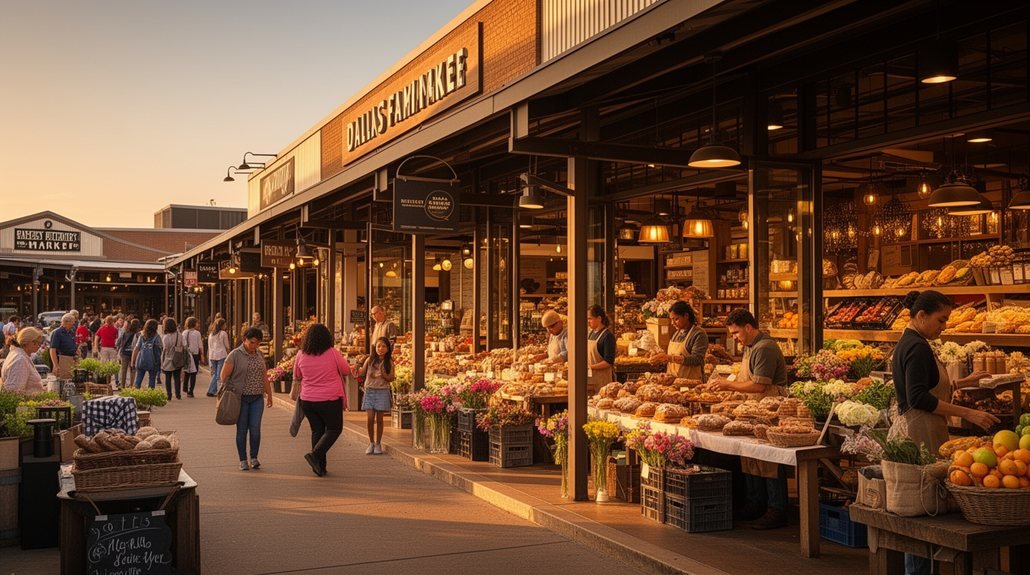
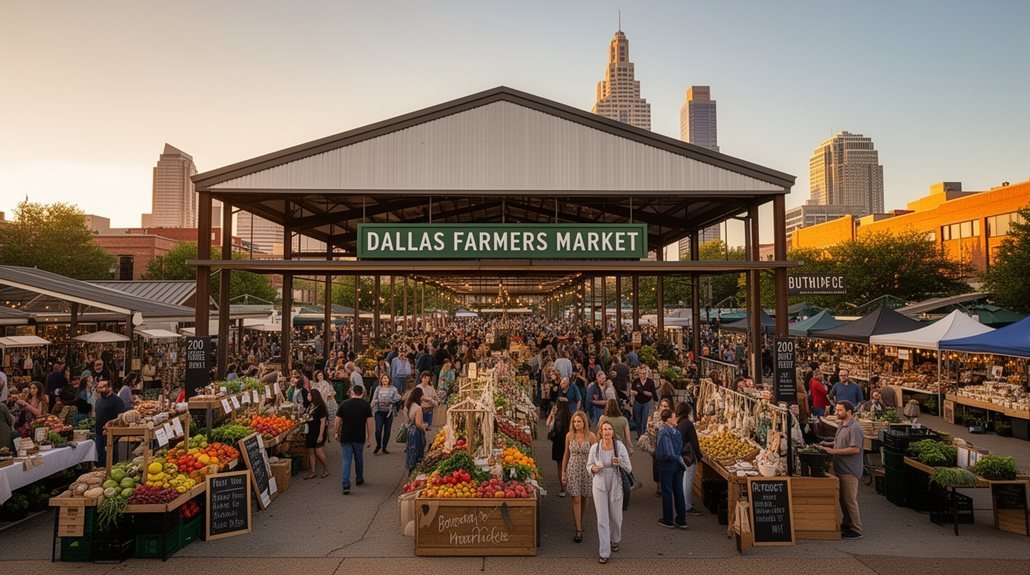
    Dallas Farmers Market isn’t a weekend pop-up. It’s a permanent complex in downtown Dallas near Deep Ellum, supporting over 200 small businesses and about 50 Texas farms.

    The customer base and vendor mix here are specific, and you need to understand both before you fill out an application.

    What Makes Dallas Farmers Market Different From Other Texas Markets

    When you’re sizing up Texas farmers markets, Dallas Farmers Market stands apart in a few concrete ways.

    It’s anchored in downtown Dallas, near Deep Ellum. That location gives you direct access to one of the largest urban populations in the state.

    The market supports over 200 small businesses and around 50 Texas farms and ranches. That scale means real foot traffic and a built-in customer base looking for local products.

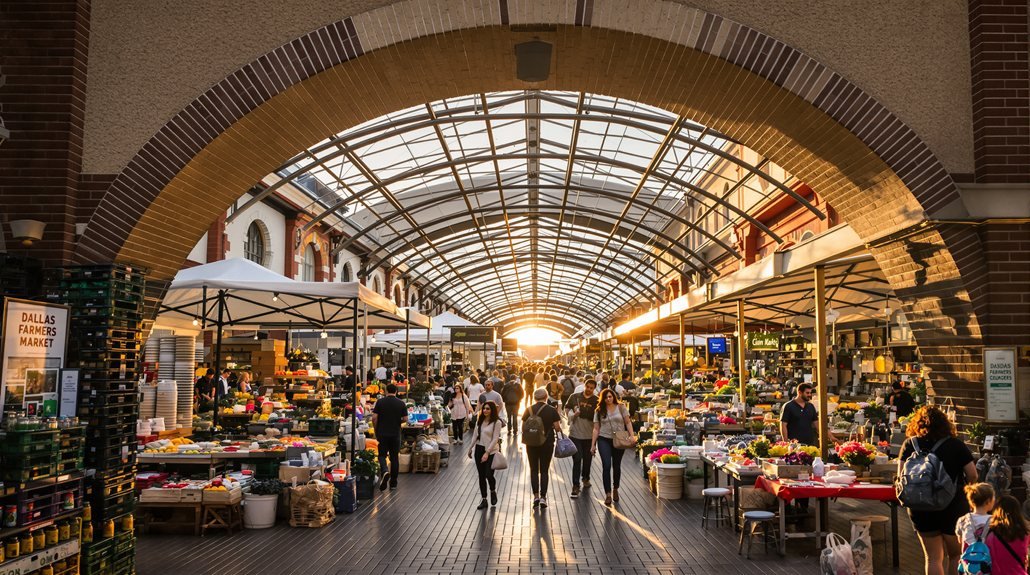
    The physical setup matters too. The Shed is a permanent covered structure. The weekend outdoor market runs alongside it. As a dallas farmers market vendor, you’re choosing between two distinct selling environments.

    Agricultural vendor applications are handled separately from retail business applications. Knowing which category you fall into before you apply saves you time.

    Who Shops There and What They Actually Buy

    Knowing the physical setup is one thing. Knowing who walks through the gate matters more for your dallas farmers market vendor application.

    Dallas draws urban professionals, families, and food-conscious buyers from surrounding neighborhoods like Deep Ellum and Uptown.

    Shopper type What they buy Spend pattern
    Urban professionals Specialty produce, microgreens High per-visit
    Young families Fresh vegetables, local goods Moderate, repeat
    Food-focused locals Unique ingredients, small-batch Selective, loyal

    These buyers look for products they can’t find at a grocery store. Microgreens fit that gap directly.

    Dr. Booker T. Whatley’s framework is simple: know your customer before you choose your market. Visit Dallas Farmers Market first. Watch what sells. Then apply.

    What does the vendor mix look like at Dallas Farmers Market?

    predominantly prepared foods and retail

    Dallas Farmers Market hosts more than 200 small businesses, and prepared foods and retail goods dominate the vendor floor.

    Specialty produce vendors are under-represented compared to those categories. That gap is where a microgreens grower has room to get in.

    Which categories are overrepresented at Dallas Farmers Market

    Most vendor spots at Dallas Farmers Market go to prepared foods, packaged goods, and retail businesses. That’s where the competition is thickest for any downtown Dallas farmers market vendor.

    The Shed hosts permanent small businesses year-round. Many of those spots are locked up by established retailers and food vendors who’ve been there for years.

    The weekend outdoor market adds more variety, but prepared foods still dominate. You’ll see baked goods, sauces, candles, and crafts before you see specialty produce.

    Out of 200-plus businesses at the market, only about 50 are Texas farms and ranches. Fresh produce vendors are already a smaller group. Specialty produce like microgreens is even more underrepresented.

    That gap is where your application has room.

    Where the gap is for specialty produce vendors

    Among the 50 or so Texas farms at the market, most grow staple crops. Think tomatoes, peppers, squash, and greens like kale or spinach.

    That’s the crowded lane.

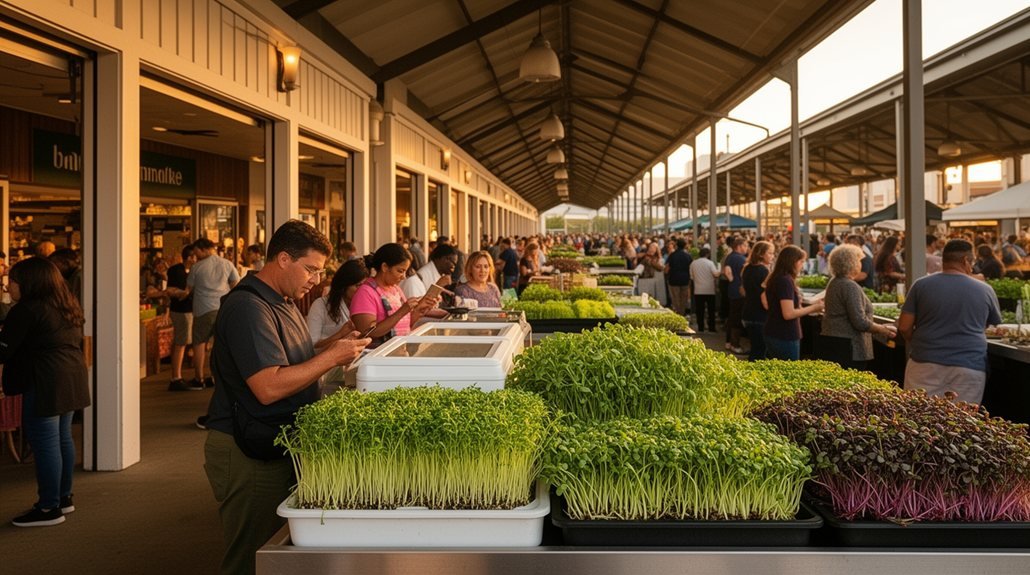
    Microgreens at Dallas Farmers Market sit in a different position. Very few vendors bring specialty produce like sunflower shoots, pea tendrils, or living trays of radish microgreens.

    Dr. Booker T. Whatley taught this directly. Know your customer before you choose your market. Walk Dallas Farmers Market as a buyer first. Watch what’s missing from the tables near The Shed.

    The gap is your application strategy. Specialty produce is under-represented. That’s not a problem. That’s your opening.

    What does the Dallas Farmers Market vendor application process involve?

    meet texas agricultural requirements

    Dallas Farmers Market separates agricultural vendor applications from retail business applications. If you’re selling microgreens, you fall under the agricultural track, and that comes with Texas state produce requirements you’ll need to meet before you submit anything. The selection process is competitive, so knowing exactly what the market wants from you before you apply saves time.

    What the market requires before you submit an application

    Before you touch the application, know that Dallas Farmers Market runs two separate vendor tracks. One is for agricultural vendors. The other is for retail businesses.

    If you’re selling microgreens, you fall under the agricultural track. That means you meet Texas state agricultural requirements before anything else.

    The dallas farmers market application process asks for documentation. Have your business structure, product list, and any required state permits ready before you open the form.

    The market supports around 50 Texas farms and ranches. They know what a farm operation looks like. Your application needs to match that picture clearly.

    Read the agricultural vendor requirements on their official site first. Don’t guess. Missing one requirement stalls your entire application.

    What the selection process looks like

    Once you submit, the market’s management team reviews your application against their current vendor mix. They’re checking whether your product fills a gap or duplicates what’s already there.

    Dallas market vendor requirements aren’t the only filter. Fit matters too. If three vendors already sell leafy greens, your microgreens application needs to show something different.

    Approval timelines vary. Budget two to four weeks for a response after submission.

    If you’re not selected, ask why. That answer tells you exactly what to fix before the next application cycle.

    Getting accepted means the market sees you as adding something the current 200-plus vendors don’t already cover. That’s the standard you’re writing toward.

    What do microgreens vendors specifically need to know about Dallas Farmers Market?

    high demand specialty microgreens market

    Dallas Farmers Market pulls from one of the largest urban populations in Texas. That customer base skews toward buyers who want specialty produce and are willing to pay for it.

    Microgreens fit that gap directly, and the vendor competition for specialty greens is thin compared to prepared foods.

    Why Dallas Farmers Market’s customer base is a strong match for specialty greens

    The market sits near Deep Ellum in downtown Dallas, pulling foot traffic from one of the densest urban populations in Texas. That customer base already knows what specialty produce is.

    Dallas shoppers at this market skew urban, food-aware, and willing to pay for quality. They’re not looking for the cheapest option. They’re looking for something they can’t get at a grocery store.

    Specialty produce at the Dallas market faces less vendor competition than prepared foods or retail goods. That gap is real. Microgreens fit directly into it.

    You’re not trying to break into a saturated space here. You’re filling a slot that most vendors aren’t touching.

    What sets successful vendors apart at Dallas Farmers Market

    Knowing the gap exists isn’t enough. You have to show up prepared to fill it.

    Vendors who succeed at Dallas Farmers Market The Shed bring consistency first. They’re there every week. Customers learn to find them.

    They also come with a clear product story. Microgreens are unfamiliar to some shoppers. You need a simple pitch ready before anyone asks.

    Packaging matters more than most new vendors expect. Clean labels, clear variety names, and professional trays signal that you’re serious.

    Volume matters too. Running out by 10 a.m. gets noticed. It tells the market you’re not ready to scale.

    Apply as an agricultural vendor, not a retail vendor. That’s the correct category for produce at this market. Getting that wrong delays everything.

    How do you find Dallas Farmers Market and locate other markets like it near you?

    search verified texas markets

    Dallas Farmers Market is one market. Texas has dozens more, and some may fit your product and schedule better.

    Employ the MGW Farmers Market Finder at markets.microgreensworld.com to search all verified Texas markets by zip code before you commit to an application.

    Using the MGW Market Finder to scout markets in Texas

    Before you apply anywhere, pull up the MGW Farmers Market Finder at markets.microgreensworld.com. It covers 7,842 USDA-verified markets across all 50 states.

    Search by zip code, city, or state. Dallas Farmers Market shows up fast.

    Use the tool to compare your options before you commit to a dallas farmers market 2026 vendor application.

    Search input What you find Why it matters
    Dallas, TX Dallas Farmers Market Confirm location and season
    75201 zip code Nearby weekend markets Spot backup options
    Texas statewide 100+ active markets Compare vendor competition

    Run the Texas statewide search. See where microgreens are missing. That gap tells you where you fit.

    What to look for before you apply to any Texas market

    Once you’ve compared markets in the MGW Farmers Market Finder, you need a short checklist before you apply anywhere.

    First, confirm the market accepts agricultural vendors. Dallas Farmers Market handles ag applications separately from retail.

    Check vendor fees and booth sizes. A 10×10 space at a busy downtown Dallas market costs more than one in a smaller suburb.

    Look at current vendor mix. If no one sells specialty produce, that’s your gap.

    Visit the market in person before applying. Watch what moves, who buys it, and when foot traffic peaks.

    Then apply with that data behind you. That’s how to get into Dallas Farmers Market with a real shot at approval.

    Frequently Asked Questions

    Does Dallas Farmers Market Allow Vendors to Sell at Multiple Stalls?

    Dallas Farmers Market doesn’t advertise multi-stall setups as standard. You’d need to confirm directly with market management, as space assignments depend on your vendor category, application approval, and what’s available when you apply.

    What Days and Hours Does Dallas Farmers Market Operate Each Week?

    You’ll find the outdoor market open Saturday and Sunday, 8 a.m. to 2 p.m. The Shed operates Monday through Sunday. Check the official Dallas Farmers Market site for current holiday hours before you plan your visit.

    Are There Income or Sales Volume Requirements to Apply as a Vendor?

    You don’t need to meet a sales volume or income threshold to apply. Dallas Farmers Market screens vendors on product type, compliance, and fit. Your numbers don’t qualify you. Your category does.

    Can Out-Of-State Growers Apply to Sell Produce at Dallas Farmers Market?

    You can apply, but Texas agricultural requirements apply to produce vendors. If you’re growing out of state, you’ll need to review those compliance rules before submitting.

    Does Dallas Farmers Market Offer Trial or Seasonal Vendor Spots?

    Dallas Farmers Market doesn’t advertise trial spots. You’ll apply for a standard agricultural vendor slot. Seasonal availability exists, but you’ll need to contact their market office directly to ask about current openings.