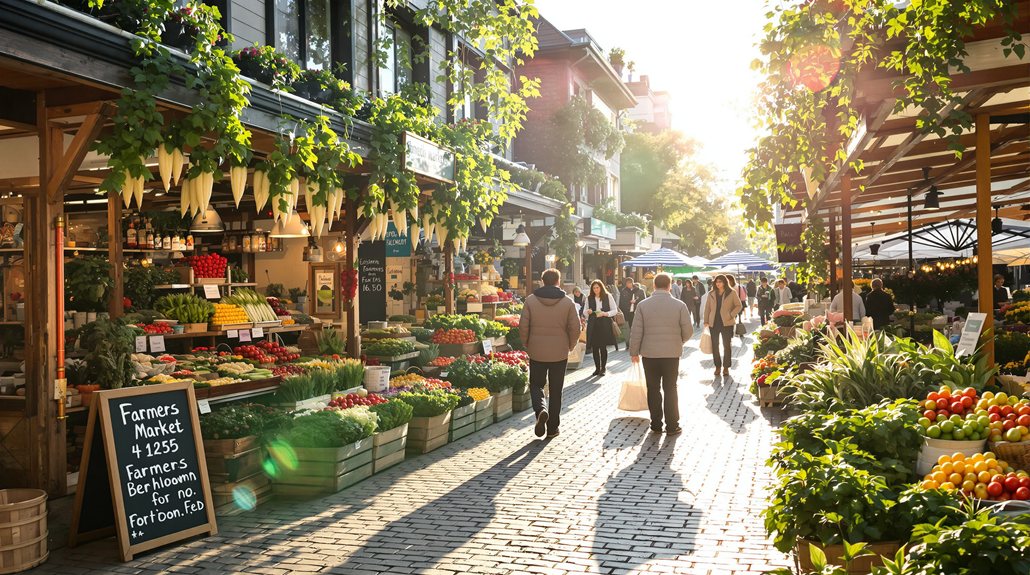
To get into a farmers market, apply between September and January for the following season. Have your business name, product list, proof of production, liability insurance, and vendor fee ready before you start. Lead your application with specific varieties like sunflower or pea shoots, not vague terms. If your target market is full, ask directly about fill-in slots or apply to a sister market first—there’s a faster path than the waitlist, and it starts with knowing exactly where to look.
Key Takeaways
- Apply between September and January, as most markets open applications during this window for the following season.
- Prepare six essentials before applying: business name, product list, proof of production, licenses, liability insurance, and vendor fee.
- Lead applications with specific variety names and weekly supply capacity rather than vague descriptions to stand out.
- If a market is full, directly ask the manager about fill-in vendor slots, which most applicants never request.
- Apply to affiliated sister markets first; acceptance there builds an internal track record supporting entry into your primary target market.
What should you know about farmers market vendor applications before you start?
Most farmers markets open applications between September and January for the following season. By the time spring arrives, the slots are already filled.
You’re not late to a process. You’re likely starting one cycle behind.
Why spring 2026 applications are more competitive than most vendors expect
Before you apply anywhere, know that spring 2026 slots are already gone at several major markets.
Baltimore Farmers Market closed applications on January 9. Knoxville Market Square is waitlist-only for agricultural vendors. Chicago’s 61st Street Farmers Market reported unprecedented interest this cycle.
These aren’t exceptions. This is the pattern across most major metro areas.
Most markets open applications between September and January for the following season. If you missed that window, you’re already behind.
The best farmers market application tips 2026 growers are passing around right now focus on timing and track record. Markets prioritize returning vendors first, then vendors from sister markets.
Microgreens are less saturated than baked goods or honey. That gap gives you a real edge if you apply to the right market at the right time.
What most markets require before they will consider your application
Nearly every market wants the same six things before they’ll even read your application.
Business name, product list, proof of production, applicable licenses, liability insurance, and a vendor fee. Have all six ready before you open any application portal.
Proof of production is where most new vendors get stuck. Producer-only markets require you to show you grew what you’re selling. Photos of your grow setup, a lease for your space, or a signed affidavit can work depending on the market.
Liability insurance trips up a lot of applicants too. Most markets require a $1 million general liability policy. You can get a basic policy through Farm Bureau or a specialty ag insurer.
Meeting farmers market vendor requirements upfront puts you ahead of applicants who show up unprepared.
How do you find farmers markets that are accepting new vendors?
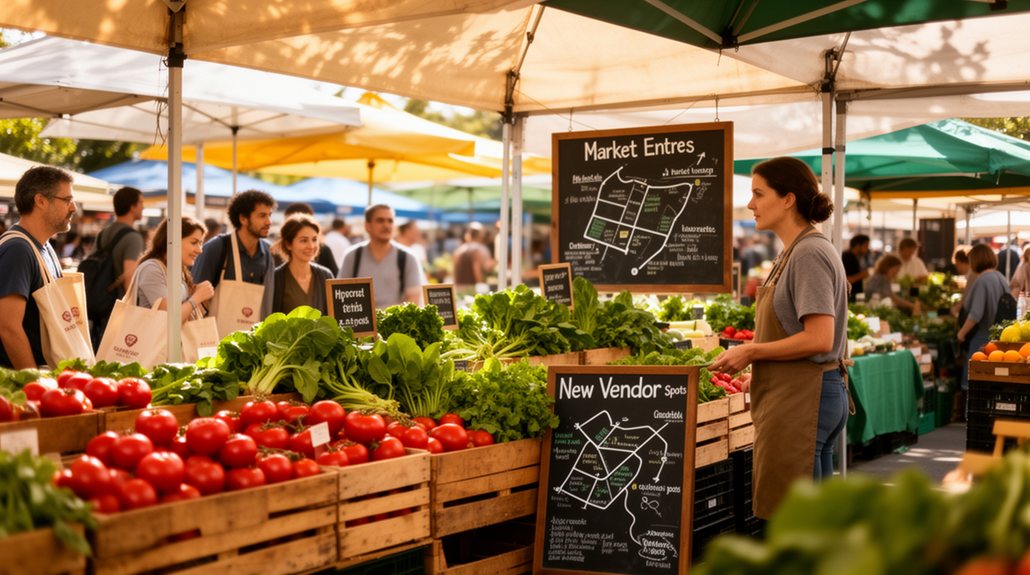
Finding a market that’s actually open to new vendors takes more than a Google search.
Most listings don’t show application status, deadlines, or whether a waitlist exists.
You need to know what to look for in a listing before you contact anyone, and you need a faster way to filter markets by location and status.
What to look for in a market listing before you contact anyone
Most market listings tell you what you need to know if you read them carefully. Check the vendor category section first. Microgreens usually fall under specialty produce.
| What to check | Why it matters |
|---|---|
| Vendor category | Confirms microgreens are accepted |
| Application status | Shows open, closed, or waitlist |
| Producer-only policy | Requires proof you grew it |
Look for language like “producer-only” or “grower-verified.” Those markets need documentation before they’ll accept you.
If the listing shows a waitlist, that’s still a real entry point. Markets pull from waitlists when vendors drop out.
Read the fee structure too. Some markets charge a flat rate. Others take a percentage of sales.
How to use the MGW Market Finder to identify open markets near you
Narrow your search before you waste time on dead ends.
The MGW farmers market finder covers 7,842 USDA-verified markets across all 50 states.
Search by zip code, city, or state. You’ll see market names, locations, and contact details in one place.
Filter results to your metro area first.
Then cross-check each listing against what you learned in the previous step about application windows and vendor categories.
Microgreens fall under specialty produce. That category has less competition than baked goods or honey at most markets.
Pull a short list of five to eight markets. Rank them by proximity and application status.
Then move to direct contact with each market manager.
What should you do before you fill out a single application?
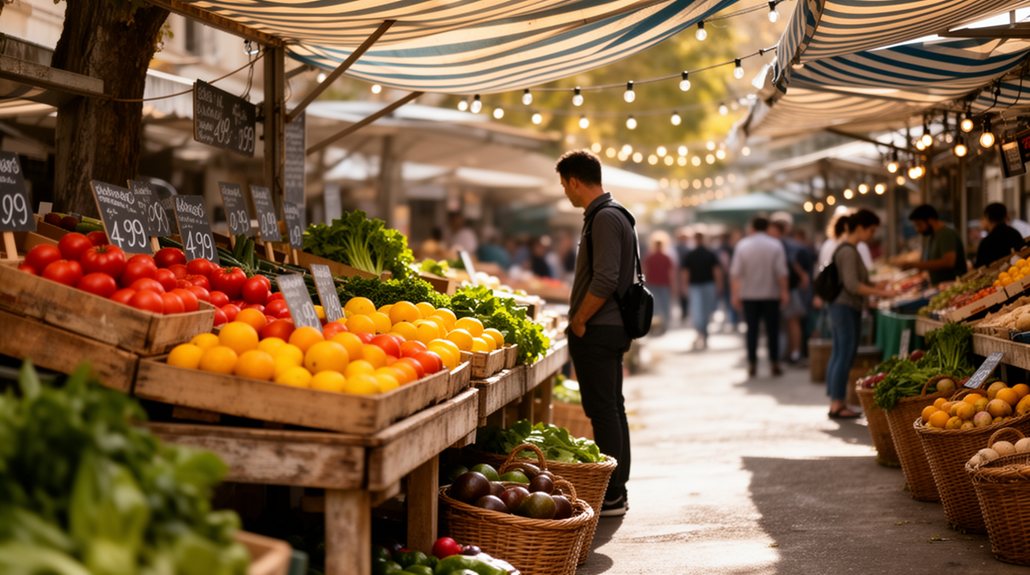
Most vendors fill out the application first. That’s the wrong order.
You need two things before you touch a form: a market visit and a gap in the vendor lineup you can fill.
Why visiting the market as a customer first changes your odds
Vendors who visit first almost always write stronger applications. Walking the market tells you what’s already there, who runs it, and where microgreens fit.
Count the produce vendors. Note any gaps in specialty greens. That gap is your entry point when you explain your product in the application.
Talk to the market manager if they’re available. Introduce yourself as someone interested in how to get into a farmers market as a vendor. Managers remember faces.
Watch how customers shop. See which booths draw lines and which don’t. That information shapes how you present your product and price point later.
Go at least twice before you apply. Once on opening day, once mid-season. You’ll write a sharper application because you actually know the market.
How to identify the specialty produce gap that is your application strategy
Specialty produce gaps don’t find you. You have to look for them deliberately before you fill out a single application.
Walk the market and write down every vendor category. Count how many sell baked goods, honey, or crafts. Then count specialty produce vendors.
That number is almost always lower. Microgreens specifically appear at fewer than one in five markets surveyed by USDA data.
Dr. Booker T. Whatley’s framework applies here. Know your customer before you choose your market. The farm serves the market, not the other way around.
Your specialty produce farmers market application gets stronger when you name the gap directly. Show the market manager what’s missing. That’s your entry point.
How do you write a farmers market vendor application that gets noticed?
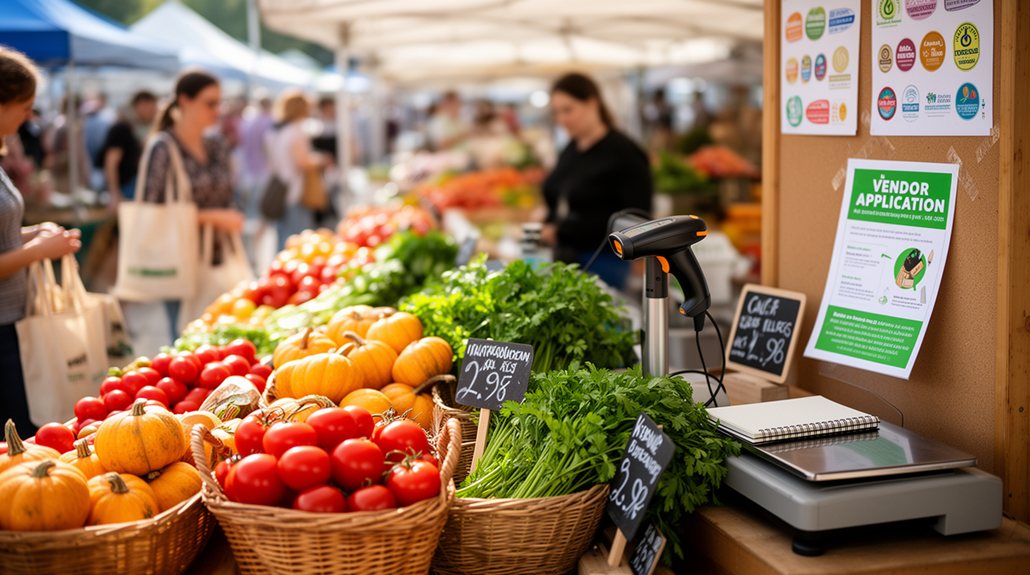
Most market managers read dozens of applications at once.
They’re looking for specific information, not your backstory.
Product details and production proof move you forward faster than personal narrative.
What market managers are actually looking for in new produce vendors
Market managers rarely have time to chase down incomplete farmers market vendor applications. If yours is missing a document, they move on.
They want proof you grew what you’re selling. That means photos of your grow space, your address, and a production log if you have one.
They also look for product fit. Microgreens fill a gap most markets have. Baked goods and honey slots fill fast. Produce vendors, especially specialty growers, get more consideration.
Your application needs a clean product list with variety names. Write “sunflower, pea shoot, radish” not “various microgreens.”
Show up as someone already part of the market community. Attend first. Talk to the manager before you apply.
Why product specificity beats personal story every time
Two sentences in your application matter more than any other. What you grow and how much of it you can bring each week.
Don’t open with your backstory. Open with your product list and your weekly volume.
Write it like this: “I grow 14 varieties of microgreens and can supply 80 to 120 units per market day.” That one line tells the manager you’re a serious microgreens farmers market vendor, not a hobbyist testing the water.
Managers skim dozens of applications. Specificity stops the scroll.
Name your top three varieties. Include a realistic unit count. Add whether you’re producer-only compliant.
Your story can live in a bio section. Keep it out of your lead. The numbers earn your spot.
What happens if the market you want is already full?
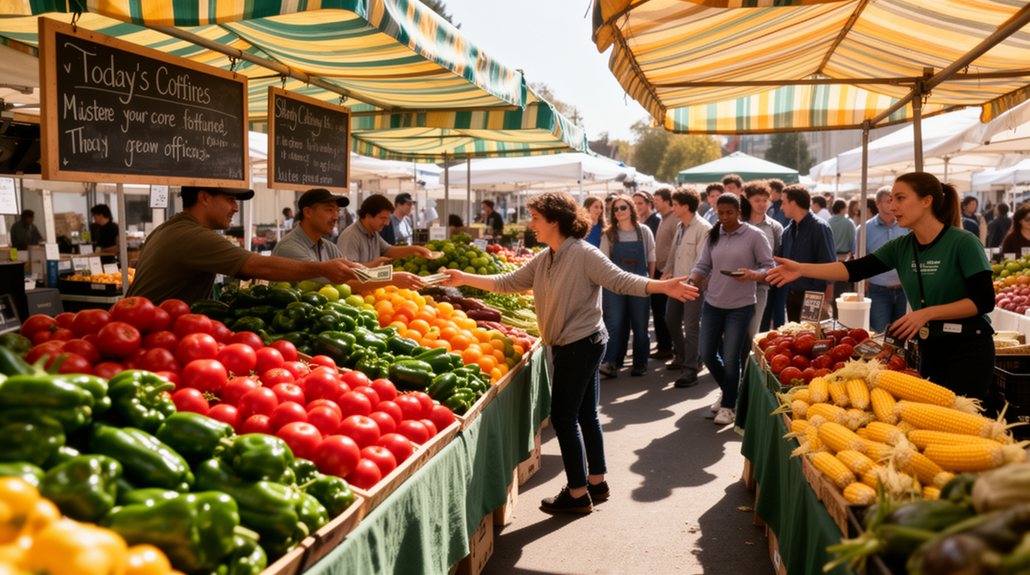
A full market isn’t a dead end.
Two paths move faster than sitting on a waitlist: the fill-in vendor slot and the sister market route.
Most applicants never ask about either one.
The fill-in vendor slot that most applicants never ask about
When a market tells you it’s full, most vendors accept that and move on. Don’t. Ask the market manager directly about fill-in or substitute vendor slots.
These slots open when a regular vendor cancels last minute. Managers need someone reliable on short notice. That someone can be you.
Email the manager and say you’re available for fill-in dates. Keep your setup fast and your product list ready.
| Action | What to say | Why it works |
|---|---|---|
| Email manager | “I’m available for fill-in dates” | Gets you on their radar |
| Stay ready | Have product and setup prepared | Managers call fast |
| Show up well | Arrive early, sell clean | Builds your track record |
Getting accepted at a farmers market often starts with one fill-in day.
The sister market path that is faster than the waitlist
Fill-in slots get you in the door, but they don’t guarantee a regular spot.
Many market organizations run more than one location. Nashville Farmers Market operates multiple sites across the metro. If you apply to a sister market and get accepted there, you build a track record inside that organization.
That track record matters. Nashville Richland Park requires vendors to already be active at a sister market before they can apply. You’re not waiting on luck. You’re earning your way in through a side door that exists for exactly this reason.
Search the market’s website for affiliated locations. Apply to a sister market with lower competition first. Get your name on their vendor list. Then employ that acceptance to move toward your primary target.
Frequently Asked Questions
Can You Sell at More Than One Farmers Market at the Same Time?
Yes, you can sell at more than one farmers market at the same time. Many vendors do it. It’s a smart way to build your customer base and test which markets perform best for you.
How Much Does a Typical Farmers Market Vendor Booth Cost per Week?
You’ll typically pay $25 to $50 per day at smaller markets. Larger urban markets run $50 to $150 weekly. Fees vary by booth size, location within the market, and seasonal structure.
Do You Need a Business License Before Applying to a Farmers Market?
You don’t always need one before applying, but most markets require proof before your first day. Check your state’s cottage food laws and your county clerk’s office first.
What Liability Insurance Amount Do Most Farmers Markets Require From Vendors?
Most markets require $1 million per occurrence and $2 million aggregate. You’ll list the market as an additional insured. Get a certificate of insurance before you apply.
Can You Share a Booth With Another Grower at a Farmers Market?
Yes, you can share a booth with another grower, but the market manager must approve it first. Check the rules before you commit. Some markets charge both vendors separately.
Leave a Reply