Tag: microgreens

  • The Microgreens Booth Strategy That’s Working at California’s #1 Farmers Market

    The Microgreens Booth Strategy That’s Working at California’s #1 Farmers Market

    At California’s #1 farmers market — Midtown in Sacramento — the vendors getting noticed aren’t just showing up. They’re applying to the right zone (Producers Plaza, the agricultural section), bringing photos that prove they’re actual growers, and running live demos with free samples to pull foot traffic. That combo signals “real grower” to both shoppers and market managers. Keep going and you’ll see exactly how to make it work for your booth.

    Key Takeaways

    • Apply to Producers Plaza, the agricultural vendor zone at Midtown Farmers Market, to signal grower status and improve application approval chances.
    • Submitting photos of trays, grow setups, and production process proves working grower status to market managers evaluating applications.
    • Selecting the wrong vendor category forces restarting the entire application process, reducing approval chances before booth evaluation begins.
    • Live cooking demos and free samples convert curious shoppers into repeat buyers faster than signage alone.
    • Treating the first season as an audition through consistent weekly presence moves vendors toward permanent spots and renewal priority.

    How Microgreens Vendors Are Standing Out at California Farmers Markets

    Most growers spend months figuring out how to grow a solid product and almost no time figuring out how to get noticed at a market. That’s the real problem.

    And if you’re thinking about California specifically, you need to understand that this isn’t a small-town Saturday hustle — you’re competing in a market ecosystem with over 800 active markets statewide, which means the bar for standing out is genuinely higher.

    The Problem Most Growers Hit Before They Even Get a Booth

    Getting approved as a vendor is where a lot of growers stall out.

    You grow great product. You show up ready. Then you hit the application and realize you don’t know which category you belong in.

    At a market like the Midtown Farmers Market Sacramento, the structure matters.

    There are zones for prepared food, artisan goods, and agricultural producers. As a microgreens vendor California growers need to land in the right one. That zone is Producers Plaza. Apply under the wrong category and your application likely gets passed over before anyone sees your trays.

    Most growers don’t know this distinction exists. That’s the real barrier. Not the competition. Not the pricing. Just not knowing where you fit before you apply.

    Why California Markets Are a Different Conversation

    California has over 800 farmers markets in the USDA database. That number matters if you’re a grower because it means you have real options — not just one shot.

    But volume alone isn’t the point. California farmers market vendor competition is intense. Buyers here are experienced. They’ve seen the same tired table setup dozens of times.

    Sacramento is a useful place to study what actually works. The sacramento farmers market microgreens scene isn’t theoretical. Homegrown Inc. is operating a booth right now at the Midtown Farmers Market — voted the number one market in California.

    They aren’t just showing up. They’re running demos and handing out samples.

    That difference is what separates vendors who build a customer base from vendors who pack up early.

    What Homegrown Inc. Is Doing Right at the Midtown Market
    applied demoed sampled converted

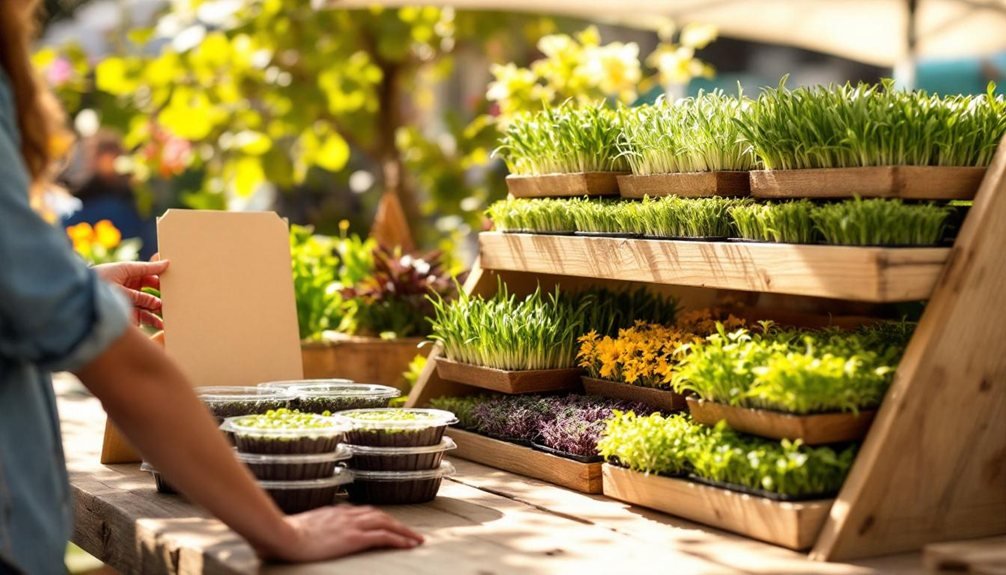
    Homegrown Inc. didn’t just set up a table and hope people would stop. They applied to the Producers Plaza, the agricultural zone at the Midtown Farmers Market, which is where growers belong, not the prepared foods section.

    And then they went further, running live cooking demos and handing out free samples, which is the kind of move that turns curious foot traffic into repeat customers.

    Selling in the Producers Plaza, Not the Prepared Foods Section

    When you apply to a market like the Midtown Farmers Market, the zone you apply for matters more than most growers realize.

    Homegrown Inc. microgreens operates in Producers Plaza Sacramento — the agricultural producer section. That placement is intentional. Producers Plaza is where growers belong, not the prepared foods area.

    The distinction affects how market managers evaluate your application and how customers perceive your booth. A microgreens vendor in a prepared foods zone looks like a snack seller. A microgreens vendor in Producers Plaza looks like a farmer. Those are two very different conversations with a customer.

    When you apply, be specific about what zone fits your operation. If you grow it, you belong in the producer section. Apply accordingly.

    Why Demos and Free Samples Change the Game for Vendors

    Getting your placement right is only half the battle.

    Homegrown Inc. ran a live cooking demo at the Midtown Farmers Market in March 2026 and handed out free microgreens samples. That one move does more for your booth than any sign or banner ever will.

    Here is why it works. Most shoppers at a market that size have never eaten microgreens off the stem. They don’t know what to do with them. A demo answers that question before they even have to ask it.

    If you’re figuring out how to sell microgreens california markets reward vendors who teach as they sell. Free samples pull people in. A short demo keeps them there. That combination turns first-time visitors into repeat buyers faster than anything else you can try.

    How to Position Your Microgreens Booth to Get Noticed

    standout professional engaging market presence

    Getting into a market is one thing. Getting asked back — and eventually getting a permanent spot — is something most growers never think about when they’re filling out the application.

    Market managers aren’t just looking for a product that fits; they’re watching how you show up, how you engage shoppers, and whether your booth makes their market look good. If you treat your first season like an audition, you’ll approach every Saturday differently than if you’re just trying to move trays.

    What Market Managers Actually Look For

    Most market managers aren’t thinking about you. They’re thinking about foot traffic, vendor mix, and whether their producers section looks alive on a Saturday morning. Your job is to give them a reason to say yes before you even show up.

    What gets attention is pretty simple. Show that you’re a working grower. Bring proof — photos of your setup, your trays, your process. Market managers in producer zones like Producers Plaza want actual farmers. Not resellers. Not hobbyists.

    They also notice consistency. Vendors who show up every week, engage shoppers, and run activations like demos or sampling move to the top of the renewal list fast.

    You don’t need to be perfect. You need to look like someone who takes this seriously.

    The Difference Between Getting In and Getting Asked Back

    There’s a big gap between getting approved as a vendor and actually building something at a market. Approval gets you a spot. What happens after that determines whether you’re back next season.

    Market managers watch how vendors perform. Are customers stopping? Are people coming back week after week asking for you specifically? That’s what gets you renewed and eventually moved to better placement.

    Homegrown Inc. didn’t just show up with bags of microgreens. They ran live cooking demos and handed out free samples. That kind of activation builds a customer base fast.

    You don’t need a big budget to do this. You need a reason for someone to stop walking. Give them one. That’s the difference between a vendor who lasts and one who quietly disappears.

    The Midtown Farmers Market: What Vendors Need to Know
    midtown sacramento saturday market

    If you’re thinking about applying to the Midtown Farmers Market, you need to know what you’re walking into.

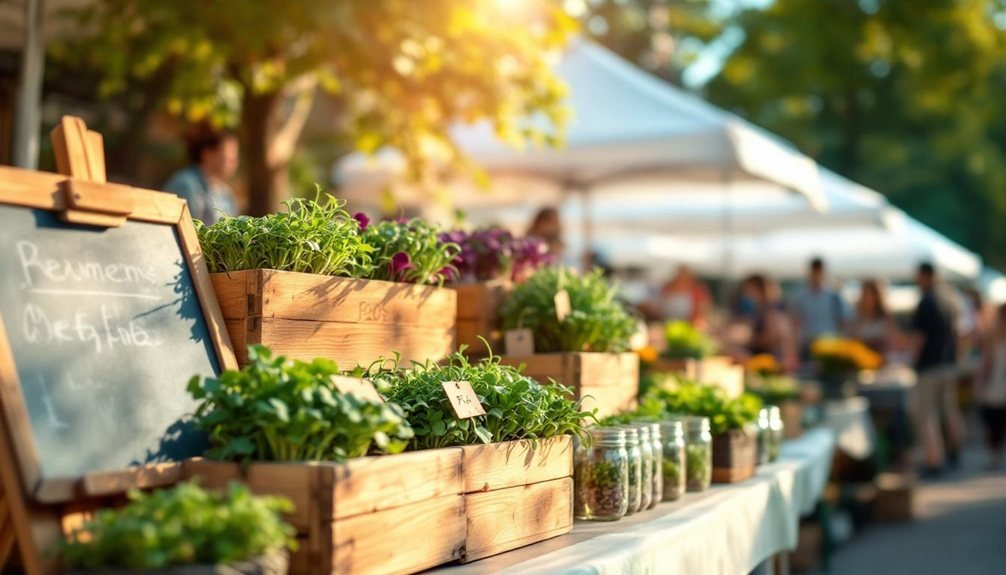
    This market runs every Saturday year-round at 20th and K Street in Sacramento, it covers six city blocks with over 200 vendors, and it’s been voted the number one farmers market in California.

    Vendor applications are open through the Midtown Association at exploremidtown.org/vendors/, so the door isn’t closed — but knowing which zone to apply for matters more than most growers realize.

    Market Basics and Application Info

    Getting a booth at the Midtown Farmers Market isn’t a casual process. This is a year-round market, every Saturday, rain or shine, at 20th and K Street in Sacramento. Spring and summer hours run 8 a.m. to 1 p.m. Over 200 vendors spread across 6 city blocks. It’s the #1 ranked farmers market in California and #3 in the country.

    That reputation means competition is real.

    The market is managed by the Midtown Association. Vendor applications are open, and you can find everything you need at exploremidtown.org/vendors/. If you’re a grower, you’re applying specifically for Producers Plaza. That’s the agricultural section. Not the artisan zone. Not the food prep zone. Producers Plaza is where you belong, and applying to the right section matters.

    What the Producers Plaza Looks Like for Agricultural Vendors

    Producers Plaza is the agricultural section of the Midtown Farmers Market, and it’s where you’ll find growers selling crops they actually grew themselves. This isn’t the artisan section. Not the prepared food zone. If you’re growing microgreens and you want to apply, this is your section.

    Homegrown Inc. operates here. A Black-owned family farm out of Sacramento selling microgreens they grew. That distinction matters because market managers slot vendors into zones based on what you’re selling and how you produced it. Apply for the wrong zone and you’re starting from scratch.

    Producers Plaza signals to customers that what’s on the table came from someone’s grow operation. For microgreens that’s actually a selling point. Own it when you apply.

    Finding Your California Market to Start or Expand

    filter california farmers markets geographically

    California has over 800 farmers markets in the USDA database, which sounds like good news until you realize most growers have no idea where to start looking. That number becomes useful only when you can filter it by location and market type.

    The MGW Farmers Market Finder at markets.microgreensworld.com pulls directly from USDA data so you can search California markets near you.

    What to Look For Why It Matters for Microgreens Specifically
    Producers Plaza or agricultural vendor zone Placement here signals grower, not reseller — affects how managers and customers see you
    Year-round schedule Microgreens have short shelf life — consistent weekly markets beat seasonal ones
    Open vendor applications Top California markets like Midtown run waitlists — apply before you’re ready
    Foot traffic over 1,000 weekly Sampling works better at high-traffic markets — demos need an audience
    Dedicated produce section on the market map If there’s no producer zone, you may end up alongside candles and crafts

    Start with markets that have a dedicated producers section. That’s your lane as a grower.

    Frequently Asked Questions

    Do Microgreens Vendors Need a Cottage Food License to Sell at Markets?

    No, you don’t need a cottage food license to sell microgreens at farmers markets. They’re classified as whole produce, not processed food, so a standard agricultural handler’s permit typically covers you.

    How Much Does It Typically Cost to Rent a Farmers Market Booth?

    Booth fees vary widely, but you’ll typically pay $25 to $150 per market day, depending on the market’s size, location, and prestige. California’s top-tier markets often run higher than smaller community markets.

    Can You Sell Microgreens at Multiple California Markets Simultaneously?

    Yes, you can sell at multiple California markets simultaneously. Many growers stack weekday and weekend markets across nearby cities to maximize harvest cycles and build a consistent customer base without overextending production.

    What Equipment Do You Actually Need for a Microgreens Market Booth?

    You need a folding table, canopy, tablecloth, display trays, small scissors for sampling, a cash box or card reader, and signage. Keep it minimal until you know what sells.

    How Long Does the Typical Farmers Market Vendor Application Process Take?

    Most markets take two to eight weeks to process your application. Competitive ones like Midtown can run longer, so apply early, follow up politely, and don’t wait until you’re ready to sell.

    Ready to Find Your California Market?

    Homegrown Inc. figured out the right zone, showed up with demos and samples, and built a presence at the #1 market in California. That playbook works whether you’re in Sacramento or San Diego.

    California has over 800 markets in the USDA database. The MGW Farmers Market Finder pulls that data and lets you search by location so you can find producer-friendly markets near you before you apply.
    I Want to Find Markets Near Me.

  • Farmers Markets in California for Microgreens Vendors

    Farmers Markets in California for Microgreens Vendors

    California’s 827 USDA-listed farmers markets offer microgreens vendors an exceptionally dense, year-round sales landscape, with major concentrations in Los Angeles, San Francisco, and San Diego serving health-conscious, food-literate buyers. Coastal markets move sunflower, pea shoots, and radish consistently, while inland venues reward broader variety and strong visual presentation. Evaluating foot traffic, booth fees, and competing vendors before applying significantly improves your placement odds. The sections ahead break down exactly what you’ll need to succeed.

    Key Takeaways

    • California has 827 USDA-listed farmers markets, offering microgreens vendors one of the densest vendor opportunity landscapes in the country.
    • Most California metropolitan markets operate year-round, enabling vendors to build consistent customer relationships and refine booth operations continuously.
    • Top-selling microgreens vary by region: radish and sunflower lead in San Francisco, while broccoli and cilantro dominate Los Angeles.
    • Use the MGW Market Finder at markets.microgreensworld.com to filter all 827 California markets by location and vendor openings.
    • Successful applications require complete documentation, including cottage food permits, business licenses, liability insurance, and professional product photos.

    Farmers Markets in California for Microgreens Vendors

    California’s 827 USDA-listed farmers markets represent one of the densest vendor opportunity landscapes in the country, with major concentrations in Los Angeles, San Francisco, and San Diego that sustain consistent foot traffic across demographic segments favorable to specialty produce.

    Unlike most states where market seasons contract sharply in winter, California’s predominantly year-round calendar means you’re not planning around a short selling window but rather building a sustainable weekly presence across all four quarters.

    That structural difference matters when you’re deciding whether to invest in booth infrastructure, packaging systems, and the operational rhythm that distinguishes vendors who last from those who don’t.

    Why California Markets Are Worth Your Attention

    If you’re growing microgreens at scale and looking for a market presence worth building around, California is one of the more compelling places to do it. The state lists approximately 827 farmers markets in the USDA database, which means your odds of finding a viable slot improve considerably compared to smaller states.

    A microgreens farmers market presence here benefits from year-round operating calendars, so you’re not rebuilding customer relationships every spring. The Los Angeles farmers market ecosystem alone spans multiple districts, demographics, and price points, giving you real flexibility when you’re selecting a fit for your product positioning.

    California’s culinary culture also generates consistent demand from chefs, health-focused households, and food-literate shoppers who already understand what they’re buying.

    What the California Market Season Looks Like

    One advantage that compounds everything discussed about California’s market density is that the selling calendar doesn’t reset on you. Unlike growers in seasonal climates who lose four to six months of revenue each year, a microgreens vendor in California can sustain consistent market participation across all twelve months.

    Farmers markets in California operate year-round in most metropolitan corridors, including Los Angeles, San Diego, and the Bay Area, meaning your production schedule never needs a full pause. This continuity matters operationally, because you can hone your variety mix, customer relationships, and booth presentation without the interruption of a seasonal gap. As a microgreens vendor in California, you’re working within a structure that rewards ongoing commitment rather than compressed seasonal sprints.

    How to Find the Right Market in California

    match markets to capacity

    Before you submit a single application, you need to evaluate each market against your production capacity, your pricing structure, and the competitive density of vendors already selling fresh greens.

    Los Angeles County alone contains dozens of active markets, ranging from the high-traffic Santa Monica Wednesday market to smaller neighborhood operations in Pasadena and Long Beach, each drawing a distinct customer base with different purchasing behaviors.

    San Francisco and San Diego present comparably stratified landscapes, where Ferry Plaza commands premium positioning but demands proven sales history, while markets in Mission Hills or North Park offer more accessible entry points for vendors establishing their first consistent revenue cycle.

    What to Look for Before You Apply

    Choosing the right market before you apply is one of the most consequential decisions you’ll make as a microgreens vendor in California, and it shapes nearly everything that follows. As a farmers market vendor California, you need to evaluate foot traffic patterns, customer demographics, and competing produce vendors before committing an application fee.

    Visit the market on a peak day, observe whether shoppers engage with specialty greens, and note whether a microgreens booth farmers market presence already exists. Saturated markets rarely accommodate a second microgreens vendor profitably. Assess booth fees relative to realistic sales volume for that specific location.

    A Thursday afternoon market in a suburban neighborhood operates very differently from a Saturday morning market near a dense urban corridor, and those differences directly affect your sell-through rate.

    Markets Near Los Angeles

    Within the Los Angeles metropolitan area, you’re working with one of the densest concentrations of farmers markets in the entire country, and that density cuts both ways. Competition is real, but so is throughput. When you sell microgreens at farmers market locations across LA County, you’re accessing consumer bases with genuine familiarity with specialty produce.

    The Santa Monica Wednesday market, for instance, draws regulars who already understand what sunflower shoots are. That baseline knowledge accelerates your sales conversations considerably. A los angeles farmers market in an underserved neighborhood, however, may require more education but face less microgreens competition.

    Neither scenario is inherently superior. Your production volume, travel radius, and booth budget determine which environments you can actually sustain week after week.

    Markets Near San Francisco and San Diego

    San Francisco and San Diego operate as structurally distinct markets, and understanding that distinction matters before you commit time and application fees to either region.

    The san francisco farmers market network skews toward year-round, high-volume venues like the Ferry Plaza, where vendor competition is dense and application cycles are formalized. You’ll need documentation, product photos, and often a waiting period.

    The san diego farmers market landscape is comparably active but more geographically distributed, with markets spreading across neighborhoods like Hillcrest, Little Italy, and Pacific Beach. That distribution actually creates more entry points for newer vendors.

    Each region rewards preparation differently, so research specific market managers before applying. Employ the free Market Finder at markets.microgreensworld.com to locate verified California markets matching your production capacity and target geography.

    What to Expect When You Get There

    booth fees and crop selection

    Once you’ve identified a viable California market and submitted your vendor application, the operational realities of booth participation will require immediate attention, particularly regarding fee structures and product positioning.

    Booth fees across California markets vary considerably, ranging from modest daily rates at smaller community markets to weekly fees exceeding $100 at high-traffic urban venues in Los Angeles or San Francisco, with some markets additionally charging a percentage of gross sales.

    Understanding which microgreens varieties move consistently at California markets, specifically sunflower, pea shoots, and radish, positions you to allocate tray space strategically before your first setup day.

    Booth Fees and Setup Basics

    Booth fees at California farmers markets typically range from $25 to $150 per market day, though that spread reflects meaningful structural differences across market types, locations, and management organizations. A certified farmers market in a high-traffic coastal corridor charges differently than a neighborhood market in the Central Valley.

    Before submitting your farmers market vendor application, confirm whether fees are flat-rate or percentage-based, since some markets take 6 to 10 percent of gross sales instead. Your setup requirements for microgreens for sale california markets generally include a 10×10 canopy, weighted anchors, a display table, and signage showing your farm name.

    Some markets mandate specific tablecloth colors or banner dimensions, so request the vendor handbook early and review it carefully before your first setup day.

    What Moves at California Markets

    California’s farmers market landscape rewards growers who understand regional demand before they load the van. Coastal markets in San Francisco and Los Angeles consistently pull health-conscious buyers who recognize microgreens and purchase without hesitation. Inland markets require more variety, particularly sunflower and pea shoots, which carry visual weight on a table.

    Market Region Top-Moving Varieties Buyer Behavior
    San Francisco Bay Area Radish, sunflower, pea shoots High-frequency repeat buyers
    Los Angeles Basin Broccoli, amaranth, cilantro Cuisine-driven purchasing
    San Diego County Sunflower, basil, arugula Health and restaurant buyers

    Knowing farmers markets california microgreens demand by region helps you decide how to get a farmers market booth positioned competitively, before your first setup day arrives.

    Getting Your Application Ready

    operational readiness through documentation

    Your application is the first substantive evidence a market manager reviews when evaluating whether your business belongs in their vendor mix, so the document you submit needs to reflect operational readiness, not aspiration.

    Most California market managers specifically assess compliance documentation, product scope, and pricing structure, because these three indicators collectively signal whether a vendor will perform consistently across a season.

    Applicants who submit incomplete cottage food permits, missing liability certificates, or vague product descriptions are routinely passed over, even when their microgreens are otherwise competitive.

    What Market Managers Want to See

    Getting approved as a vendor at a California farmers market starts well before you fill out an application, because market managers are evaluating your operation as much as they’re evaluating your product. They want confirmation that your microgreens business is structured, compliant, and sustainable, not just that you grew a beautiful tray of sunflower shoots.

    Expect requests for your Cottage Food registration or commercial kitchen documentation, your business license, and proof of liability insurance. When selling microgreens locally, managers also assess your display consistency and whether you can commit to regular attendance. Missing dates upsets their vendor lineup and frustrates repeat customers.

    Come prepared with photos of your setup, a clear crop list, and documentation that demonstrates you’ve already solved the operational problems most new vendors haven’t considered yet.

    Common Mistakes to Avoid

    Most application rejections aren’t random, and they’re rarely about product quality. The more common failure points are procedural, and they’re largely preventable.

    Submitting incomplete documentation is the most frequent disqualifier, particularly missing liability certificates or unsigned agreements.

    When you’re positioning your microgreens market stand, vague product descriptions undermine your application, because managers need to understand exactly what local microgreens california shoppers will encounter at your booth.

    Applying to markets outside your certified kitchen’s jurisdictional coverage is another costly oversight that signals inexperience.

    Many vendors also misjudge timing, submitting applications months after waitlists have closed.

    Review each market’s requirements independently, since California’s 827-plus markets operate under varying rules, and assumptions borrowed from one application rarely transfer cleanly to the next.

    california farmers markets tool

    Tracking down viable farmers markets in California without a structured tool can eat up hours you’d be better spending in the grow room. The MGW Market Finder at markets.microgreensworld.com pulls from USDA data covering all 827 California markets, letting you filter by location instead of manually cross-referencing county websites and scattered directories.

    As a microgreens grower in California, you’re operating in a state with concentrated demand in Los Angeles, San Diego, and San Francisco, where knowing how to sell microgreens starts with identifying which markets actually have vendor openings. The tool shortcuts the research phase considerably, compressing what might take days into a focused session.

    Employ it to build your target list, then redirect your energy toward outreach and application. Start your search at markets.microgreensworld.com.

    Frequently Asked Questions

    Can I Sell Microgreens at Multiple California Markets Simultaneously?

    You can absolutely sell at multiple California markets simultaneously. Many growers run two or three markets weekly. Just confirm each market’s exclusivity rules first, since some prohibit vendors from selling at competing nearby markets.

    Do California Farmers Markets Require Proof of Commercial Kitchen Use?

    Most don’t, but some do. You’ll need to verify with each market directly, since requirements vary by county health department and individual market management policies.

    How Do California Cottage Food Laws Affect Microgreens Vendor Permits?

    California’s Cottage Food Law doesn’t cover microgreens because they’re a fresh produce item, not a processed food. You’ll bypass that pathway entirely and work directly through your county agricultural commissioner for a certified producer’s certificate.

    Are There California Markets That Specifically Recruit Specialty Produce Vendors?

    Yes, many California markets actively recruit specialty produce vendors, especially those running year-round. You’ll find them faster by filtering with the MGW Market Finder at markets.microgreensworld.com.

    What Happens if a California Market Cancels Due to Weather or Events?

    When a California market cancels, you’re typically not refunded your fee. Keep your vendor agreement handy since it spells out the policy. Some markets offer credit toward future dates, but don’t count on it.

    Wrap-up

    California’s farmers market network is one of the most accessible entry points for microgreens vendors who’ve already built reliable production capacity. You’ve got the supply side covered, so now it’s about matching your output to the right venue, customer demographic, and seasonal schedule. Employ the MGW Farmers Market Finder to identify available spots, cross-reference application requirements, and start building the consistent market presence that converts occasional buyers into returning customers.