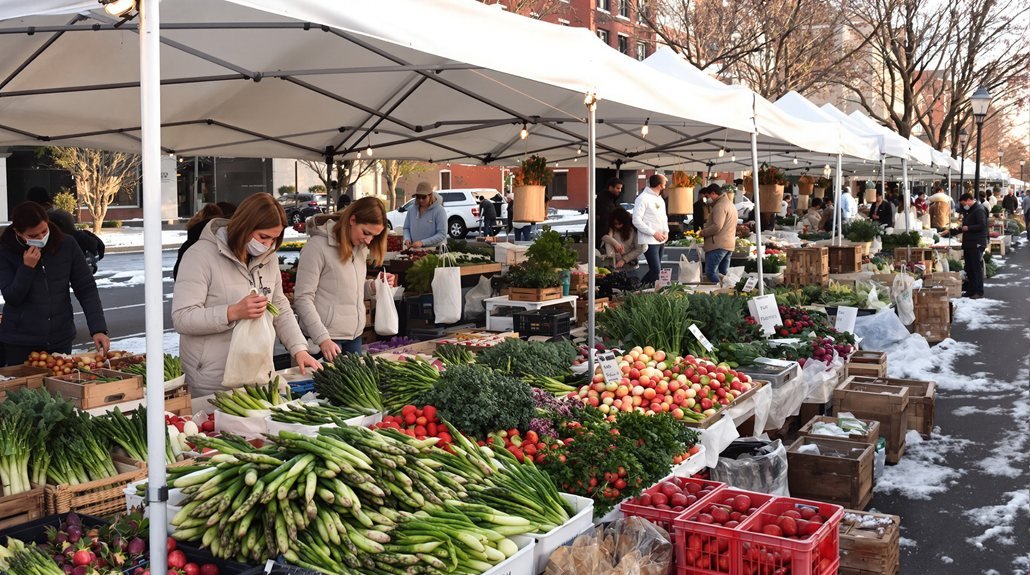
Farmers markets in the South and Southeast often open as early as February. Midwest markets typically start in April or May. Most Northeast markets don’t open until late May or early June. These windows shift year to year based on weather, permits, and vendor readiness. Your region determines how much of the spring selling season you actually get. Stick around and you’ll know exactly how to find your local market’s 2026 dates before they’re gone.
Key Takeaways
- Southern states like Florida, Georgia, and Texas often open as early as February or run year-round markets continuously through spring.
- Pacific Northwest markets typically begin in March, while Midwest markets in Illinois, Ohio, and Michigan open in April or May.
- Northeast markets in New York, Massachusetts, and Connecticut generally open later, from late May through early June.
- Local frost dates and growing season availability are the primary factors determining when specific markets open each spring.
- Exact 2026 dates shift year to year; verify opening dates using the MGW Farmers Market Finder at markets.microgreensworld.com.
When Do Farmers Markets Open in Spring? Here’s What 2026 Season Dates Look Like by Region
Your region controls your market’s opening date more than anything else.
A grower in Florida might be setting up a booth in February while someone in New York is still waiting on May.
Climate, local growing seasons, and municipal permit schedules all push that first market day earlier or later depending on where you live.
What Controls When a Farmers Market Opens Each Year
Spring farmers market season doesn’t start on the same date everywhere, and that gap can span months depending on where you live. Three things drive when do farmers markets open: weather, permit timing, and vendor readiness. A market manager won’t open until enough vendors can show up with product. You’re part of that equation too. Low early-season demand pushes some markets to delay.
| Factor | What it means | Who it affects |
|---|---|---|
| Weather | Frost dates limit what vendors can grow | Growers and buyers |
| Permits | Local government approval sets the floor | Market managers |
| Vendor sign-ups | Low applications delay opening | Everyone in the community |
How Climate and Region Set the Opening Day Calendar
Where you live decides more about your farmers market calendar than anything else. Climate drives the farmers market season start date more than any policy or tradition does. In warm southern states like Florida, Georgia, and Texas, markets often run year-round or open as early as February. That’s because local crops are already coming in.
Move north and the timeline shifts. The Northeast doesn’t usually open until May or June. The Midwest lands somewhere in between, with April and May being typical. The Pacific Northwest starts as early as March in some spots.
Your community’s market reflects what’s actually growing nearby. When local growers have product ready, the market opens. It’s that direct.
When Do Farmers Markets Open in the South and Southeast?

If you’re in Florida, Georgia, or Texas, you don’t have to wait for spring to find an open market.
Most markets in these states run year-round or restart as early as February.
For vendors, that’s good news and a warning: competition for booth space starts months before the rest of the country even thinks about applying.
Florida, Georgia, and Texas: Markets That Run Year-Round
Across the South and Southeast, farmers markets don’t follow the same seasonal rules as the rest of the country. Florida, Georgia, and Texas are the exception to almost everything you’ve read about farmers markets open in spring.
Many of these markets run every single week, year-round. No waiting until May. No checking if they’ve reopened yet.
If you’re a shopper, that means you’re already in. If you’re a grower looking for a vendor booth, that also means competition doesn’t pause.
Applications at year-round markets can close anytime. You’re not waiting for a spring window. You’re competing against vendors who never left.
The community at these markets stays consistent. Same faces. Same regulars. That’s worth knowing before you show up.
What Spring Means for Vendors in Warm-Climate States
Spring in the South doesn’t hit the reset button the way it does up north. If you’re a vendor in Florida, Georgia, or Texas, the farmers market spring opening isn’t a starting gun. It’s more of a continuation.
That means the competition for booth spots is already underway before most northern growers even pull out their seed trays. Markets that run year-round fill available vendor slots in late winter. If you wait until March to apply, you’re likely already late.
The upside? You’re selling into a crowd that shows up every week. These aren’t seasonal browsers. They’re regulars. Getting into one of these markets is harder, but keeping your spot feels a lot more like belonging somewhere.
When Do Farmers Markets Open in the Northeast and Midwest?

If you’re in the Northeast, expect a later start than most of the country. New York, Massachusetts, and Connecticut markets typically don’t open until May or June. Midwest markets in Illinois, Ohio, and Michigan tend to beat them by a few weeks, with many opening in April or early May.
New York, Massachusetts, and the Late-May Pattern
The Northeast runs late. If you’re wondering when do farmers markets open in spring around New York or Massachusetts, expect late May or early June. That’s not a flaw in the system. It’s just how the growing season works up north.
| State | Typical opening window |
|---|---|
| New York | Late May to early June |
| Massachusetts | Late May to early June |
| Connecticut | Late May |
| Rhode Island | Early June |
You’re not missing out if your local market hasn’t opened yet in April. Everyone in your region is in the same boat. The community shows up together when the time is right. Check your specific market’s dates at markets.microgreensworld.com before you make the drive.
Midwest Markets: April and May Across Illinois, Ohio, and Michigan
Move west from the Northeast, and the calendar shifts earlier. Illinois, Ohio, and Michigan markets tend to open in April or May, which gives you a real head start on the farmers market season calendar compared to New York or Massachusetts.
Chicago’s bigger markets often launch in early May. Smaller Ohio and Michigan towns sometimes get going in April if the weather cooperates.
If you’re a grower looking for a booth, that earlier window matters. You get more time to build a customer base before summer crowds arrive. And if you’re a shopper, you’re not waiting as long.
Check your specific market using the MGW Farmers Market Finder at markets.microgreensworld.com — dates vary more than you’d think at the local level.
How Do You Find Out When Your Local Market Opens?
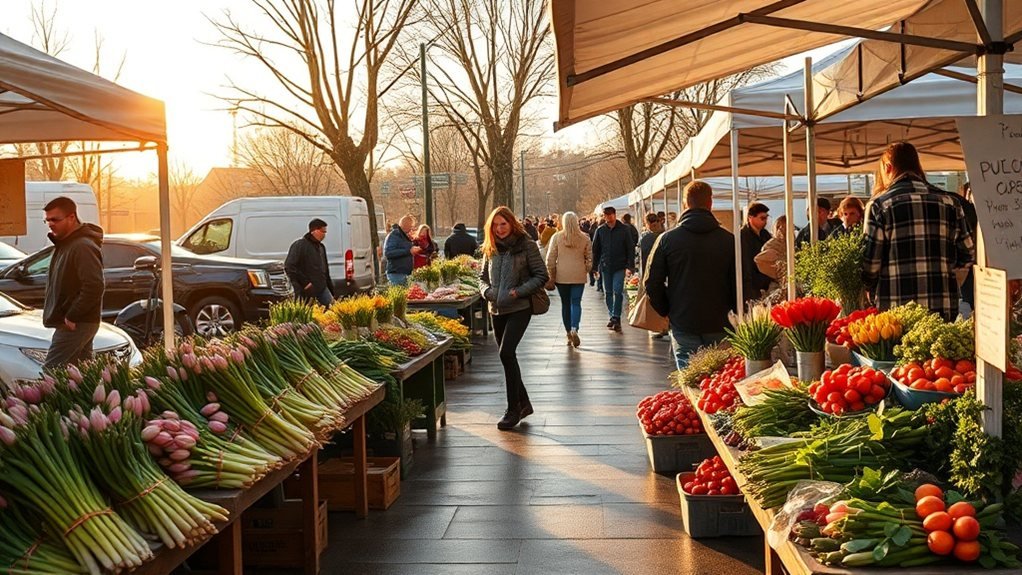
Opening dates shift year to year because markets depend on permit renewals, venue availability, and how many vendors sign up.
A market that opened in April last year might push to May if the host location changes or the organizer needs more time.
Employ the MGW Farmers Market Finder at markets.microgreensworld.com to search by zip code and pull up current season dates for markets near you.
Why Opening Dates Shift From Year to Year
Even if a market ran every Saturday last spring, that doesn’t mean it’ll open on the same date this year. Farmers’ market opening day 2026 depends on factors that change annually. Permit renewals take longer in some years. Market managers leave, and new ones reset the calendar. Budgets get cut and seasons shorten. A venue that hosted a market for a decade can lose its lease.
Weather plays a role, too. A cold snap in April pushes an opening back. A mild February pulls one forward.
You’re part of a community that moves with these changes. The market you love isn’t static. Neither is the season. Checking current dates rather than assuming last year’s schedule still applies saves you the trip.
How to Use the MGW Market Finder to Check Local Season Dates
Pull up markets.microgreensworld.com and type in your zip code. The tool pulls from USDA data covering 7,842 markets across all 50 states, so your area is almost certainly in there. You’ll see market names, addresses, and season dates for your region.
Want farmers’ market dates by state instead of just your neighborhood? Employ the state filter. It’s handy if you’re traveling or scouting multiple locations.
The results show opening dates, days of operation, and whether a market is currently active. No account required. No signup wall.
If you’re a grower checking vendor opportunities, the same search works. Find a market near you and go from there.
What Should Vendors Do Before Their Market’s Opening Day?
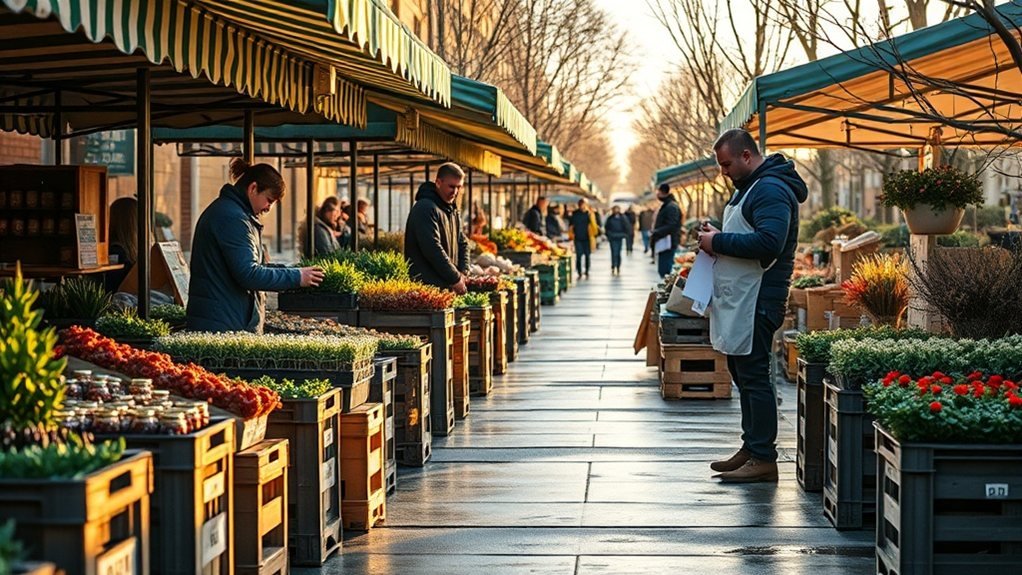
Most farmers’ markets open their vendor applications weeks or months before the first market day — and they close just as fast.
If you want a booth this spring, you can’t wait until the weather warms up to start looking. Check application deadlines now, get your product lineup sorted, and have your permits and liability insurance ready to submit the moment a market opens its application portal.
The Application Window Closes Before the First Market Day
By the time a farmers’ market posts its opening day on social media, the vendor application window is probably already closed.
That’s not an exaggeration. Most markets open applications in January or February, weeks or months before the first market day.
If you’re employing a farmers market schedule by region to plan where you want to sell, employ it early.
Find the markets you want. Then go directly to their websites and look for application deadlines, not opening dates.
Spring is the most competitive time to get a booth. Spots fill fast, and markets don’t wait.
If you missed this cycle, note the deadline for next year. That one habit puts you ahead of most first-time applicants.
How to Get Ready to Sell Before Spring Arrives
If you’ve secured a booth, the real work starts now. Don’t wait until opening day to figure out your setup. Test your display at home. Time how long it takes to unload, arrange, and break down. You’ll thank yourself later.
Stock up on supplies: tables, signage, a cash box, and a card reader. Packaging matters more than people expect. Labels should be clear and readable from a few feet away.
Also, check your local health department rules for selling microgreens. Requirements vary by state.
Search “farmers market open near me spring” to confirm your market’s exact start date using the MGW Farmers Market Finder at markets.microgreensworld.com. Dates shift year to year.
Are There Farmers Markets Open in Winter?

Winter doesn’t shut down every farmers market. Across the U.S., hundreds of markets run year-round, and many that pause outdoors move inside to fairgrounds, community centers, or church halls when temperatures drop.
You’ll find the most consistent winter options in the South and Southeast, but even some Midwest and Northeast markets keep going indoors through January and February.
Year-Round Markets and How to Find Them
Some farmers’ markets never close. If you’re in Florida, Georgia, or Texas, there’s a good chance a market near you runs every single week of the year. That’s not a seasonal perk — it’s just how things work in warmer climates.
If you’re searching “farmers market near me open now” in January and getting nowhere, location matters a lot.
The MGW Farmers Market Finder at markets.microgreensworld.com pulls from USDA data covering 7,842 markets across all 50 states. You can search by zip code and filter by current operating status. No guessing. No showing up at an empty parking lot.
Year-round markets exist. You just need the right tool to find them.
What Moves Indoors and What Stays Outside
Plenty of markets don’t shut down for winter — they just move inside. Community centers, fairgrounds, and school gyms become the new Saturday morning spot. You still get the same vendors. You still get the same community feel.
The spring farmers market season is when most of those markets migrate back outside, and that shift matters. Outdoor markets tend to have more vendors, more foot traffic, and more booth space.
If you’re a grower applying for a spot, indoor winter markets can be worth attending just to meet market managers before spring applications open. Show up, buy something, and introduce yourself. That small move puts a face to your application before the spring rush hits.
Frequently Asked Questions
Can You Sell Microgreens at a Farmers Market Without a License?
You’ll need a license in most states. Check your state’s cottage food or agricultural exemption laws. Many let you sell microgreens with minimal paperwork, but don’t assume you’re covered without verifying first.
How Many Vendors Does a Typical Farmers’ Market Accept Each Season?
Most markets accept 20 to 100 vendors per season, and specialty producers like you often compete for just one or two microgreens spots. Apply early. You’re joining a tight-knit community where relationships with market managers matter.
What Day of the Week Do Most Farmers Markets Run?
Most run on Saturday mornings, so you’ll find the biggest crowds and best vendor selection then. Some markets add a Wednesday or Sunday to give regulars more chances to connect mid-week.
Do Farmers’ Markets Accept EBT or SNAP Payments?
Most do. Look for the purple SNAP/EBT sign at the market info booth. Many markets also offer token-matching programs that double your purchasing power on fresh produce.
How Early Should You Arrive to Shop on a Farmers’ Market Opening Day?
Arrive at least 30 minutes before opening. The best vendors sell out fast, especially on opening day. You’ll get first pick of seasonal finds and have time to meet the growers before the crowds arrive.
Wrap-up: When Do Farmers Markets Open in Spring?
Whether you’re hunting for fresh strawberries or trying to lock down a vendor booth, timing is everything. Southern markets are already moving. Northern ones are catching up fast. Check your state’s extension office or the USDA’s local food directory for exact dates in your area. Don’t wait until opening day to figure this out. The good spots — for shoppers and sellers alike — go quickly.
Leave a Reply