Blog

  • How to Get a Vendor Table at Pearl Farmers Market in San Antonio

    How to Get a Vendor Table at Pearl Farmers Market in San Antonio

    To get a vendor table at Pearl Farmers Market at 303 Pearl Pkwy, you’ll need to contact the market directly since there’s no public application online. The process isn’t first-come, first-served — it goes through a selection queue that reviews both product quality and vendor mix fit. Response timelines vary. Have product photos and setup images ready before you reach out. Keep scrolling to understand exactly what the selection process involves and what gives certain vendors a clear advantage.

    Key Takeaways

    • Pearl Farmers Market does not post a public application; you must contact the market directly to request vendor information.
    • Applications are reviewed through a selection queue, not first-come, first-served, so response timelines vary.
    • Approval covers placement, fees, and schedule; rejection often results from vendor mix crowding, not poor product quality.
    • Submit photos of your product and setup, and include a clear explanation of your growing or production methods.
    • Specialty produce, including microgreens, faces low competition at Pearl, improving your odds of approval in that category.

    What should you know about Pearl Farmers Market before you apply?

    Pearl Farmers Market isn’t like most weekend markets in Texas. It sits in the Pearl District along the San Antonio River, next to the Hotel Emma and the CIA Cafe, and it draws a customer base that spends money on quality food.

    Knowing who shops there and what they already buy is the first thing you need to figure out before you apply.

    What Makes Pearl Farmers Market Different From Other Texas Markets

    If you’re comparing Texas farmers markets, Pearl sits in a different category than most. It’s not a community swap meet. It operates inside the Pearl District, a mixed-use development along the San Antonio River, next to Hotel Emma and the CIA Cafe.

    That location shapes everything. The customer base is upscale, food-literate, and health-conscious. They’re not browsing. They’re buying with purpose.

    Pearl District farmers market vendor requirements reflect that standard. The application process reviews product quality and vendor mix fit. You’re not just filling a table. You’re being evaluated for whether you belong in that lineup.

    Most Texas markets don’t screen that carefully. Pearl does. That’s why getting in means something, and why the competition for specialty produce space is still surprisingly thin.

    Who Shops There and What They Actually Buy

    The shoppers here don’t fit the typical Saturday market crowd. They’re food-literate, health-conscious, and they spend money on quality without hesitation.

    This is the Pearl District. The customer base includes culinary professionals, hotel guests from Hotel Emma, and locals who already know what microgreens are.

    They’re not buying on impulse. They’re buying because they recognize value. That’s a different conversation than most markets require.

    As a pearl farmers market vendor, you’re not educating skeptics. You’re confirming what buyers already believe about specialty produce.

    They buy what they can’t find in a grocery store. That’s your opening. Sunflower, pea shoots, radish, and amaranth move well here because the customer base knows how to utilize them.

    What does the vendor mix look like at Pearl Farmers Market?

    prepared foods baked goods crafts

    Pearl Farmers Market runs a heavy mix of prepared food, baked goods, and craft vendors.

    Specialty produce, including microgreens, is thin on the ground.

    That gap is where your application has room to land.

    Which categories are overrepresented at Pearl Farmers Market

    Most vendor slots at Pearl go to prepared food, baked goods, and craft items. Those categories fill fast and stay full.

    Walk the market on a Saturday morning. You’ll count multiple tamale vendors, several pastry tables, and a row of handmade goods before you reach a single produce vendor.

    That saturation matters when you’re reading the Pearl District market vendor requirements. The application asks about product type and vendor mix fit. Crowded categories face harder scrutiny.

    Prepared food vendors compete for the same approval lane. Craft vendors do too.

    Specialty produce doesn’t. That gap is real and documented. Microgreens sit in a category with thin competition and strong customer demand at this market.

    Where the gap is for specialty produce vendors

    Specialty produce has one or two vendors on a busy Saturday. That’s the gap you’re looking at.

    Most tables at Pearl are taken by prepared food and crafts. Microgreens barely show up.

    Category Vendor Count Competition Level
    Prepared food 15+ High
    Crafts and goods 10+ High
    Specialty produce 1-2 Low

    Dr. Booker T. Whatley’s framework is direct: know your customer before you choose your market. Visit Pearl as a customer first. Watch what sells and where the shelves are thin.

    Specialty produce is under-represented. That’s your pearl farmers market vendor tip. Employ that gap in your application. Name it directly when you describe your product.

    What does the Pearl Farmers Market vendor application process involve?

    contact to request vendor info

    Pearl Farmers Market doesn’t post a rolling open application. You need to contact the market directly to request vendor information and confirm whether your product category has an opening.

    The selection process reviews product quality and vendor mix fit, so what you sell matters as much as how you present it.

    What the market requires before you submit an application

    Before you fill out anything, know that the Pearl Farmers Market application isn’t a formality. They review vendor mix and product quality. Both matter equally.

    You need to show what you’re selling and how it fits the market’s identity. Photos of your product and your setup are standard asks. Have those ready before you open the form.

    The Pearl Farmers Market application process also asks about your production method. For microgreens, that means explaining how you grow, not just what you grow. Be specific.

    They’re looking for vendors who belong in that space. The Pearl District draws food-literate buyers who expect quality. Your application needs to reflect that standard from the first line.

    What the selection process looks like

    Once your application goes in, it enters a review queue. The Pearl Farmers Market vendor application isn’t first-come, first-served.

    The market team reviews for two things: product quality and vendor mix fit. They’re asking whether you fill a gap, not just whether you’re qualified.

    For microgreens, that gap is real. Specialty produce is under-represented at Pearl. That works in your favor if your application makes it obvious.

    You may not hear back immediately. Response timelines vary and aren’t published.

    If you’re approved, you’ll get details on placement, fees, and schedule. If you’re not, the rejection is usually about vendor mix, not your product.

    Apply when the gap is clear. Your application should name it directly.

    What do microgreens vendors specifically need to know about Pearl Farmers Market?

    upscale knowledgeable buyers presentation

    Pearl Farmers Market isn’t a general crowd. The customer base skews upscale, food-literate, and health-conscious, and they already know what microgreens are.

    That’s your starting advantage, but knowing the customer is only half the picture. what sets successful vendors apart comes down to product presentation and market fit.

    Why Pearl Farmers Market’s customer base is a strong match for specialty greens

    The Pearl District draws a customer base that’s already looking for what you’re selling. These shoppers are food-literate, health-conscious, and willing to pay for quality.

    This isn’t a bargain-hunting crowd. They eat at the CIA Cafe next door and stay at the Hotel Emma. They know what microgreens are and they buy them.

    Specialty produce is under-represented at this market. That gap works in your favor on a Pearl District farmers market vendor application. You’re not competing against ten other microgreens tables.

    The customer base here fits the product. Your job is to show up with clean trays, clear pricing, and product they recognize as premium.

    What sets successful vendors apart at Pearl Farmers Market

    Vendors who do well at Pearl aren’t winging it. They show up with consistent product, clean branding, and a clear story. Microgreens Pearl Farmers Market shoppers expect that.

    Your table needs to look like it belongs.

    What works What doesn’t
    Labeled varieties with flavor notes Unlabeled trays with no context
    Clean, consistent packaging Mixed bag of containers
    Knowing your grow process Vague answers to customer questions
    Priced for an upscale buyer Underpricing without confidence
    Returning every week Sporadic attendance

    Consistency builds trust. Trust builds repeat buyers. That’s how you become part of this market’s fabric.

    How do you find Pearl Farmers Market and locate other markets like it near you?

    pearl farmers market location details

    Finding Pearl Farmers Market is straightforward. It’s in the Pearl District at 303 Pearl Pkwy, San Antonio, TX 78215, open Saturday and Sunday mornings. If you want to find comparable markets across Texas, the MGW Farmers Market Finder at markets.microgreensworld.com covers 7,842 USDA-verified markets and lets you search by zip code, city, or state.

    Using the MGW Market Finder to scout markets in Texas

    Most Texas growers don’t know how many markets are within driving distance. The MGW Farmers Market Finder covers 7,842 USDA-verified markets across all 50 states.

    Search by zip code, city, or state to pull up every option near you.

    Search input What you find
    San Antonio, TX Pearl and nearby markets
    78205 zip code Downtown-area market list
    Bexar County County-wide market options
    Austin, TX Central Texas alternatives
    Houston, TX High-volume metro markets

    Figuring out how to get into Pearl Farmers Market starts with knowing what else is available. Comparison shopping markets before you apply puts you ahead.

    Use it at markets.microgreensworld.com.

    What to look for before you apply to any Texas market

    Before you apply anywhere, pull up the MGW Farmers Market Finder at markets.microgreensworld.com. Search by zip code or city. Filter for San Antonio farmers market vendor opportunities and compare what’s active near you.

    Look at each market’s listed categories. You want to know if specialty produce is already represented.

    Check operating days and seasons. Pearl runs Saturday and Sunday mornings year-round. Smaller markets may only run spring through fall.

    Note vendor mix gaps. If a market has 12 prepared food vendors and two produce vendors, that gap is your opening.

    Visit before you apply. Walk the floor as a customer. Watch what moves and what doesn’t.

    You’re not just picking a market. You’re picking the right room to walk into.

    Frequently Asked Questions

    Does Pearl Farmers Market Allow First-Time Vendors With No Market History?

    Yes, Pearl accepts first-time vendors, but your product quality has to stand on its own. They’re evaluating what you bring, not your résumé. Show up with strong samples and a clear product focus.

    Can You Share a Table With Another Microgreens Vendor at Pearl?

    Pearl doesn’t officially support shared vendor tables. If you’re partnering with another microgreens grower, apply separately. Sharing space without approval risks both vendors losing their spots permanently.

    What Days and Hours Does Pearl Farmers Market Actually Operate?

    You’ll find Pearl Farmers Market open Saturday and Sunday mornings. Hours run 9 a.m. to 1 p.m. both days, every week, in the Pearl District along the San Antonio River.

    Is There a Waitlist for Specialty Produce Vendors at Pearl Farmers Market?

    There’s no public waitlist listed for specialty produce vendors. You apply directly, and the review process considers product quality and vendor mix. Specialty produce has less competition there, so your odds are better than most categories.

    Does Pearl Farmers Market Require Vendors to Carry Liability Insurance?

    Yes, you’ll need liability insurance to vend at Pearl Farmers Market. Most markets require at least $1 million in general liability coverage. Get a certificate of insurance before your application is approved.

  • How to Become a Vendor at Easton Farmers Market — One of America’s Oldest Outdoor Markets

    How to Become a Vendor at Easton Farmers Market — One of America’s Oldest Outdoor Markets

    To sell at Easton Farmers Market in downtown Easton, Pennsylvania, you’ll need a completed application, proof of liability insurance, and product documentation submitted directly to the market committee. Approval takes several weeks, so follow up once after 14 days. The market runs every Saturday and has operated since 1752. Specialty produce vendors face almost no direct competition there right now. Keep going and you’ll find exactly where your product fits.

    Key Takeaways

    • Obtain the current vendor application directly from Easton Farmers Market, as requirements change by season and are not available through third parties.
    • Required documentation includes a completed application form, proof of liability insurance, and relevant product documentation supporting your vendor category.
    • Depending on growing and packaging methods, microgreens vendors may need a Pennsylvania Department of Agriculture certificate before approval.
    • The market committee evaluates product category fit, documentation completeness, and booth alignment with the existing vendor mix before granting approval.
    • Approval takes several weeks; follow up once after 14 days and be prepared for waitlisting if your product category is already full.

    What should you know about Easton Farmers Market before you apply?

    Easton Farmers Market has operated for more than 270 years, making it one of the oldest continuously running outdoor markets in the United States.

    It runs on Saturdays in downtown Easton, Pennsylvania, near the Lehigh River.

    Knowing who shops there and what’s already selling tells you where you fit before you fill out an application.

    What Makes Easton Farmers Market Different From Other Pennsylvania Markets

    This market’s been running since 1752. That’s over 270 years of continuous operation. Most Pennsylvania markets can’t come close to that.

    It sits in downtown Easton, near the Lehigh River. The location pulls in local families, regional visitors, and serious food shoppers every Saturday.

    The vendor mix covers seasonal produce, local cheeses, pasture-raised meats, and handmade goods. As an Easton Farmers Market vendor, you’re joining a market with real consumer trust already built in.

    That trust matters. Shoppers here aren’t browsing casually. They come with a list and a purpose.

    Specialty produce, including microgreens, has less competition here than baked goods or prepared food. The customer base is food-focused. That’s the environment where a specialty grower can land consistent sales.

    Who Shops There and What They Actually Buy

    Before you apply, you need to know who’s already spending money at this market.

    The Easton Farmers Market draws local families, regional visitors, and food-focused shoppers from the Lehigh Valley and Delaware Valley areas.

    These shoppers come specifically for quality.

    They buy seasonal produce, local cheeses, pasture-raised meats, and artisan goods.

    They’re not looking for cheap.

    They’re looking for something they can’t find at a grocery store.

    As an Easton Farmers Market vendor, that detail matters.

    Specialty produce, including microgreens, is under-represented on the vendor floor.

    The gap is real.

    Shoppers who prioritize local and specialty food are already there.

    You just need a product that fits what they’re already reaching for.

    What does the vendor mix look like at Easton Farmers Market?

    crowded prepared food and crafts

    Easton Farmers Market leans heavily toward prepared food, baked goods, and crafts.

    Those categories are crowded, and competition for those spots is high.

    Specialty produce, including microgreens, is underrepresented, and that gap is your opening.

    Which categories are overrepresented at Easton Farmers Market

    Walk the Easton Farmers Market on a Saturday morning and you’ll count more baked goods and prepared food vendors than anything else. These two categories dominate the stalls.

    Category Competition Level Vendor Density
    Baked goods High 8–10 vendors
    Prepared foods High 6–8 vendors
    Specialty produce Low 1–2 vendors

    Artisan goods and handmade items also hold a steady presence. As an easton farmers market vendor, you’re entering a crowded space if you bring bread or hot food.

    Specialty produce is thin. That’s the gap. Microgreens sit inside that gap, with almost no direct competition on the floor.

    Where the gap is for specialty produce vendors

    Specialty produce holds fewer than two stalls on most Saturdays at the Easton Farmers Market. That’s a thin field for a market drawing hundreds of shoppers weekly.

    Dr. Booker T. Whatley’s customer-first framework is direct: know your customer before you choose your market. Visit as a shopper first. Watch what sells and where the gaps are.

    Microgreens sit in that gap. Baked goods and prepared foods are crowded. Specialty greens are not.

    That gap is your application strategy for the easton farmers market application 2026. You’re not entering a saturated category. You’re filling one that buyers are already looking for.

    The market wants vendors who serve real demand. Microgreens do that. Your job is to document the gap and present it in your application.

    What does the Easton Farmers Market vendor application process involve?

    know requirements complete application

    You need to know what the market expects before you submit anything. Easton Farmers Market has specific requirements, and missing one will cost you your spot in the review cycle.

    The selection process is competitive, so understanding how vendors get chosen matters as much as the paperwork itself.

    What the market requires before you submit an application

    Before you fill out anything, get the current vendor application directly from the Easton Farmers Market. Requirements change by season, so don’t rely on last year’s version.

    Easton market vendor requirements include proof of liability insurance, a completed application form, and documentation of what you sell. Microgreens vendors may also need a Pennsylvania Department of Agriculture certificate depending on how your product is grown and packaged.

    Have your business name, contact information, and product list ready before you start. Incomplete applications get set aside.

    The market reviews applications and selects vendors based on product fit and available space. Specialty produce categories like microgreens tend to have fewer applicants. That means your paperwork needs to be clean and your product category clearly stated.

    What the selection process looks like

    Once the market receives your application, it goes into a review queue. The market committee checks your product category, your documentation, and whether your booth fits a gap in the current vendor mix.

    As an Easton Farmers Market vendor, you’re not just filling a space. You’re fitting a need.

    If your category is already full, you may be waitlisted. Specialty produce vendors, including microgreens, tend to move through faster because fewer vendors occupy that slot.

    Approval can take several weeks. You won’t always get a reason if you’re declined.

    Follow up once after 14 days if you haven’t heard back. Ask specifically about your product category status. That question shows you understand how the selection works.

    What do microgreens vendors specifically need to know about Easton Farmers Market?

    microgreens niche high demand

    Easton Farmers Market pulls in food-focused shoppers who already spend money on quality.

    Specialty produce, including microgreens, has less competition there than baked goods or prepared food.

    Knowing who buys and what’s missing gives you a real edge before you even apply.

    Why Easton Farmers Market’s customer base is a strong match for specialty greens

    Most vendors skip the customer research and go straight to the application. That’s a mistake.

    Dr. Booker T. Whatley’s framework is simple: know your customer before you choose your market. The Easton Farmers Market customer is already your customer.

    Shoppers here are food-focused. They buy local cheese, pasture-raised meat, and seasonal produce. They read labels and ask questions. That’s exactly who buys microgreens easton farmers market vendors can sell to.

    The market draws local Easton families and regional visitors from the Lehigh and Delaware Valley areas. These aren’t impulse buyers. They come with a list and a budget for specialty items.

    That customer base creates real demand before you set up your first table.

    What sets successful vendors apart at Easton Farmers Market

    Fitting in at Easton Farmers Market takes more than a good product. The vendors who last show up consistently, keep their tables clean, and know their customers by name.

    Presentation and reliability matter here.

    Factor Weak vendor Strong vendor
    Table setup Folding table, no signage Branded display, clear pricing
    Product consistency Varies week to week Same quality every Saturday
    Customer interaction Passive, waits to be asked Greets shoppers, explains product
    Market knowledge Applied without visiting Visited first, identified gaps
    Reliability Misses dates Present every scheduled week

    As an Easton Farmers Market vendor, your reputation builds one Saturday at a time. Gaps in your attendance break trust fast.

    How do you find Easton Farmers Market and locate other markets like it near you?

    find verified nearby farmers markets

    The MGW Farmers Market Finder covers 7,842 USDA-verified markets across all 50 states. Search by zip code, city, or state to pull up Easton Farmers Market or any comparable market in Pennsylvania.

    Before you apply anywhere, you need to know what to look for so you don’t waste an application on the wrong fit.

    Using the MGW Market Finder to scout markets in Pennsylvania

    Pull up markets.microgreensworld.com and type in Easton, PA. You’ll see Easton Farmers Market surface alongside nearby options across the Lehigh Valley.

    The tool draws from 7,842 USDA-verified markets across all 50 states. You can search by zip code, city, or state.

    As a prospective Easton farmers market vendor, employ the results to compare market size, frequency, and product category gaps. Don’t apply blind.

    Look at what other Pennsylvania markets list under specialty produce. If that category is thin, that’s your opening.

    The finder gives you a side-by-side picture before you commit time or money. Utilize it to build a short list of two or three markets worth visiting in person first.

    What to look for before you apply to any Pennsylvania market

    Before you apply anywhere, visit the market as a customer first. Walk the full layout at Easton Farmers Market on a Saturday morning. Count the specialty produce vendors. Note what’s missing.

    Dr. Booker T. Whatley’s framework is direct: know your customer before you choose your market. Watch what sells. Identify the gap. That gap is your application strategy.

    At Easton, specialty produce is under-represented. That’s your opening as a microgreens vendor.

    Look for three things at any Pennsylvania market. How many produce vendors are already there? What’s the customer traffic like by 9 a.m.? Does the market run weekly or bi-weekly?

    One visit tells you more than any website. Go before you apply.

    Frequently Asked Questions

    Does Easton Farmers Market Operate Year-Round or Only During Certain Seasons?

    The Easton Farmers Market runs seasonally, not year-round. You’ll find it operating on Saturdays from late spring through fall. Check the market’s official site for exact start and end dates before you plan your vendor schedule.

    How Much Does It Cost to Rent a Vendor Booth at Easton Farmers Market?

    Booth fees aren’t publicly listed, so you’ll need to contact the market directly for current rates. Costs typically vary by space size and season, so ask about both when you reach out.

    Can First-Time Vendors Share a Booth Space With Another Vendor?

    Yes, you can share a booth with another vendor, but both of you must get approval from market management before your first day. Check the vendor rules together so neither of you gets turned away.

    Are There Rules About How Vendors Must Display Their Products?

    Yes, there are display rules. You’ll need to keep your setup within your assigned space, maintain a clean presentation, and follow any signage or labeling requirements the market sets for your product category.

    How Early Do Vendors Need to Arrive Before the Market Opens?

    You’ll want to arrive at least 60 to 90 minutes before the market opens. Most experienced vendors show up earlier. It gives you time to set up, settle in, and feel ready before the first customers arrive.

  • How to Get a Vendor Spot at Copley Square Farmers Market — Boston’s Most Central Market

    How to Get a Vendor Spot at Copley Square Farmers Market — Boston’s Most Central Market

    To get a vendor spot at Copley Square Farmers Market, you apply through Mass Farmers Markets. Before you submit, visit the market on a Tuesday or Friday and observe the vendor mix. Specialty produce tables are under-represented — fewer than three are commonly seen. That gap is your angle. Your application needs a business certificate, liability insurance, product photos, and clear descriptions. Get those documents ready first, then keep going — there’s more to cover before you apply.

    Key Takeaways

    • Copley Square Farmers Market is managed by Mass Farmers Markets; submit your vendor application through that organization to be considered.
    • Required documents include a business certificate, liability insurance, food handler certification, product photos, and clear product descriptions.
    • Visit the market as a shopper first to observe buyer patterns, product gaps, and which vendor categories are underrepresented.
    • Specialty produce and microgreens are underrepresented at Copley Square; highlighting this gap in your application improves selection committee approval chances.
    • The market runs Tuesday and Friday from late May through November, drawing office workers and residents with targeted purchase intent.

    What should you know about Copley Square Farmers Market before you apply?

    Copley Square Farmers Market runs Tuesday and Friday in Boston’s Back Bay from late May through November.

    It’s a weekday market, and that changes everything about who shows up and what they buy.

    You need to understand that buyer profile before you fill out a single application form.

    What Makes Copley Square Farmers Market Different From Other Massachusetts Markets

    This market runs on Tuesday and Friday from late May through November in Boston’s Back Bay neighborhood. That weekday schedule changes everything about who shops there.

    You’re not selling to weekend browsers. You’re selling to office workers, Back Bay residents, and city shoppers making quick lunch or dinner decisions.

    That buyer profile matters if you want to become a Copley Square Farmers Market vendor. People here shop fast and shop with purpose.

    Specialty produce fits that pattern. Microgreens are a targeted buy for health-conscious urban shoppers who already know what they want.

    Mass Farmers Markets manages this location. That’s the organization you’ll work with through the application process.

    Who Shops There and What They Actually Buy

    The buyer profile at this market isn’t random. You’re selling to Back Bay office workers, local residents, and city shoppers who stop by Tuesday and Friday during lunch or after work.

    These aren’t weekend browsers. They make fast, targeted purchases. They know what they want before they arrive.

    Microgreens fit this buyer directly. Health-conscious urban shoppers look for specialty produce they can’t get at a standard grocery store. That’s your opening.

    Watch what moves on a Tuesday versus a Friday. The after-work crowd on Friday tends to buy for weekend meals. The midday Tuesday crowd buys for that same night.

    Being a vendor here means knowing these patterns before your first market day. Visit before you apply.
    What does the vendor mix look like at Copley Square Farmers Market?

    prepared foods dominate produce sparse

    Prepared food vendors dominate most urban farmers markets, and Copley Square is no different.

    Baked goods, hot food, and packaged snacks take up the most table space.

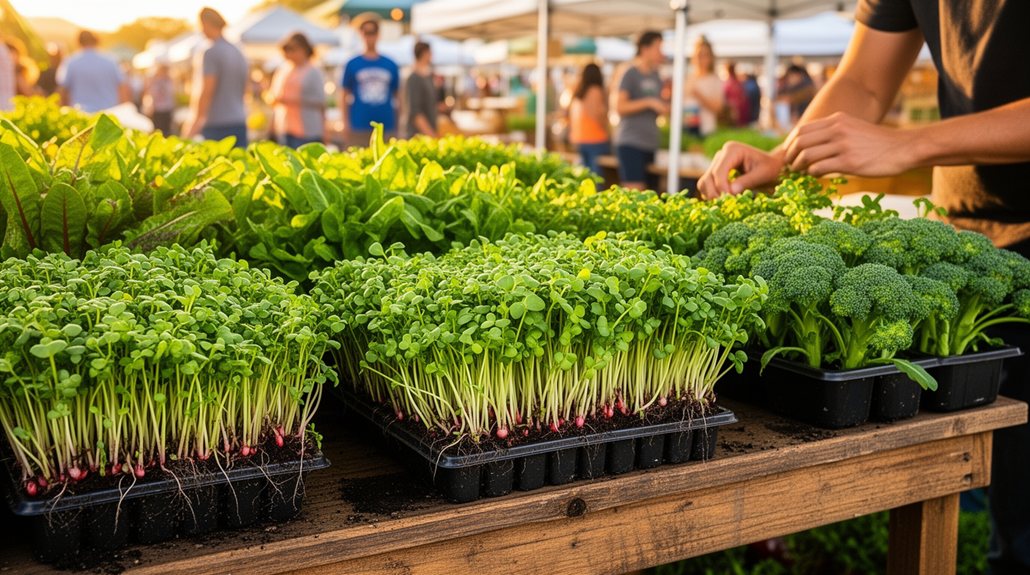
    Specialty produce, including microgreens, is under-represented in that mix.

    Which categories are overrepresented at Copley Square Farmers Market

    Most vendor spots at Copley Square go to prepared food sellers. Baked goods, hot food, and beverages fill a large share of the vendor mix.

    Specialty produce, including microgreens, stays underrepresented. That’s where you fit in.

    Category Competition Level Meets Copley Square Market Vendor Requirements
    Prepared food High Yes
    Baked goods High Yes
    Beverages Medium Yes
    Specialty produce Low Yes
    Microgreens Very low Yes

    The gap in specialty produce is real. Fewer vendors means less crowding in your category.

    That gap is your entry point. Knowing it before you apply puts you ahead of most applicants.

    Where the gap is for specialty produce vendors

    Specialty produce has a short vendor list at Copley Square. That’s your opening.

    Most slots go to prepared food vendors and baked goods. Microgreens at Copley Square Farmers Market sit in a category with almost no direct competition.

    Dr. Booker T. Whatley’s framework is clear: know your customer before you choose your market. Visit the market first. Watch what the Back Bay lunch crowd buys. Notice what’s missing from the produce tables.

    You’ll see the gap fast. Health-conscious office workers and residents shop here on Tuesday and Friday. They want fresh, quick, targeted ingredients. Microgreens fit that exactly.

    Specialty produce is under-represented. That’s not a problem for you. That’s your application strategy. Name the gap in your vendor application and own it.

    What does the Copley Square Farmers Market vendor application process involve?

    meet mass farmers markets criteria

    Mass Farmers Markets manages the application for Copley Square. You’ll need to meet their vendor requirements before you submit anything.

    The selection process is competitive, so knowing what they look for gives you a real advantage.

    What Mass Farmers Markets requires before you submit an application

    Before you open the Mass Farmers Markets application portal, you’ll need several documents ready.

    Get your business certificate first. Most Massachusetts towns issue these at the city clerk’s office for under $50.

    You’ll also need proof of liability insurance. Most markets require at least $1 million in general liability coverage. List Mass Farmers Markets as an additional insured.

    If you’re selling food, have your food handler certification and any relevant state licenses ready before you start the form.

    As a mass farmers markets vendor, you’ll also submit product photos and a description of what you grow or make.

    Pull these documents together before the portal opens. Applications move fast, and incomplete submissions don’t get a second look.

    What the selection process looks like

    Once you submit to Mass Farmers Markets, a review committee evaluates your application against the current vendor mix at Copley Square. They’re checking for gaps, not just qualifications.

    The committee looks at what categories are already filled. If three produce vendors are already in, a fourth faces a harder review.

    Specialty produce like microgreens has less competition in the current vendor mix. That gap works in your favor during evaluation.

    You won’t get real-time updates during the review. Mass Farmers Markets contacts applicants directly once decisions are made.

    Your Copley Square farmers market vendor application stands a better chance when your product fills a visible gap. Know the mix before you apply.

    What do microgreens vendors specifically need to know about Copley Square Farmers Market?

    ideal lunchtime microgreens market

    Copley Square draws office workers and Back Bay residents shopping fast for lunch or dinner. That buyer profile fits microgreens better than most weekend markets do.

    Knowing who’s buying and what’s missing from the vendor mix is what separates a strong application from a rejected one.

    Why Copley Square Farmers Market’s customer base is a strong match for specialty greens

    Most vendors skip the research step and pay for it later.

    Copley Square draws office workers, Back Bay residents, and cross-city shoppers. They’re buying for lunch or dinner, not browsing. That’s a different buyer than you’d find at a weekend market.

    As a boston specialty produce market vendor, you’re selling to people who already read labels. They know what microgreens are. They’re not a hard sell.

    The market runs Tuesday and Friday from late May through November. Midday and after-work foot traffic means quick, targeted purchases. People want something specific and they move fast.

    Dr. Booker T. Whatley said to know your customer before you choose your market. Copley’s buyer profile matches specialty greens better than most Boston locations.

    What sets successful vendors apart at Copley Square Farmers Market

    Specialty produce vendors face less competition here than prepared food vendors do. That gap is real, and it works in your favor.

    Microgreens fit this market because the buyer base is health-focused and time-pressed. They’re not browsing. They’re buying with a purpose.

    If you want to know how to sell at Copley Square Farmers Market, visit first as a customer. Watch what moves on a Tuesday. Count the specialty produce tables. You’ll likely see fewer than three.

    That’s your entry point.

    Come with clean packaging, clear labels, and consistent supply. Weekday shoppers return when they trust a vendor. Reliability is what keeps you in the mix week after week.

    How do you find Copley Square Farmers Market and locate other markets like it near you?

    locate copley square and beyond

    Finding Copley Square on a map is easy.

    Finding every other market in Massachusetts that fits the same buyer profile takes more work. The MGW Farmers Market Finder covers 7,842 USDA-verified markets and lets you search by zip code, city, or state so you can compare options before you apply.

    Using the MGW Market Finder to scout markets in Massachusetts

    Before you apply anywhere, pull up the MGW Farmers Market Finder at markets.microgreensworld.com. It covers 7,842 USDA-verified markets across all 50 states.

    Search by zip code, city, or state. You’ll see what’s operating near you fast.

    Here’s what the finder shows for key Massachusetts markets:

    Market Location Schedule
    Copley Square Farmers Market Boston, Back Bay Tue & Fri, May–Nov
    Dewey Square Farmers Market Boston, South End Thu, Season varies
    Central Square Farmers Market Cambridge Mon, June–Oct

    Use this data before filing any boston farmers market vendor application. Know exactly where you’re applying before you commit.

    What to look for before you apply to any Massachusetts market

    Knowing which markets exist is only step one.

    You also need to know what each market wants. Copley Square Farmers Market draws health-conscious urban buyers on weekdays. That buyer profile is specific, and it matches microgreens well.

    Before you apply anywhere, check three things. First, confirm the market accepts specialty produce vendors. Second, look at the current vendor mix for gaps. Third, check how many days per week the market runs.

    Dr. Booker T. Whatley’s framework is direct: know your customer before you choose your market. Visit Copley Square as a shopper first. Watch what sells and where the gaps are. That observation is your application strategy.

    Specialty produce is under-represented at most Massachusetts markets. That gap is your opening.

    Frequently Asked Questions

    Does Copley Square Farmers Market Require Vendors to Be Massachusetts-Based?

    Yes, you’ll need to be Massachusetts-based to sell at Copley Square. Mass Farmers Markets manages the program and prioritizes local producers. Out-of-state vendors don’t fit the vendor profile here.

    Can You Sell at Copley Square and Other Massachusetts Markets Simultaneously?

    You can sell at Copley Square and other Massachusetts markets at the same time. Mass Farmers Markets manages multiple locations, so one application relationship can open doors across their whole network.

    What Insurance Coverage Do Copley Square Vendors Need to Carry?

    You’ll need general liability insurance with at least $1 million per occurrence. Mass Farmers Markets requires proof before your first market day. Add them as an additional insured on your certificate.
    How Much Does a Vendor Booth Space Cost at Copley Square?

    Booth fees aren’t publicly listed by Mass Farmers Markets. You’ll get exact pricing after your application is reviewed. Contact them directly at massfarmermarkets.org to ask before you apply.

    Does Mass Farmers Markets Notify Rejected Applicants With a Reason?

    Mass Farmers Markets doesn’t typically provide rejection reasons. You won’t get detailed feedback. If you’re declined, follow up directly by email and ask. Most program managers will respond to a polite, specific request.

  • How to Apply to Sell at Urban Harvest Farmers Market in Houston

    How to Apply to Sell at Urban Harvest Farmers Market in Houston

    To apply at Urban Harvest Farmers Market in Houston, visit the market first on a Saturday morning. Count the produce vendors and note what’s missing. Then go to urbanharvest.org and complete the vendor application fully. The cooperative reviews applications based on how well your product fills gaps in the existing vendor mix. If you don’t hear back within two weeks, follow up by email. There’s more to know before you submit.

    Key Takeaways

    • Visit Urban Harvest’s market in person first, documenting gaps in specialty produce before submitting your vendor application.
    • Start your application at urbanharvest.org and complete the vendor form fully to avoid disqualification during cooperative review.
    • Frame your application around an under-represented niche, such as microgreens, to align with cooperative selection standards.
    • Emphasize consistent weekly attendance in your application, as Urban Harvest prioritizes vendors committed to long-term presence.
    • Follow up by email if no response arrives within two weeks of submitting your completed application.

    What should you know about Urban Harvest Farmers Market before you apply?

    Urban Harvest Farmers Market isn’t a typical weekend pop-up. It runs year-round on an 18-acre site in Houston’s Heights neighborhood, with more than 80 vendors and over 40,000 square feet of open-air space.

    The customer base and the vendor mix both shape your odds before you write a single word of your application.

    What Makes Urban Harvest Farmers Market Different From Other Texas Markets

    What you’re walking into here isn’t a typical weekend pop-up. Urban Harvest sits on 18 acres in Houston’s Heights neighborhood. It has over 40,000 square feet of open-air space and more than 80 vendors.

    This market has been running since cooperating Houston-area farmers purchased the site in the early 1940s. Some vendor families have sold here for generations. That history shapes how applications get reviewed.

    The customer base skews health-conscious and high-income. As an urban harvest houston vendor, you’re selling to buyers who read labels and spend more.

    Feature Urban Harvest Typical Texas Market
    Site size 18 acres Under 2 acres
    Vendor count 80+ 20 to 40
    Operation Year-round Seasonal
    Structure Cooperative Private management
    Customer profile High-income, health-focused General public

    Who Shops There and What They Actually Buy

    Knowing the site specs is one thing. Knowing who walks through the gate is another.

    The Heights neighborhood skews health-conscious and high-income. These shoppers read labels, ask questions, and return to vendors they trust.

    They’re not bargain hunting. They’re looking for something specific, something they can’t get at a grocery store.

    That’s where specialty produce houston market demand comes in. Microgreens fit exactly what this customer base wants. But they’re under-represented in the current vendor mix.

    Dr. Booker T. Whatley’s framework is direct: know your customer before you choose your market. Visit Urban Harvest as a shopper first. Watch what sells. Find the gap.

    That gap is your application strategy.

    What does the vendor mix look like at Urban Harvest Farmers Market?

    underrepresented microgreens and specialty produce

    Urban Harvest runs more than 80 vendors, and most of that space goes to prepared food, baked goods, and general produce.

    Specialty produce, including microgreens, is under-represented relative to the overall vendor mix.

    That gap is your opening.

    Which categories are overrepresented at Urban Harvest Farmers Market

    Before you apply, you need to know what’s already there. Urban Harvest Farmers Market has over 80 vendors. Several categories are well-covered.

    Prepared foods, baked goods, and packaged specialty items take up a large share of the vendor mix. Meat and egg vendors are represented too. These are the categories where you’ll face the most competition under the urban harvest vendor requirements review process.

    Conventional produce also shows up consistently. Multiple vendors sell standard fruits and vegetables week after week.

    What’s thin is specialty produce. Microgreens, edible flowers, and similar niche items don’t appear in proportion to customer demand. The Heights customer base is health-conscious and high-income. That gap between what shoppers want and what vendors offer is exactly where you fit.

    Where the gap is for specialty produce vendors

    Most of the 80-plus vendors at Urban Harvest sell prepared food, baked goods, or conventional produce.

    Specialty produce, including microgreens, is thin across the whole vendor mix.

    That’s the gap.

    Houston’s Heights neighborhood draws health-conscious, higher-income shoppers.

    These buyers actively look for specialty items they can’t find at a standard grocery store.

    Microgreens urban harvest houston searches reflect real local demand, but the supply side hasn’t caught up.

    Dr. Booker T. Whatley’s customer-first framework applies directly here.

    Visit the market before you apply.

    Watch what’s missing.

    Identify where shoppers slow down and find nothing to buy.

    That observation becomes your application strategy.

    You’re not guessing at fit.

    You’re showing the cooperative exactly where you fill a gap they already have.

    What does the Urban Harvest Farmers Market vendor application process involve?

    review vendor fit gaps

    Urban Harvest runs on a cooperative structure, so your application gets reviewed for fit against the existing vendor mix.

    Before you submit anything, you need to know what’s already there and where the gaps are.

    Specialty produce is under-represented, and that gap is your entry point.

    What the market cooperative requires before you submit an application

    Because Urban Harvest runs as a cooperative, the application process isn’t just a form. The members review each Urban Harvest Farmers Market vendor application for how well you fit the existing mix.

    That means your product category matters before you apply. If another vendor already covers your niche, your application faces a harder review.

    Specialty produce like microgreens is under-represented in the current vendor mix. That gap works in your favor, but you need to document it.

    Visit the market first as a customer. Walk the 80-plus vendor stalls on the 18-acre site in Houston’s Heights neighborhood. Take notes on what’s missing. That observation becomes your application argument.

    What the selection process looks like

    Once you’re ready to apply, the process starts on Urban Harvest’s vendor application page at urbanharvest.org. Fill out the form completely. Incomplete applications don’t move forward.

    The cooperative reviews applications for fit within the existing vendor mix. That’s how to get into Urban Harvest Farmers Market. You’re not just applying for a spot. You’re applying to join an 80-vendor community with a specific balance.

    Specialty produce like microgreens is under-represented at this market. That gap works in your favor if you frame your application around it. Show them what’s missing, then show them you fill it.

    Approval timelines vary. Follow up by email if you haven’t heard back within two weeks of submitting.

    What do microgreens vendors specifically need to know about Urban Harvest Farmers Market?

    high income health conscious buyers

    Urban Harvest’s Heights customer base is health-conscious and high-income.

    That’s the exact profile that buys specialty greens.

    Knowing what’s already on the floor, and what’s missing, is what separates vendors who get approved from vendors who don’t.

    Why Urban Harvest Farmers Market’s customer base is a strong match for specialty greens

    The Heights neighborhood consistently draws health-conscious, high-income shoppers. These buyers already know what microgreens are. They’re looking for vendors who sell them.

    Urban Harvest Farmers Market sits on an 18-acre site with over 80 vendors. The overall vendor mix skews toward produce and prepared foods. Specialty greens are under-represented in that mix.

    That gap works in your favor for the urban harvest farmers market application 2026 cycle. You’re not competing against a crowded category. You’re filling one.

    The customer base here spends money on quality. They come back weekly. If your product is consistent, they’ll build a habit around buying from you specifically.

    What sets successful vendors apart at Urban Harvest Farmers Market

    Most vendors who succeed at Urban Harvest stay for years. Some have sold at this Houston Heights farmers market vendor location for generations. That kind of longevity signals a community, not just a sales event.

    The cooperative reviews applications for fit. That means your product needs to fill a gap, not duplicate what’s already there.

    Specialty produce like microgreens is under-represented in the current vendor mix. That’s your opening. Show up knowing what’s missing and explain how you fill it.

    Consistency matters here. Customers return weekly and expect the same vendors. If you can’t commit to regular attendance, this market isn’t the right fit yet.

    Know your product, know your schedule, and come prepared to stay.

    How do you find Urban Harvest Farmers Market and locate other markets like it near you?

    find nearby verified farmers markets

    Urban Harvest isn’t the only market worth your time in Texas. The MGW Farmers Market Finder covers 7,842 USDA-verified markets across all 50 states, and you can search by zip code, city, or state to pull up every option near you.

    Before you apply anywhere, you need to know what each market looks like from the inside.

    Using the MGW Market Finder to scout markets in Texas

    Pull up markets.microgreensworld.com and type in your Houston zip code. The tool pulls from 7,842 USDA-verified markets across all 50 states. You’ll see Urban Harvest and every other active market near you.

    Filter by location to compare vendor mix, open dates, and market size. Urban Harvest runs year-round with 80-plus vendors on an 18-acre site. That context matters before you submit a houston farmers market vendor application anywhere.

    You’re not guessing anymore. You’re looking at real data next to real options.

    Check two or three nearby markets at the same time. Some growers start at a smaller market first. That track record helps when you apply to a competitive spot like Urban Harvest.

    What to look for before you apply to any Texas market

    Before you apply anywhere, you need to know what you’re walking into. Vendor mix, customer base, and product gaps tell you more than any application form.

    At Urban Harvest, the customer base in Houston’s Heights neighborhood skews health-conscious and high-income. Specialty produce is under-represented across the vendor mix. That’s your opening as a houston agricultural market vendor.

    Dr. Booker T. Whatley’s framework is direct: know your customer before you choose your market. Visit first. Watch what sells. Identify the gap.

    Go on a Saturday morning. Count the produce vendors. Note what’s missing. Microgreens fit this market, but you need to confirm that yourself before you fill out one form.

    That observation trip is step one. The application is step two.

    Frequently Asked Questions

    Does Urban Harvest Farmers Market Charge Vendors a Booth Fee?

    Yes, Urban Harvest charges vendors a booth fee. Check their current fee schedule directly on their website or contact the market manager before you budget for your first season.

    Can Vendors Sell at Urban Harvest Year-Round From Day One?

    You can, but you won’t start that way. Urban Harvest reviews applications for fit within the existing vendor mix. You’ll likely begin with a seasonal or trial arrangement before earning a permanent year-round spot.

    How Long Does the Urban Harvest Application Review Process Take?

    You’ll typically wait four to six weeks after submitting. The cooperative reviews applications for vendor mix fit, so incomplete submissions slow things down. Have your product list and photos ready before you apply.

    Are There Size Restrictions for Vendor Booths at Urban Harvest?

    Urban Harvest doesn’t publish fixed booth size limits online. Contact the market office directly to confirm current space dimensions before you plan your setup or buy display equipment.

    Can Two Vendors at Urban Harvest Sell the Same Product?

    Yes, two vendors can sell the same product. But Urban Harvest’s cooperative review process checks the existing vendor mix. If a category is already filled, your application may not move forward.

  • How to Become a Vendor at Texas Farmers Market — Austin’s Most Consistently Voted Market

    How to Become a Vendor at Texas Farmers Market — Austin’s Most Consistently Voted Market

    To become a vendor at Texas Farmers Market, your farm must sit within 150 miles of Austin and qualify as a sustainable fruit or vegetable operation. They run two locations — Mueller and Cedar Park — and select vendors based on product fit and category gaps. Microgreens currently show low saturation, which means a real opening exists. Scout Mueller first, then apply where your product fills the clearest gap. There’s more ground to cover before your application is ready.

    Key Takeaways

    • Texas Farmers Market operates year-round at Mueller and Cedar Park, running rain-or-shine with nearly 20,000 square feet of covered market space.
    • Vendor eligibility requires operating a sustainable fruit or vegetable farm located within 150 miles of Austin.
    • Specialty produce, including microgreens, shows low vendor saturation, creating a clear category opening at both locations.
    • Applications are reviewed for farm location, product type, and how well the vendor fills gaps in the current vendor mix.
    • Scout Mueller on Saturdays before applying, counting specialty produce vendors and observing buyer behavior to strengthen your application.

    What should you know about Texas Farmers Market before you apply?

    Before you apply to Texas Farmers Market, you need to know what makes it different from other Austin-area markets. It runs year-round at two locations. Mueller and Cedar Park both draw specific customer types who spend money on specific products.

    What Makes Texas Farmers Market Different From Other Texas Markets

    If you’ve seen farmers market listings in Austin, Texas Farmers Market stands apart for one reason: it screens for sustainability.

    Most markets take any vendor. This one doesn’t.

    Feature Texas Farmers Market
    Locations Mueller and Cedar Park
    Schedule Year-round, rain-or-shine
    Coverage Nearly 20,000 sq ft covered
    Applicant requirement Within 150 miles of Austin

    The Texas Farmers Market Mueller vendor application is only open to sustainable fruit and vegetable farmers. That filter shapes everything, including who shops there.

    Customers at Mueller are food-literate. They read labels. They ask questions. They return to vendors they trust.

    That’s the community you’re entering when you apply.

    Who Shops There and What They Actually Buy

    Mueller draws from Austin’s tech and food-professional communities every Saturday and Sunday. These shoppers read labels, ask questions, and pay for quality.

    They’re not looking for the cheapest option. They’re looking for the right one.

    This customer base already understands specialty produce. As an austin farmers market vendor, that works in your favor. You don’t have to explain what microgreens are or why they cost more than grocery store greens.

    Cedar Park draws similar buyers. Families and food-conscious residents who shop intentionally and return weekly.

    Both locations have regulars. Regulars build your revenue base faster than one-time buyers.

    These shoppers buy what they recognize and trust. Your job is to show up consistently and give them a reason to find your table first.

    What does the vendor mix look like at Texas Farmers Market?

    established produce baked goods

    Before you apply, you need to know what’s already at this market. Texas Farmers Market skews heavily toward established produce farms, baked goods, and prepared food vendors.

    Specialty produce, including microgreens, is underrepresented, and that gap is your opening.

    Which categories are overrepresented at Texas Farmers Market

    Most vendor slots at Texas Farmers Market go to produce farmers, baked goods sellers, and prepared food vendors. These three categories fill up fast at both Mueller and Cedar Park locations.

    Category Saturation Level
    Baked goods High
    Prepared food High
    Specialty produce Low

    As a texas farmers market vendor, knowing this matters before you apply. Oversaturated categories mean longer wait times and tougher competition for space.

    Specialty produce, including microgreens, sits in the low-saturation column. That gap is real. The market’s food-literate customer base actively looks for products they can’t find at a grocery store. If your grow fits that gap, your application stands out from the start.

    Where the gap is for specialty produce vendors

    That low-saturation gap doesn’t just mean less competition. It means the market actually needs you.

    Specialty produce, including microgreens, is under-represented at Texas Farmers Market. Mueller’s food-literate customer base already buys premium ingredients. They know what microgreens are. They’re looking for them.

    Dr. Booker T. Whatley’s framework is direct: know your customer before you choose your market. Visit Mueller as a customer first. Watch what sells on a Saturday morning. Count how many vendors carry specialty greens. That number is usually zero or one.

    That’s your application strategy. You’re not competing for a slot. You’re filling a documented gap.

    When you apply as a microgreens Texas farmers market vendor, you’re giving the market something it’s missing.

    What does the Texas Farmers Market vendor application process involve?

    no walk ins competitive selection

    Texas Farmers Market doesn’t accept walk-in vendors. You’ll need to meet specific requirements before you can even submit.

    The selection process is competitive, so knowing what they’re looking for gives you a real advantage.

    What Texas Farmers Market requires before you submit an application

    Before you fill out anything, check the eligibility rules. Texas farmers market vendor requirements are specific, and missing one disqualifies your application.

    You must be a sustainable fruit or vegetable farmer. Your farm must be within 150 miles of Austin.

    Texas Farmers Market operates at two locations. Mueller is at Branch Park Pavilion in Austin. Cedar Park is the second site. Both are year-round, rain-or-shine markets.

    Microgreens qualify as specialty produce. They align with the market’s sustainable agriculture mission.

    If you’re a beginning farmer who identifies as BIPOC, check the scholarship program before applying. It’s designed to lower barriers for farmers at the start.

    Gather your farm documentation first. Know your growing practices and your distance from Austin before you open the application.

    What the selection process looks like

    Once you meet the eligibility requirements, the application moves through a review process. Texas Farmers Market staff evaluate each submission before granting a spot.

    They look at your farm location, what you’re growing, and how it fits the market’s mix. Specialty produce like microgreens gets reviewed against current vendor gaps.

    If your product fills a need, you move forward. If the category is already covered, you may wait or be declined.

    The Texas Farmers Market application process is competitive. Mueller and Cedar Park each have their own vendor makeup, so what’s missing at one location may already exist at the other.

    Apply to the location where your product has the clearest opening. That’s your best path to getting accepted.

    What do microgreens vendors specifically need to know about Texas Farmers Market?

    know buyers inventory gaps

    Microgreens fit this market’s mission, but knowing that isn’t enough.

    You need to understand who’s buying, what’s already on the floor, and where the gap is.

    That gap is your application strategy.

    Why Texas Farmers Market’s customer base is a strong match for specialty greens

    Texas Farmers Market pulls its heaviest foot traffic from Mueller, an urban Austin neighborhood packed with tech workers and food professionals. These buyers know food. They ask questions, read labels, and spend more per visit than average market shoppers.

    That’s the customer you want standing in front of your tray of sunflower or pea shoots.

    Specialty produce Austin market shoppers actively look for things they can’t find at a grocery store. Microgreens fit that gap exactly. This crowd supports sustainable agriculture, and they’re comfortable paying premium prices for specialty items.

    You’re not selling to bargain hunters here. You’re selling to people who already understand the value of what you’re growing. That alignment is rare. This market has it.

    What sets successful vendors apart at Texas Farmers Market

    Walk the Mueller market before you apply. Watch which stalls draw lines and which don’t.

    Dr. Booker T. Whatley’s core rule: know your customer before you choose your market. Specialty produce has a gap here. That gap is your entry point as a Mueller farmers market vendor.

    Factor Weak approach Strong approach
    Product fit Generic greens Named varieties with signage
    Customer knowledge No pre-visit Two or more scouting visits
    Application timing Apply immediately Apply after identifying gaps
    Display setup Basic table Branded, story-driven booth

    Visit on both Saturday and Sunday. Traffic patterns differ by day.

    Show the market you already understand their customer.

    How do you find Texas Farmers Market and locate other markets like it near you?

    find usda verified nearby markets

    Texas Farmers Market is in Austin, but it’s not the only strong market for microgreens in Texas.

    The MGW Farmers Market Finder at markets.microgreensworld.com covers 7,842 USDA-verified markets across all 50 states, searchable by zip code, city, or state.

    Before you apply anywhere, you need to know what to look for so you don’t waste time on the wrong market.

    Using the MGW Market Finder to scout markets in Texas

    Pull up markets.microgreensworld.com and search your zip code. The tool covers 7,842 USDA-verified markets across all 50 states.

    Filter results to compare markets before you apply. Here’s what the finder shows you for each market:

    Data point Why it matters
    Location and address Confirms distance from your operation
    Market schedule Shows year-round vs. seasonal availability
    Vendor category mix Reveals gaps like specialty produce
    Contact information Gets you directly to the application

    Texas Farmers Market in Austin runs two locations. Mueller and Cedar Park are both searchable by zip code inside the tool.

    Knowing how to sell at Texas Farmers Market Austin starts with knowing where you fit.

    What to look for before you apply to any Texas market

    Before you apply anywhere, visit the market as a customer first. Walk the Mueller location at Branch Park Pavilion on a Saturday or Sunday. Watch what sells.

    Count the specialty produce vendors. At most Austin markets, that category is thin. That gap is your entry point for your austin farmers market application 2026.

    Notice who buys microgreens. At Mueller, you’re selling to Austin’s tech and food-professional communities. These buyers know what they want.

    Dr. Booker T. Whatley’s framework is simple: know your customer before you choose your market. Visit first. Apply second.

    Look at vendor density in your category. If no one is selling microgreens, that’s not a warning. That’s an opening. Identify it before you submit anything.

    Frequently Asked Questions

    Does Texas Farmers Market Charge Vendors a Percentage of Sales?

    Texas Farmers Market doesn’t charge a percentage of your sales. You pay a flat booth fee. That keeps your pricing simple and your earnings predictable.

    Can You Sell at Both Mueller and Cedar Park Locations Simultaneously?

    You can sell at both Mueller and Cedar Park locations simultaneously. Apply to each site separately. Being active at both puts you in front of two distinct Austin communities every week.

    What Booth Sizes Does Texas Farmers Market Offer to New Vendors?

    Texas Farmers Market doesn’t publish standard booth size tiers on their vendor application page. Contact their market manager directly to confirm what’s available for new vendors before you apply.

    Does Texas Farmers Market Allow Shared Vendor Booths Between Two Growers?

    Texas Farmers Market doesn’t publicly list a shared booth policy. Contact their vendor coordinator directly to ask. Some markets allow it with prior approval, so get a clear answer before you plan your setup.

    How Long Does It Take to Get Approved After Submitting Your Application?

    They don’t publish a fixed timeline. Expect a few weeks after submission. Check your email and respond fast if they follow up. Slow replies can delay or cost you the spot.

  • How to Get Into Dane County Farmers Market — America’s Largest Producer-Only Market

    How to Get Into Dane County Farmers Market — America’s Largest Producer-Only Market

    To get into Dane County Farmers Market, you’ll need documented proof that you grow or produce everything you sell — no resellers allowed. Prepare a grow room photo, tray counts, and a harvest log before the late-winter application window opens. The selection committee prioritizes vendors filling gaps in the mix, and specialty produce like microgreens is currently under-represented. Get your liability insurance certificate ready early. Keep going to learn exactly what the committee wants to see.

    Key Takeaways

    • Dane County Farmers Market enforces a strict producer-only rule, meaning every vendor must personally grow, raise, or produce all items sold.
    • Applications require documented proof of production, including grow room photos, tray counts, harvest logs, and a valid liability insurance certificate.
    • The selection committee reviews applications in late winter, prioritizing vendors who fill identified gaps in the current vendor mix.
    • Specialty produce, including microgreens, represents an under-represented category, giving new growers a competitive advantage when applying.
    • Visiting the market as a customer on a peak Saturday helps identify missing products and strengthens your application strategy.

    What should you know about Dane County Farmers Market before you apply?

    Dane County Farmers Market isn’t just big. It’s the largest producer-only market in the country, with 275+ vendors and 20,000 shoppers every Saturday.

    Before you apply, you need to know who runs Capitol Square and what those shoppers are actually spending money on.

    What Makes Dane County Farmers Market Different From Other Wisconsin Markets

    Founded in 1972, Dane County Farmers Market is America’s largest producer-only farmers market. It circles Wisconsin’s State Capitol Square every Saturday from late April through early November.

    Over 275 vendors show up on peak summer Saturdays. More than 20,000 shoppers walk the square each week.

    Every Dane County Farmers Market vendor must grow, raise, or produce what they sell. No resellers. No exceptions. That rule separates this market from nearly every other Wisconsin market.

    That standard also raises the bar for your application. You’ll need documented proof of production before you can get a spot.

    Specialty produce, including microgreens, is under-represented in the vendor mix. Dairy and baked goods dominate. That gap is real, and it matters for your strategy.

    Who Shops There and What They Actually Buy

    More than 20,000 shoppers walk Capitol Square every Saturday at peak season. That’s not foot traffic. That’s a buying crowd.

    These shoppers are Madison locals, UW students, and food-conscious households. They read labels. They ask where things come from. They come back for vendors they trust.

    Fresh produce moves well here. So do specialty items that aren’t available at grocery stores. Microgreens fit that gap. Most shoppers haven’t seen a microgreens vendor at this market before.

    That’s your opening.

    Before you look at Dane County farmers market vendor requirements, visit first as a customer. Watch what sells on a peak Saturday. Identify what’s missing. That observation is your application strategy, not your product list.

    What does the vendor mix look like at Dane County Farmers Market?

    dairy baked meat dominant

    Dane County Farmers Market has over 275 vendors on peak Saturdays, and most of them fall into a few heavy categories.

    Dairy, baked goods, and meat dominate the mix because Wisconsin’s agricultural heritage skews production in that direction.

    Specialty produce, including microgreens, is under-represented, and that gap is exactly where your application has influence.

    Which categories are overrepresented at Dane County Farmers Market

    Most of the 275-plus vendors at Dane County Farmers Market fall into a few heavy categories.

    Dairy and cheese dominate.

    Wisconsin’s agricultural identity runs deep, and it shows in the vendor mix.

    Baked goods are the second crowded lane.

    Breads, pastries, and prepared foods take up significant space on the square.

    Meat and egg vendors hold a strong third position.

    These sellers meet Dane County farmers market vendor requirements through documented farm production records.

    Flowers round out the saturated categories.

    On peak Saturdays, you’ll count dozens of cut flower tables before you find a specialty produce vendor.

    That imbalance matters.

    If you’re growing microgreens, you’re not entering a crowded lane.

    You’re stepping into a gap most applicants never think to look for.

    Where the gap is for specialty produce vendors

    Specialty produce vendors are rare on Capitol Square. Dairy, baked goods, and meat dominate the vendor mix. Microgreens barely register as a category.

    That’s the gap. You’re not competing against 40 other microgreens growers. You’re stepping into an under-represented category with 20,000 weekly shoppers already at the market.

    Dr. Booker T. Whatley’s customer-first framework says know your customer before you choose your market. Walk Dane County as a shopper first. Watch what sells. Find what’s missing.

    Specialty produce is missing. Meeting the dane county farmers market vendor requirements means documenting your production. That’s the baseline. But the application strategy starts before you ever fill out a form. It starts with identifying the gap.

    What does the Dane County Farmers Market vendor application process involve?

    proof of production required

    Dane County Farmers Market’s application process is competitive and documentation-heavy. You’ll need proof of production before you even submit.

    The selection committee reviews what you grow, how you grow it, and whether your product fills a gap in the current vendor mix.

    What Dane County Farmers Market requires before you submit an application

    Before you touch the application, you need to know what you’re getting into. Dane County market vendor requirements are specific and non-negotiable.

    Every vendor must grow, raise, or produce what they sell. No resellers. No exceptions.

    You’ll need documented proof of production. That means farm records, grow logs, or photos of your operation. Microgreens growers should document their trays, seeds, and harvest process before applying.

    Liability insurance is required. Have your certificate ready before the application window opens in late winter.

    You’re applying to join over 275 vendors serving more than 20,000 weekly shoppers. The market wants producers who belong there. Your documentation proves you do.

    What the selection process looks like

    Getting your documentation together is step one.

    The market reviews applications from Dane County Farmers Market 2026 vendor candidates in late winter, before the April season opens.

    The committee evaluates your production proof first.

    They want to confirm you grow or make everything you’re selling.

    No resellers get through.

    After document review, some applicants get a site inspection.

    A market representative visits your operation to verify your setup matches what you submitted.

    Selection is competitive.

    Over 275 vendors already hold spots, and the committee prioritizes filling gaps in the vendor mix.

    Specialty produce is one of those gaps.

    That’s your opening.

    Submit complete documentation and make your production capacity clear from the first page.

    What do microgreens vendors specifically need to know about Dane County Farmers Market?

    high demand specialty produce market

    Dane County draws over 20,000 shoppers every Saturday, and many of them are looking for specialty produce they can’t find at a grocery store.

    Microgreens fit that gap directly. Knowing the customer base and the vendor mix before you apply puts you ahead of most applicants.

    Why Dane County Farmers Market’s customer base is a strong match for specialty greens

    Madison’s got one of the most educated and food-aware customer bases of any market city in the Midwest. The University of Wisconsin draws researchers, faculty, and students who ask questions about growing methods and nutrition.

    These shoppers already know what microgreens are. They’re not a crowd you need to educate from zero.

    The Capitol Square location pulls over 20,000 shoppers on peak summer Saturdays. That foot traffic includes food-forward buyers who actively look for specialty produce.

    Microgreens at Dane County Farmers Market fill a real gap. Dairy and baked goods dominate the vendor mix. Specialty greens are under-represented.

    That mismatch is your opening. Customers who want something different from the usual vendor lineup are already there. You just need to show up with the right product.

    What sets successful vendors apart at Dane County Farmers Market

    Because this is a producer-only market, your application has to prove you grow what you sell. That means grow logs, photos of your setup, and documented production records.

    Every Capitol Square farmers market vendor went through the same review. The market checks your proof before you get a spot.

    Microgreens growers who get accepted show clear evidence of a real operation. A grow room photo, a tray count, a harvest log. That’s what separates accepted applications from rejected ones.

    Visit the market as a customer first. Watch what sells on peak Saturdays. Specialty produce is under-represented. That gap is your argument for why the market needs you.

    Your application should name that gap directly.

    How do you find Dane County Farmers Market and locate other markets like it near you?

    find usda verified local markets

    Dane County is one of 7,842 USDA-verified markets in the MGW Farmers Market Finder at markets.microgreensworld.com.

    Search by zip code, city, or state to pull up Wisconsin markets and compare them side by side.

    Before you apply to any of them, check vendor category counts, season length, and whether the market runs a producer-only rule.

    Using the MGW Market Finder to scout markets in Wisconsin

    Pull up markets.microgreensworld.com and search “Madison, WI” or zip code 53703. Dane County Farmers Market shows up with location, schedule, and vendor category data attached.

    From there, filter by specialty produce. You’ll see how few madison wi market vendor slots exist in that category across Wisconsin.

    That gap is real. It shows up in the data across multiple markets, not just Dane County.

    Run the same search for nearby cities like Milwaukee, Waukesha, or Green Bay. Compare vendor counts, market size, and open categories side by side.

    The Finder pulls from 7,842 USDA-verified markets. Wisconsin’s full list is in there. You’re not guessing at which markets have room. The numbers tell you before you apply.

    What to look for before you apply to any Wisconsin market

    Not every Wisconsin market worth applying to has “Dane County” in the name.

    Before you learn how to get into Dane County Farmers Market, check what’s already running near you. Some growers find a better starting point 20 miles from Madison than at Capitol Square itself.

    Look for three things: producer-only rules, specialty produce gaps, and confirmed Saturday traffic numbers.

    Producer-only markets protect your pricing. Specialty produce gaps mean less competition. Traffic numbers tell you if the customer base can support your volume.

    Visit as a customer first. Watch what sells and what’s missing. That gap is your angle.

    The MGW Farmers Market Finder covers 7,842 USDA-verified markets. Search by zip code to see what Wisconsin has beyond Dane County.

    Frequently Asked Questions

    Is Dane County Farmers Market Open Year-Round or Only Seasonally?

    Dane County Farmers Market runs seasonally. It’s open Saturdays from late April through early November on Capitol Square. You’ll need to plan your vendor application and harvest schedule around that window.

    How Many Vendors Are Accepted at Dane County Farmers Market Each Year?

    You won’t find a fixed cap published, but the market runs over 275 vendors on peak summer Saturdays. Competition for spots is real. Your category and production proof shape whether you’re in.

    Can Two Vendors From the Same Farm Share One Booth Space?

    You can’t split one booth between two vendors. Each approved vendor gets their own assigned space. If you’re farming together, apply as one operation with one application.

    Does Dane County Farmers Market Charge Vendors a Fee to Participate?

    Yes, you pay fees at Dane County Farmers Market. There’s an annual membership fee plus a daily booth fee each Saturday you sell. Exact amounts are confirmed after your application is accepted.

    What Happens if a Vendor Misses Their Assigned Saturday at the Market?

    If you miss your assigned Saturday, you’re expected to notify the market in advance. Repeated absences can put your spot at risk. Consistent attendance protects your standing and your relationship with the market.

  • How to Get a Vendor Table at Asheville City Market — Western North Carolina’s Flagship Season Market

    How to Get a Vendor Table at Asheville City Market — Western North Carolina’s Flagship Season Market

    To get a vendor table at Asheville City Market, apply through the City of Asheville Parks and Recreation Department. You’ll need a physical farm or grow address in Western NC, proof of business registration, liability insurance, and possibly an NCDA compliance certificate. Applications are scored on product category, market fit, and completeness. Visit the market on several Saturdays before applying — what you observe there will shape everything about your application strategy.

    Key Takeaways

    • Asheville City Market applications run through the City of Asheville Parks and Recreation Department, requiring a farm address, business registration, and liability insurance.
    • Applications are reviewed in batches and scored on product category, market fit, and completeness, with decisions taking several weeks.
    • Visit the market multiple Saturdays before applying to observe what sells, what gaps exist, and which vendor categories are underrepresented.
    • Specialty produce, including microgreens and edible flowers, is underrepresented at the market, making it a strong application angle for growers.
    • Emphasize specific offerings that fill identified gaps rather than submitting a generic pitch to strengthen your application’s competitive position.

    What should you know about Asheville City Market before you apply?

    Asheville City Market runs Saturday mornings, April through November, in downtown Asheville. It’s Western North Carolina’s flagship seasonal market, and it draws a different kind of shopper than most regional markets do.

    Before you apply, you need to know who those shoppers are and what’s already being sold.

    What Makes Asheville City Market Different From Other North Carolina Markets

    If you’ve sold at a market like Carrboro or the State Farmers Market in Raleigh, Asheville City Market operates differently. The customer base isn’t just locals. It includes food tourists and regional visitors who spend money on specialty items they can’t find at a grocery store.

    That changes what sells. Microgreens move here because buyers are already looking for something unusual.

    Being an Asheville City Market vendor also means you’re in a curated environment. The market runs Saturday mornings, April through November, in downtown Asheville. Management controls the vendor mix. You’re not just renting a table. You’re being accepted into a specific seller community with a defined identity.

    Who Shops There and What They Actually Buy

    Three distinct groups show up at Asheville City Market every Saturday. Local residents, regional day-trippers, and food tourists from outside North Carolina.

    Local residents shop weekly and build loyalty with specific vendors. They return when you’re consistent.

    Regional visitors come for the experience. They want something they can’t find at a grocery store.

    Food tourists are there once. They buy what looks unusual or locally specific.

    All three groups spend money on specialty produce. Microgreens fit that gap directly.

    Before you review the Asheville City Market vendor requirements, know who you’re selling to. Dr. Booker T. Whatley built his entire framework around this: know your customer before you choose your market.

    Watch what sells on two or three Saturdays. Then apply with that data behind you.

    What does the vendor mix look like at Asheville City Market?

    baked prepared jam focused vendors

    Asheville City Market fills up fast with baked goods, prepared foods, and jam vendors.

    Specialty produce, especially microgreens, is thin on the ground. That gap is where your application gets traction.

    Which categories are overrepresented at Asheville City Market

    Baked goods dominate the vendor mix at Asheville City Market. Bread, pastry, and dessert vendors fill a large share of the available tables each Saturday.

    Prepared food and hot food vendors take up another significant portion. Jam, pickles, and value-added products are also well represented.

    These categories face the steepest internal competition. If you’re applying in one of those spaces, you’re competing against vendors who’ve held their spots for years.

    Specialty produce is different. Microgreens, edible flowers, and unusual greens show up far less often. That gap matters when you’re building your case under Asheville market vendor requirements.

    The application process rewards vendors who fill a real hole in the mix. Knowing the overrepresented categories tells you exactly where that hole is.

    Where the gap is for specialty produce vendors

    Across most Saturday mornings at Asheville City Market, specialty produce tables are sparse.

    You’ll count more baked goods and prepared food vendors than fresh specialty crops in almost any row.

    That’s the gap.

    Microgreens fit directly into it.

    The specialty produce Asheville market shoppers want is there.

    The vendors selling it aren’t.

    Dr. Booker T. Whatley said it plainly: know your customer before you choose your market.

    Visit Asheville City Market as a customer first.

    Watch what sells.

    Watch what’s missing.

    Specialty produce is under-represented at most markets, and this one is no exception.

    That gap isn’t a warning.

    It’s your application strategy.

    You’re not competing for space.

    You’re filling one.

    What does the Asheville City Market vendor application process involve?

    competitive seasonal vendor requirements

    Asheville City Market runs its vendor application through the City of Asheville Parks and Recreation Department. You’ll need to gather specific documents and meet eligibility requirements before the application window opens each year.

    The selection process is competitive, and knowing what they’re looking for before you apply matters.

    What the market requires before you submit an application

    Before you open the application, the market needs to know what you’re selling and where it comes from.

    For the Asheville City Market application 2026, you must document your production location. That means a physical farm or grow address in Western NC.

    Microgreens growers need to confirm their crops are grown on-site. Third-party sourcing disqualifies you from the producer-only category.

    You’ll also need proof of business registration and liability insurance before the application is complete. Some vendors need a North Carolina Department of Agriculture compliance certificate.

    Gather these documents before you start. Incomplete applications get passed over. Having everything ready before the portal opens puts you ahead of vendors who wait.

    What the selection process looks like

    Once the portal opens, the market reviews applications in batches. They don’t process them one at a time as they arrive.

    The Asheville City Market vendor application is scored on product category, market fit, and how complete your submission is. Missing documents push you to the back.

    You won’t hear back immediately. Expect a wait of several weeks before any decision comes through.

    If you’re accepted, you’ll get a vendor agreement and a fee schedule. Sign and return both by the deadline or you lose the spot.

    If you’re waitlisted, stay responsive. Vendors drop out before the season starts. Being reachable moves you up faster than anything else.

    What do microgreens vendors specifically need to know about Asheville City Market?

    know market before applying

    Asheville City Market draws locals, regional visitors, and food tourists who actively seek specialty and unusual products. That customer profile is a strong match for microgreens.

    What separates vendors who succeed here isn’t just product quality. it’s knowing the market before you apply.

    Why Asheville City Market’s customer base is a strong match for specialty greens

    Selling microgreens at Asheville City Market means selling to a crowd that already spends money on specialty food. This isn’t a general grocery crowd. These are food tourists, local regulars, and regional visitors who seek out unusual products.

    Asheville draws people who eat intentionally. They read labels. They ask questions. They come back when they find something worth buying.

    That profile fits microgreens asheville city market vendors well. Your customers aren’t new to specialty produce. They’re looking for it.

    The Saturday morning market pulls both residents and out-of-town visitors in the same pass. You’re not chasing one buyer type. You’re reaching two at once, in the same spot, every week from April through November.

    What sets successful vendors apart at Asheville City Market

    Before you apply, visit the market as a customer. Walk every row. Count how many vendors sell specialty produce. You’ll likely find fewer than three.

    Dr. Booker T. Whatley’s framework is direct: know your customer before you choose your market. Watch what shoppers stop for. Watch what sells out before 10 a.m.

    Successful Asheville City Market vendors know the gap before they apply. Specialty greens are under-represented. That’s your entry point, not just your product description.

    When you apply as a vendor, name that gap. Tell the market manager what’s missing and how you fill it. Specific beats generic every time. That’s what separates approved applications from ignored ones.

    How do you find Asheville City Market and locate other markets like it near you?

    search verified nearby farmers markets

    Asheville City Market is easy to find, but it’s not the only market worth your attention in North Carolina.

    The MGW Farmers Market Finder covers 7,842 USDA-verified markets across all 50 states, and you can search by zip code, city, or state to pull up every option near you.

    Before you apply anywhere, you need to know what to look for so you don’t waste time on the wrong market.

    Using the MGW Market Finder to scout markets in North Carolina

    Pull up the MGW Farmers Market Finder at markets.microgreensworld.com and search “Asheville, NC.” You’ll see Asheville City Market plus nearby options across Western NC.

    The tool pulls from 7,842 USDA-verified markets. You can search by zip code, city, or state.

    Search input What you find
    Asheville, NC Asheville City Market and surrounding markets
    28801 (zip code) Markets within your target radius
    North Carolina Statewide market list for comparison

    Use this to compare market size, season, and vendor mix before you apply as an Asheville City Market vendor.

    Knowing your options puts you in the same conversation as growers who’ve already done the research. That’s where you want to be.

    What to look for before you apply to any North Carolina market

    Once you’ve compared your options, the next problem is knowing what to look for inside each market.

    Check the vendor mix first. Count how many specialty produce vendors are already there. If you see fewer than two, that’s a gap worth targeting.

    Look at customer flow. Asheville City Market draws local residents, regional shoppers, and food tourists every Saturday. That mix supports specialty crops.

    Before you submit an Asheville farmers market vendor application, visit the market as a customer. Watch what sells and what’s missing. The gap you find is your application strategy.

    Markets with thin specialty produce sections are where a microgreens vendor fits without fighting for position.

    Frequently Asked Questions

    Does Asheville City Market Charge Vendors a Flat Fee or Percentage?

    Asheville City Market charges vendors a flat weekly fee. You won’t pay a percentage of your sales. Your fee stays fixed regardless of how much you sell that day.

    Can You Sell Microgreens as a Reseller or Must You Grow Them Yourself?

    You must grow them yourself. Asheville City Market requires producer-only vendors. You can’t resell microgreens you didn’t grow. Your application will ask you to verify your growing operation before you’re approved.

    Is There a Waitlist for New Vendors at Asheville City Market?

    There’s no formal waitlist, but spots are limited. You’ll want to apply early, before the April season opens, and follow up directly with market management if you don’t hear back quickly.

    What Happens if Weather Forces an Asheville City Market Saturday to Cancel?

    You’ll get a direct notice from market management. Don’t assume it’s canceled until you hear from them. Check your email and the market’s official channels before packing up or staying home.

    Can One Person Run a Microgreens Table Alone at Asheville City Market?

    You can operate a microgreens table alone. Keep your setup tight. Pre-bag your product, employ a simple display, and handle transactions fast. One person is enough if you prep right.

  • How to Get a Vendor Spot at Dallas Farmers Market: What 200 Businesses Look Like From the Outside In

    How to Get a Vendor Spot at Dallas Farmers Market: What 200 Businesses Look Like From the Outside In

    Dallas Farmers Market in downtown Dallas hosts over 200 businesses, but only about 50 represent Texas farms and ranches. That imbalance means specialty produce vendors, including microgreens growers, have real room to get in. You’ll apply as an agricultural vendor, not a retail vendor — wrong category selection slows everything down. Budget two to four weeks for approval. Visit the market first, observe what sells, and the full picture of how to position yourself comes next.

    Key Takeaways

    • Dallas Farmers Market supports over 200 businesses, but only about 50 represent Texas farms, making specialty produce a thin competitive lane.
    • Microgreens and specialty produce fill a visible gap where staple crop vendors and prepared food sellers currently dominate vendor spots.
    • Market-fit is judged from outside through booth appearance, product availability, and whether vendors demonstrate consistent volume readiness.
    • Agricultural vendors, including microgreens sellers, must apply under the agricultural track, not the retail category, to avoid application delays.
    • Visiting the market first to observe foot traffic peaks and product demand strengthens your application with real observational data.

    What should you know about Dallas Farmers Market before you apply?

    Dallas Farmers Market isn’t a weekend pop-up. It’s a permanent complex in downtown Dallas near Deep Ellum, supporting over 200 small businesses and about 50 Texas farms.

    The customer base and vendor mix here are specific, and you need to understand both before you fill out an application.

    What Makes Dallas Farmers Market Different From Other Texas Markets

    When you’re sizing up Texas farmers markets, Dallas Farmers Market stands apart in a few concrete ways.

    It’s anchored in downtown Dallas, near Deep Ellum. That location gives you direct access to one of the largest urban populations in the state.

    The market supports over 200 small businesses and around 50 Texas farms and ranches. That scale means real foot traffic and a built-in customer base looking for local products.

    The physical setup matters too. The Shed is a permanent covered structure. The weekend outdoor market runs alongside it. As a dallas farmers market vendor, you’re choosing between two distinct selling environments.

    Agricultural vendor applications are handled separately from retail business applications. Knowing which category you fall into before you apply saves you time.

    Who Shops There and What They Actually Buy

    Knowing the physical setup is one thing. Knowing who walks through the gate matters more for your dallas farmers market vendor application.

    Dallas draws urban professionals, families, and food-conscious buyers from surrounding neighborhoods like Deep Ellum and Uptown.

    Shopper type What they buy Spend pattern
    Urban professionals Specialty produce, microgreens High per-visit
    Young families Fresh vegetables, local goods Moderate, repeat
    Food-focused locals Unique ingredients, small-batch Selective, loyal

    These buyers look for products they can’t find at a grocery store. Microgreens fit that gap directly.

    Dr. Booker T. Whatley’s framework is simple: know your customer before you choose your market. Visit Dallas Farmers Market first. Watch what sells. Then apply.

    What does the vendor mix look like at Dallas Farmers Market?

    predominantly prepared foods and retail

    Dallas Farmers Market hosts more than 200 small businesses, and prepared foods and retail goods dominate the vendor floor.

    Specialty produce vendors are under-represented compared to those categories. That gap is where a microgreens grower has room to get in.

    Which categories are overrepresented at Dallas Farmers Market

    Most vendor spots at Dallas Farmers Market go to prepared foods, packaged goods, and retail businesses. That’s where the competition is thickest for any downtown Dallas farmers market vendor.

    The Shed hosts permanent small businesses year-round. Many of those spots are locked up by established retailers and food vendors who’ve been there for years.

    The weekend outdoor market adds more variety, but prepared foods still dominate. You’ll see baked goods, sauces, candles, and crafts before you see specialty produce.

    Out of 200-plus businesses at the market, only about 50 are Texas farms and ranches. Fresh produce vendors are already a smaller group. Specialty produce like microgreens is even more underrepresented.

    That gap is where your application has room.

    Where the gap is for specialty produce vendors

    Among the 50 or so Texas farms at the market, most grow staple crops. Think tomatoes, peppers, squash, and greens like kale or spinach.

    That’s the crowded lane.

    Microgreens at Dallas Farmers Market sit in a different position. Very few vendors bring specialty produce like sunflower shoots, pea tendrils, or living trays of radish microgreens.

    Dr. Booker T. Whatley taught this directly. Know your customer before you choose your market. Walk Dallas Farmers Market as a buyer first. Watch what’s missing from the tables near The Shed.

    The gap is your application strategy. Specialty produce is under-represented. That’s not a problem. That’s your opening.

    What does the Dallas Farmers Market vendor application process involve?

    meet texas agricultural requirements

    Dallas Farmers Market separates agricultural vendor applications from retail business applications. If you’re selling microgreens, you fall under the agricultural track, and that comes with Texas state produce requirements you’ll need to meet before you submit anything. The selection process is competitive, so knowing exactly what the market wants from you before you apply saves time.

    What the market requires before you submit an application

    Before you touch the application, know that Dallas Farmers Market runs two separate vendor tracks. One is for agricultural vendors. The other is for retail businesses.

    If you’re selling microgreens, you fall under the agricultural track. That means you meet Texas state agricultural requirements before anything else.

    The dallas farmers market application process asks for documentation. Have your business structure, product list, and any required state permits ready before you open the form.

    The market supports around 50 Texas farms and ranches. They know what a farm operation looks like. Your application needs to match that picture clearly.

    Read the agricultural vendor requirements on their official site first. Don’t guess. Missing one requirement stalls your entire application.

    What the selection process looks like

    Once you submit, the market’s management team reviews your application against their current vendor mix. They’re checking whether your product fills a gap or duplicates what’s already there.

    Dallas market vendor requirements aren’t the only filter. Fit matters too. If three vendors already sell leafy greens, your microgreens application needs to show something different.

    Approval timelines vary. Budget two to four weeks for a response after submission.

    If you’re not selected, ask why. That answer tells you exactly what to fix before the next application cycle.

    Getting accepted means the market sees you as adding something the current 200-plus vendors don’t already cover. That’s the standard you’re writing toward.

    What do microgreens vendors specifically need to know about Dallas Farmers Market?

    high demand specialty microgreens market

    Dallas Farmers Market pulls from one of the largest urban populations in Texas. That customer base skews toward buyers who want specialty produce and are willing to pay for it.

    Microgreens fit that gap directly, and the vendor competition for specialty greens is thin compared to prepared foods.

    Why Dallas Farmers Market’s customer base is a strong match for specialty greens

    The market sits near Deep Ellum in downtown Dallas, pulling foot traffic from one of the densest urban populations in Texas. That customer base already knows what specialty produce is.

    Dallas shoppers at this market skew urban, food-aware, and willing to pay for quality. They’re not looking for the cheapest option. They’re looking for something they can’t get at a grocery store.

    Specialty produce at the Dallas market faces less vendor competition than prepared foods or retail goods. That gap is real. Microgreens fit directly into it.

    You’re not trying to break into a saturated space here. You’re filling a slot that most vendors aren’t touching.

    What sets successful vendors apart at Dallas Farmers Market

    Knowing the gap exists isn’t enough. You have to show up prepared to fill it.

    Vendors who succeed at Dallas Farmers Market The Shed bring consistency first. They’re there every week. Customers learn to find them.

    They also come with a clear product story. Microgreens are unfamiliar to some shoppers. You need a simple pitch ready before anyone asks.

    Packaging matters more than most new vendors expect. Clean labels, clear variety names, and professional trays signal that you’re serious.

    Volume matters too. Running out by 10 a.m. gets noticed. It tells the market you’re not ready to scale.

    Apply as an agricultural vendor, not a retail vendor. That’s the correct category for produce at this market. Getting that wrong delays everything.

    How do you find Dallas Farmers Market and locate other markets like it near you?

    search verified texas markets

    Dallas Farmers Market is one market. Texas has dozens more, and some may fit your product and schedule better.

    Employ the MGW Farmers Market Finder at markets.microgreensworld.com to search all verified Texas markets by zip code before you commit to an application.

    Using the MGW Market Finder to scout markets in Texas

    Before you apply anywhere, pull up the MGW Farmers Market Finder at markets.microgreensworld.com. It covers 7,842 USDA-verified markets across all 50 states.

    Search by zip code, city, or state. Dallas Farmers Market shows up fast.

    Use the tool to compare your options before you commit to a dallas farmers market 2026 vendor application.

    Search input What you find Why it matters
    Dallas, TX Dallas Farmers Market Confirm location and season
    75201 zip code Nearby weekend markets Spot backup options
    Texas statewide 100+ active markets Compare vendor competition

    Run the Texas statewide search. See where microgreens are missing. That gap tells you where you fit.

    What to look for before you apply to any Texas market

    Once you’ve compared markets in the MGW Farmers Market Finder, you need a short checklist before you apply anywhere.

    First, confirm the market accepts agricultural vendors. Dallas Farmers Market handles ag applications separately from retail.

    Check vendor fees and booth sizes. A 10×10 space at a busy downtown Dallas market costs more than one in a smaller suburb.

    Look at current vendor mix. If no one sells specialty produce, that’s your gap.

    Visit the market in person before applying. Watch what moves, who buys it, and when foot traffic peaks.

    Then apply with that data behind you. That’s how to get into Dallas Farmers Market with a real shot at approval.

    Frequently Asked Questions

    Does Dallas Farmers Market Allow Vendors to Sell at Multiple Stalls?

    Dallas Farmers Market doesn’t advertise multi-stall setups as standard. You’d need to confirm directly with market management, as space assignments depend on your vendor category, application approval, and what’s available when you apply.

    What Days and Hours Does Dallas Farmers Market Operate Each Week?

    You’ll find the outdoor market open Saturday and Sunday, 8 a.m. to 2 p.m. The Shed operates Monday through Sunday. Check the official Dallas Farmers Market site for current holiday hours before you plan your visit.

    Are There Income or Sales Volume Requirements to Apply as a Vendor?

    You don’t need to meet a sales volume or income threshold to apply. Dallas Farmers Market screens vendors on product type, compliance, and fit. Your numbers don’t qualify you. Your category does.

    Can Out-Of-State Growers Apply to Sell Produce at Dallas Farmers Market?

    You can apply, but Texas agricultural requirements apply to produce vendors. If you’re growing out of state, you’ll need to review those compliance rules before submitting.

    Does Dallas Farmers Market Offer Trial or Seasonal Vendor Spots?

    Dallas Farmers Market doesn’t advertise trial spots. You’ll apply for a standard agricultural vendor slot. Seasonal availability exists, but you’ll need to contact their market office directly to ask about current openings.

  • How to Get a Vendor Spot at the Hollywood Farmers Market

    How to Get a Vendor Spot at the Hollywood Farmers Market

    To get a vendor spot at the Hollywood Farmers Market on Ivar Avenue, start by visiting hollywoodfarmersmarket.org and contacting management directly. Before you apply, walk the market as a customer first. Note what’s missing — specialty produce like microgreens is underrepresented there. Have your proof of local production, business documentation, and any Los Angeles County permits ready. Management reviews your product category, and the process takes two to four weeks. Keep reading to get the full picture.

    Key Takeaways

    • Start by visiting hollywoodfarmersmarket.org to make direct contact with market management and initiate the application conversation.
    • Prepare proof of local production documenting where your microgreens are cultivated within the region before applying.
    • Gather all business documentation and required Los Angeles County permits prior to submitting your application.
    • Expect a two-to-four-week review timeline, with possible follow-up requests for a site visit or product samples.
    • Visit the market as a customer first to observe vendor gaps and identify underrepresented categories like specialty produce.

    What should you know about Hollywood Farmers Market before you apply?

    Before you fill out an application, you need to know what you’re walking into. The Hollywood Farmers Market on Ivar Avenue runs year-round on Sunday mornings and pulls one of the highest foot traffic counts in Southern California. The customer mix and vendor gaps here are different from any other LA market, and both will affect your approach.

    What Makes Hollywood Farmers Market Different From Other California Markets

    Hollywood Farmers Market runs every Sunday on Ivar Avenue in Hollywood, and it’s one of the highest-traffic markets in Southern California. It runs year-round, so you’re not working around a seasonal window.

    The customer base includes local residents, tourists, and food professionals. That mix means repeat buyers and one-time spenders show up in the same morning.

    Specialty produce vendors, including microgreens, face less competition here than baked goods or prepared food vendors. That gap matters when you’re positioning your application.

    Most California markets are saturated with packaged goods. Hollywood draws people who actively look for fresh, local, and specialty items.

    As a hollywood farmers market vendor, you’re entering a market where the demand is real and the specialty produce category has room.

    Who Shops There and What They Actually Buy

    Three types of shoppers show up on Ivar Avenue every Sunday. You’ve got local residents, food-curious tourists, and working chefs scouting ingredients.

    Residents buy weekly. They’re loyal if you show up consistently. Tourists spend on things they can’t find at home. Microgreens hollywood farmers market vendors who display well catch both groups.

    Chefs are the third type. They ask questions, handle product, and come back with wholesale interest. That’s a relationship worth building early.

    What these shoppers share is that they want something specific and a little unexpected. Specialty produce fits that perfectly. Sunflower, pea shoots, and radish microgreens aren’t stacked three booths deep here. You’re not fighting for shelf space. You’re filling a gap most vendors leave open.

    What does the vendor mix look like at Hollywood Farmers Market?

    baked prepared produce dominated

    Baked goods, prepared foods, and produce vendors take up most of the space at the Hollywood Farmers Market.

    Specialty produce, including microgreens, is under-represented across the vendor floor. That gap is exactly where your application has the most room.

    Which categories are overrepresented at Hollywood Farmers Market

    Most vendor spots at the Hollywood Farmers Market fall into three crowded categories: baked goods, prepared food, and packaged specialty items like jams and hot sauce.

    These categories are competitive. Meeting hollywood market vendor requirements doesn’t guarantee placement when 10 others sell the same thing.

    Category Competition Level
    Baked goods High
    Prepared food High
    Packaged specialty items High

    The vendors already in these slots are established. You’re not breaking in easily.

    Specialty produce, including microgreens, has a much shorter vendor list. That gap is real and visible every Sunday on Ivar Avenue.

    Fewer competitors means your application stands out to market management during the product category review.

    Where the gap is for specialty produce vendors

    Walk the market on a Sunday morning and you’ll count more pastry tables than produce stalls. That gap is real and it’s documented.

    Specialty produce vendors are under-represented at Hollywood Farmers Market. Baked goods, prepared foods, and packaged snacks take up most of the vendor slots on Ivar Avenue.

    Microgreens sit in a separate category from standard vegetables. Market management tracks product categories during review. That means you’re not competing against every produce vendor. You’re filling a visible hole.

    Dr. Booker T. Whatley’s framework is direct: know your customer before you choose your market. Visit first as a customer. Watch what moves and what’s missing.

    That gap is your application strategy. It’s how you get a vendor spot at Hollywood Farmers Market.

    What does the Hollywood Farmers Market vendor application process involve?

    proof of local production

    The Hollywood Farmers Market application isn’t open-door.

    You’ll need proof of local production and your product category gets reviewed by market management before you’re approved.

    Know what they’re looking for before you submit anything.

    What the market requires before you submit an application

    Before you fill out anything, contact Hollywood Farmers Market management directly through their official site at hollywoodfarmersmarket.org. The hollywood farmers market application process starts with a conversation, not a form.

    You’ll need proof of local production. That means documentation showing you grow your microgreens within the region they require.

    Management also reviews your product category before approving any application. If another vendor already covers your category, you may wait or get declined. Know this going in.

    Have your business documentation ready. That includes any required permits for selling produce in Los Angeles County.

    Visit the market on Ivar Avenue first as a customer. Watch what’s there and what’s missing. That information shapes how you position your application and what you say in it.

    What the selection process looks like

    Once you submit your application to Hollywood Farmers Market management, it doesn’t move fast. Expect a review window of two to four weeks minimum.

    Management checks your product category against current vendor gaps. Specialty produce like microgreens moves faster through review than saturated categories.

    Stage What happens
    Submission Application and documents received
    Category review Management checks vendor mix
    Follow-up contact They request a site visit or samples

    You won’t get a spot just by submitting a strong hollywood farmers market vendor application. The market wants to see where you fit.

    Being the only microgreens vendor in the queue works in your favor. That gap is your case.

    What do microgreens vendors specifically need to know about Hollywood Farmers Market?

    know market gaps first

    Hollywood Farmers Market on Ivar Avenue runs year-round and pulls a customer base that already buys specialty produce.

    Microgreens fit that market, but you need to know where the gaps are before you apply.

    The vendor mix and customer habits tell you exactly how to position your product.

    Why Hollywood Farmers Market’s customer base is a strong match for specialty greens

    Most Southern California farmers markets pull a local neighborhood crowd. Hollywood pulls more.

    On any Sunday morning on Ivar Avenue, you’re selling to residents, tourists, and working food professionals. That mix matters for specialty produce.

    This is one of the few los angeles specialty produce market settings where a chef and a home cook are standing in the same line. Both groups already know what microgreens are. You’re not educating from zero.

    The customer base here expects products they can’t find at a grocery store. That’s exactly where microgreens fit.

    Foot traffic at Hollywood is consistent year-round. You’re not depending on a seasonal spike to move product.

    What sets successful vendors apart at Hollywood Farmers Market

    Knowing the customer base is only part of the picture.

    Vendors who do well at the Hollywood Farmers Market show up consistently. They’re there every Sunday, same spot, same setup. Regulars come back because they recognize you.

    Specialty produce at the Hollywood market is under-represented. That’s your opening. Baked goods and prepared food vendors are stacked. Microgreens are not.

    Your display needs to be clean and labeled. Customers at this market ask questions. Know your varieties, your growing method, and your price points before anyone asks.

    Product quality has to be consistent week to week. One bad tray loses a customer you worked to earn.

    Being part of this market means meeting its standard every time you show up.

    How do you find Hollywood Farmers Market and locate other markets like it near you?

    find nearby verified farmers markets

    If you’re scouting California for markets like Hollywood Farmers Market, start with the MGW Farmers Market Finder at markets.microgreensworld.com. It pulls from USDA data covering 7,842 markets and lets you search by zip code, city, or state.

    Before you apply anywhere, you need to know what to look for in a market so you don’t waste time on the wrong one.

    Using the MGW Market Finder to scout markets in California

    Pull up the MGW Farmers Market Finder at markets.microgreensworld.com. Type in your zip code or search “Los Angeles” to pull up every USDA-verified market in the area, including the Hollywood Farmers Market on Ivar Avenue.

    The tool covers 7,842 markets across all 50 states. You can filter by location and compare markets side by side.

    Use this before you apply anywhere. Look at which markets run year-round, which ones draw consistent foot traffic, and which ones have open slots for specialty produce vendors.

    Hollywood is one option. There are others nearby worth comparing. Knowing the full picture before you commit puts you in the same market as growers who already belong to these communities.

    What to look for before you apply to any California market

    Comparing markets before you apply saves you from a bad fit. Check vendor category saturation first. If a market already has four microgreens sellers, your odds drop fast.

    Look at foot traffic numbers, operating days, and customer type. The Hollywood Farmers Market on Ivar Avenue runs year-round on Sundays and pulls tourists, locals, and food professionals. That mix matters if you want to learn how to sell at Hollywood Farmers Market successfully.

    Check whether specialty produce is underrepresented. Most California markets are heavy on baked goods and prepared food. A gap there’s your opening.

    Use the MGW Farmers Market Finder to pull side-by-side data on California markets by zip code. Compare before you commit to an application.

    Frequently Asked Questions

    Does Hollywood Farmers Market Charge Vendors a Weekly Booth Fee?

    Yes, the Hollywood Farmers Market charges vendors a weekly booth fee. The exact amount depends on your booth size and product category. Contact market management directly to confirm your current rate before you apply.

    How Many Vendors Are Currently Selling at Hollywood Farmers Market?

    You’ll find roughly 75 to 100 vendors selling at the Hollywood Farmers Market on any given Sunday. That number shifts seasonally, so visiting in person gives you the most accurate current count.

    Can Out-Of-County Growers Apply to Hollywood Farmers Market?

    You can apply, but it’ll be tough. Hollywood Farmers Market prioritizes local producers. Out-of-county growers must prove their product fills a gap current vendors don’t cover. Your application needs strong documentation of production origin.

    Does Hollywood Farmers Market Have a Waitlist for New Vendors?

    Yes, they do. Category slots fill fast, especially specialty produce. Apply early, follow up directly with market management, and ask where you stand in the review queue.

    What Booth Sizes Are Available for Vendors at Hollywood Farmers Market?

    You’ll typically find 10×10 and 10×20 foot booth options. Confirm exact sizing and fees directly with Hollywood Farmers Market management, since available configurations can change based on current vendor layout and space demand.

  • How to Sell at Black Mountain Tailgate Market — Western North Carolina’s Most Community-Voted Market

    How to Sell at Black Mountain Tailgate Market — Western North Carolina’s Most Community-Voted Market

    Selling at Black Mountain Tailgate Market means applying through the Swannanoa Valley Farmers Market association with proof of products, your vendor address, and product descriptions. The committee prioritizes vendors filling gaps in the current mix. Specialty produce, including microgreens, is under-represented right now, which strengthens your application. Black Mountain pulled 1,862 community votes in 2025, so the customer base is real and loyal. Keep reading to understand exactly what that means for your booth.

    Key Takeaways

    • Apply through the Swannanoa Valley Farmers Market association with proof of products, a vendor address, and clear product descriptions.
    • The selection committee prioritizes vendors filling category gaps; specialty produce like microgreens improves application strength significantly.
    • Products must be locally sourced or vendor-made; reselling is prohibited, and food vendors must comply with North Carolina cottage food laws.
    • Consistent weekly attendance builds repeat customers faster; reliable presence and product quality compound shopper recognition over time.
    • Clean labeling, transparent sourcing answers, and professional setup meet the expectations of Black Mountain’s health-conscious, locally focused shoppers.

    What should you know about Black Mountain Tailgate Market before you apply?

    customer focused local vendor mix

    Black Mountain Tailgate Market pulled 1,862 votes in the 2025 America’s Farmers Market Celebration. That number reflects a customer base that shows up and pays attention.

    Before you apply, you need to understand who those customers are and what the vendor mix actually looks like.

    What Makes Black Mountain Tailgate Market Different From Other North Carolina Markets

    Located in the Asheville metro area, Black Mountain Tailgate Market pulled 1,862 votes in the 2025 America’s Farmers Market Celebration. That number puts it at the top of Western North Carolina.

    The tailgate format sets it apart. Vendors sell directly from their vehicles or small setups. You don’t need a full booth build-out to get started as a black mountain tailgate market vendor.

    The customer base comes from Black Mountain and surrounding Buncombe County communities. These buyers shop with intention. They prioritize local sourcing and know the difference between commodity produce and specialty grown product.

    Most North Carolina markets don’t carry that combination. Lower setup barriers plus a health-conscious, loyal customer base is a specific advantage. That’s the gap you’re looking at.

    Who Shops There and What They Actually Buy

    Buncombe County buyers shop this market with a specific purpose. They’re not browsing. They’re looking for food they can trust from people they recognize.

    This customer base skews health-conscious. They read labels, ask questions, and come back weekly for the same vendor.

    Microgreens black mountain nc searches show real local demand. These buyers already know what microgreens are. You’re not educating them from zero.

    They buy for nutrition, not novelty. Sunflower, pea shoots, and radish move well in markets like this one.

    The repeat customer cycle is strong here. One good conversation can turn into a weekly sale. That loyalty builds faster when you show up consistently at the same spot each week.

    What does the vendor mix look like at Black Mountain Tailgate Market?

    baked goods crafts dominate

    Most tailgate markets fill up fast with baked goods, crafts, and prepared foods.

    Specialty produce vendors, including microgreens, are under-represented at Black Mountain Tailgate Market. That gap is exactly where your application has the strongest footing.

    Which categories are overrepresented at Black Mountain Tailgate Market

    Black Mountain Tailgate Market runs heavy on crafts, baked goods, and prepared foods. Those categories fill fast, and competition among black mountain tailgate market vendors in those spaces is high.

    Jam makers, soap crafters, and food trucks are common. You’ll see multiple vendors selling the same thing.

    That saturation matters. When a category is crowded, you’re fighting for the same customer dollars.

    Specialty produce doesn’t follow that pattern. Fresh greens, microgreens, and value-add garden crops show up less often. The customer base here is health-conscious and locally focused. They’re looking for exactly what most vendors aren’t selling.

    That’s the gap. Your goal isn’t to join the crowd. It’s to fill the space the market is missing.

    Where the gap is for specialty produce vendors

    Specialty produce has one real competitor at this market: itself. At Black Mountain Tailgate Market, prepared food and craft vendors far outnumber specialty growers. That imbalance is your opening.

    Dr. Booker T. Whatley taught growers to know their customer before choosing their market. Visit Black Mountain Tailgate Market as a customer first. Watch what sells and what’s missing from the tables.

    You’ll find that health-conscious Buncombe County shoppers actively look for local greens. They want something beyond the standard vegetable spread. Microgreens fill that gap directly.

    Most applicants come in with baked goods or handmade crafts. Specialty produce vendors face a shorter line and a wider lane. That’s where you position your application.

    What does the Black Mountain Tailgate Market vendor application process involve?

    vendor selection by criteria

    Before you submit to Black Mountain Tailgate Market, you need to know what they require and how they pick vendors. The selection process isn’t first-come, first-served.

    What you sell and how you present your application both affect whether you get a spot.

    What the market requires before you submit an application

    The Black Mountain Tailgate Market operates under the Swannanoa Valley Farmers Market association, and vendors apply through that organization directly.

    Before you submit a black mountain nc market vendor application, gather your documentation first.

    You’ll need proof of what you grow or produce, your address, and a description of your products.

    The market requires that products are locally sourced or made by the vendor.

    Reselling isn’t allowed.

    Vendors selling food products need to meet North Carolina cottage food laws or hold the appropriate permits.

    Microgreens grown and sold by you typically qualify under cottage food rules, but confirm this with the association before you apply.

    Contact the Swannanoa Valley Farmers Market directly to get the current application form and fee schedule.

    What the selection process looks like

    Once you submit your application to the Swannanoa Valley Farmers Market association, a review committee looks it over. They check that your products fit the market’s focus on locally grown and produced goods.

    The committee prioritizes vendors who fill gaps in the current vendor mix. If specialty produce is underrepresented at the Black Mountain Tailgate Market that season, your microgreens application gets stronger consideration.

    You may not hear back immediately. Processing times vary by season and application volume.

    If approved, you’ll receive a vendor agreement outlining your assigned space, fees, and rules. Sign it and return it before the deadline they give you. Missing that window can cost you your spot.

    What do microgreens vendors specifically need to know about Black Mountain Tailgate Market?

    under served microgreens market opportunity

    Black Mountain Tailgate Market pulled 1,862 community votes in the 2025 America’s Farmers Market Celebration. That number reflects a loyal, health-conscious customer base in Buncombe County. Specialty produce vendors like microgreens growers are under-represented here, and that gap is worth knowing before you apply.

    Why Black Mountain Tailgate Market’s customer base is a strong match for specialty greens

    Most shoppers at Black Mountain Tailgate Market come specifically for local, health-focused food. This isn’t a casual browse crowd. These are Buncombe County residents who read labels and ask where things are grown.

    The market pulled 1,862 community votes in the 2025 America’s Farmers Market Celebration. That number reflects an active, loyal customer base. These people show up weekly and they spend intentionally.

    Specialty produce at Black Mountain market fits directly into what these shoppers are already looking for. Microgreens are nutrient-dense, locally grown, and visually distinct.

    That combination connects with buyers who prioritize sourcing over convenience.

    You’re not convincing this crowd to care about food quality. They already do. Your job is to show up with the right product consistently.

    What sets successful vendors apart at Black Mountain Tailgate Market

    Knowing your customer is one thing. Showing up prepared for them is another.

    At Black Mountain Tailgate Market, successful vendors match their product to what the community already values. That means local sourcing, transparency, and produce that’s hard to find elsewhere.

    Microgreens fit that gap. But you still need to look the part. Clean labels, clear pricing, and knowing your grow process matter here.

    Customers at this market ask questions. They want to know where you’re from and how you grew it. Have short, direct answers ready.

    Vendors who return week after week build recognition fast. That loyalty compounds. The Black Mountain Tailgate Market crowd rewards consistency more than variety.

    Show up on time, set up clean, and be there every week.

    How do you find Black Mountain Tailgate Market and locate other markets like it near you?

    find nearby usda markets

    Black Mountain Tailgate Market is in Black Mountain, North Carolina, inside the Asheville metro area.

    If you’re looking for markets like it across the state, the MGW Farmers Market Finder covers 7,842 USDA-verified markets searchable by zip code, city, or state.

    Before you apply anywhere, you need to know what to look for so you don’t waste an application on the wrong market.

    Using the MGW Market Finder to scout markets in North Carolina

    Pull up markets.microgreensworld.com and search “Black Mountain” or the zip code 28711. The MGW Farmers Market Finder pulls from USDA data covering 7,842 markets across all 50 states.

    You’ll see the Black Mountain Tailgate Market listed with details on location, schedule, and vendor categories. That information tells you who’s already there before you apply.

    Don’t stop at one result. Search nearby zip codes in Buncombe County to see what other markets operate within driving distance. Some growers run two or three markets per week once they know where the gaps are.

    The Finder is free. You don’t need an account. Enter your city or zip code and compare what’s available in your area before you commit to any single market.

    What to look for before you apply to any North Carolina market

    Finding a market is step one. Applying to the right one is step two.

    Before you submit anything to Black Mountain Tailgate Market or any other market, check four things.

    What to check Why it matters
    Vendor category competition Fewer specialty produce vendors means more room for you
    Customer demographics Health-focused buyers spend more on microgreens
    Fee structure Weekly fees affect your break-even number
    Application timing Some markets close applications months early

    Black Mountain drew 1,862 community votes in 2025. That tells you the customer base shows up and stays loyal.

    You want a market where you already belong before you sell. That starts with knowing what you’re walking into.

    Frequently Asked Questions

    What Days and Hours Is Black Mountain Tailgate Market Open Each Week?

    The Black Mountain Tailgate Market runs on Saturdays. Check the market’s official site for current hours before you plan your first visit, since seasonal schedules shift.

    Is There a Fee to Park or Attend Black Mountain Tailgate Market as a Customer?

    You don’t pay to park or attend. Black Mountain Tailgate Market is free to visit as a customer. Show up, walk the vendors, and buy direct from your neighbors.

    Does Black Mountain Tailgate Market Accept EBT or SNAP Payments From Customers?

    You’ll want to check directly with market management on EBT and SNAP acceptance. Many North Carolina tailgate markets offer it, but vendor-level and market-level policies vary. Contact Black Mountain Tailgate Market before your visit.

    How Many Vendors Does Black Mountain Tailgate Market Typically Host Each Market Day?

    You’ll typically find 20 to 40 vendors at Black Mountain Tailgate Market on any given market day. That size keeps it tight-knit and familiar, where regulars know faces and new vendors actually get noticed.
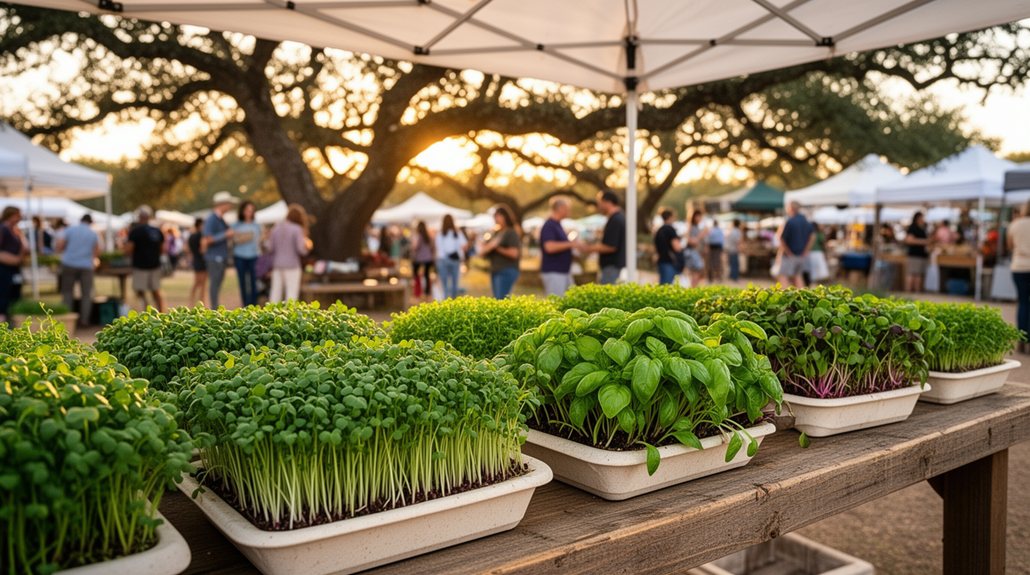
    Does Black Mountain Tailgate Market Run Year-Round or Only During Certain Seasons?

    Black Mountain Tailgate Market runs seasonally, not year-round. You’ll want to plan around their active months so you’re ready when your community shows up to buy local.