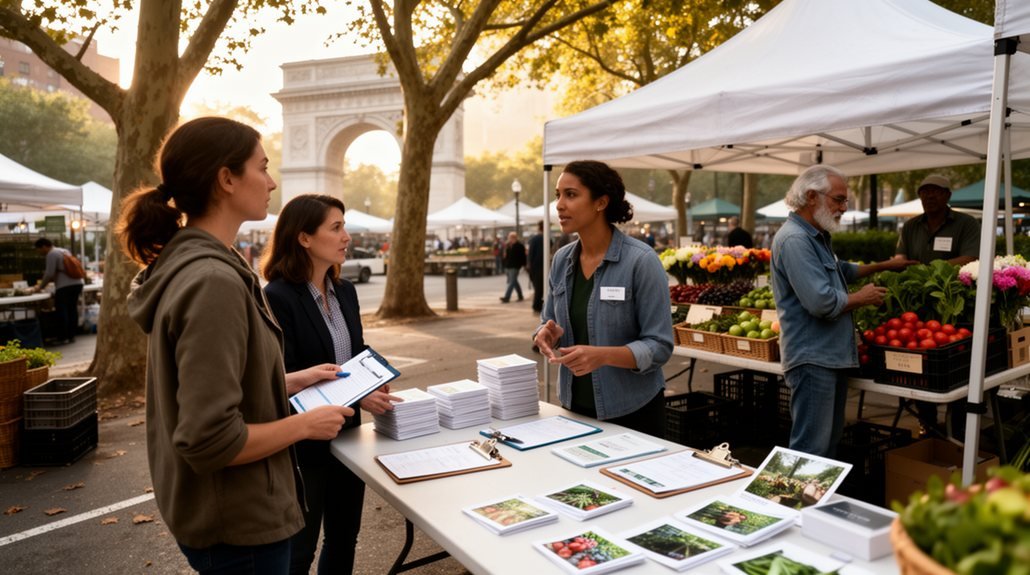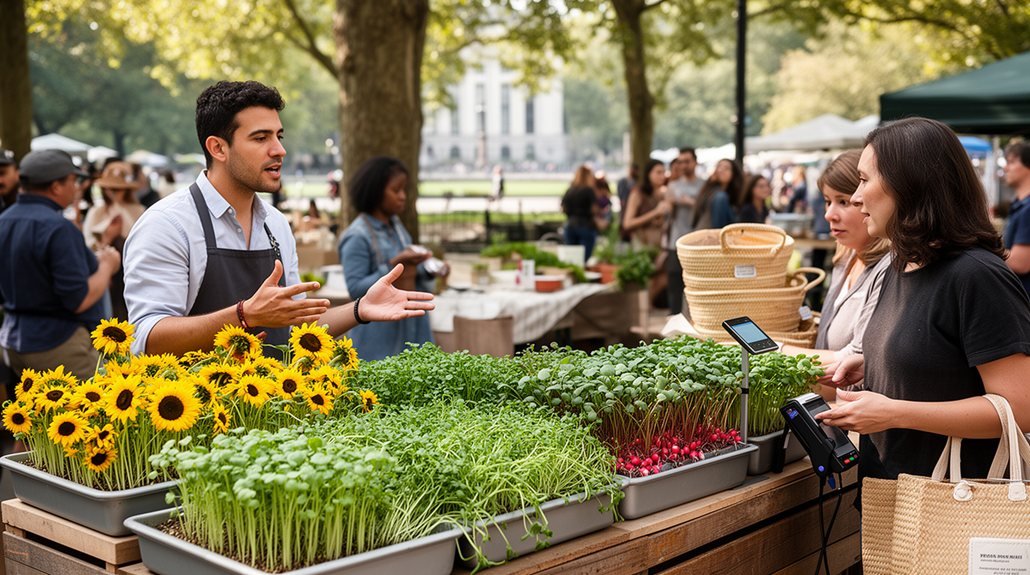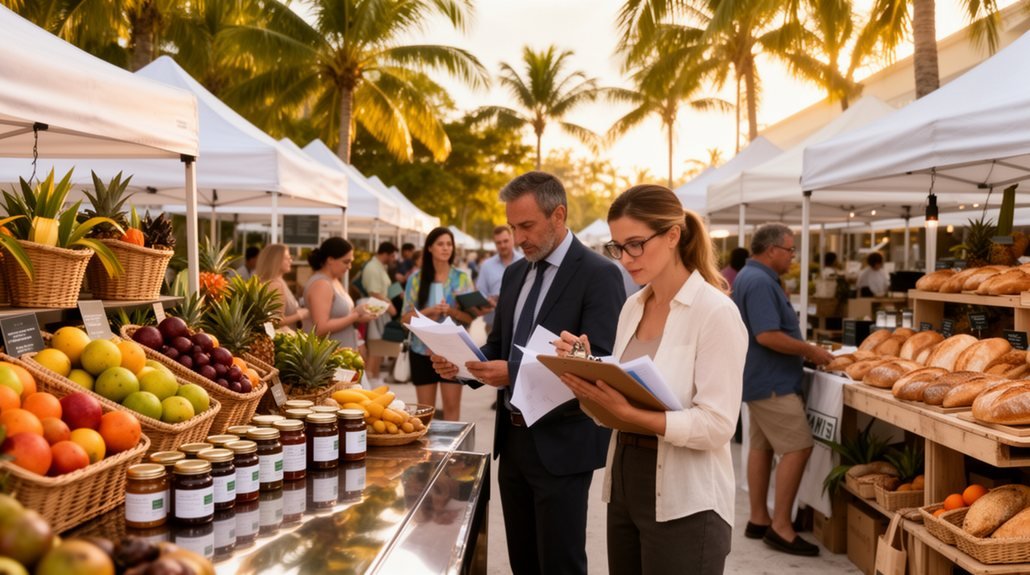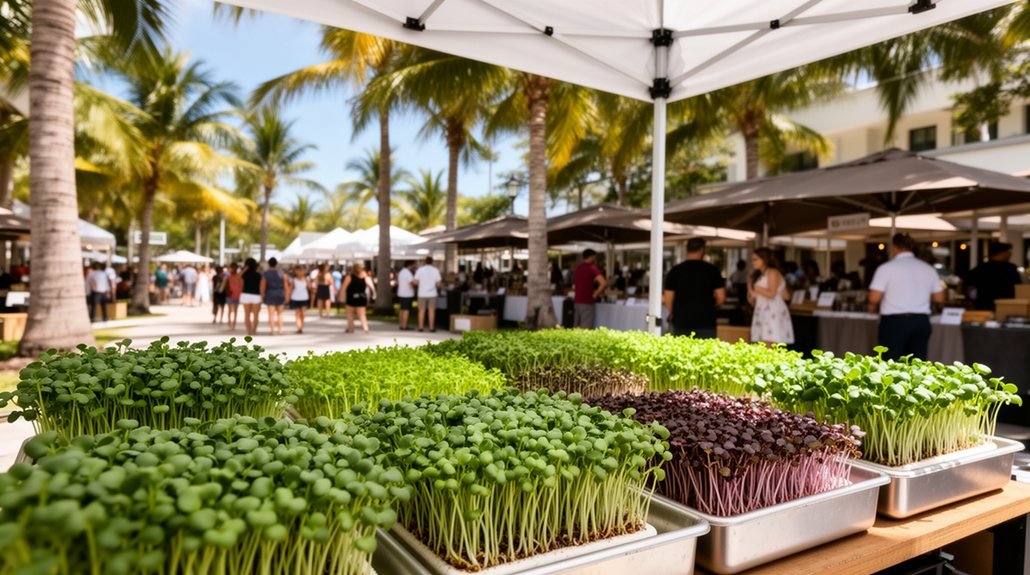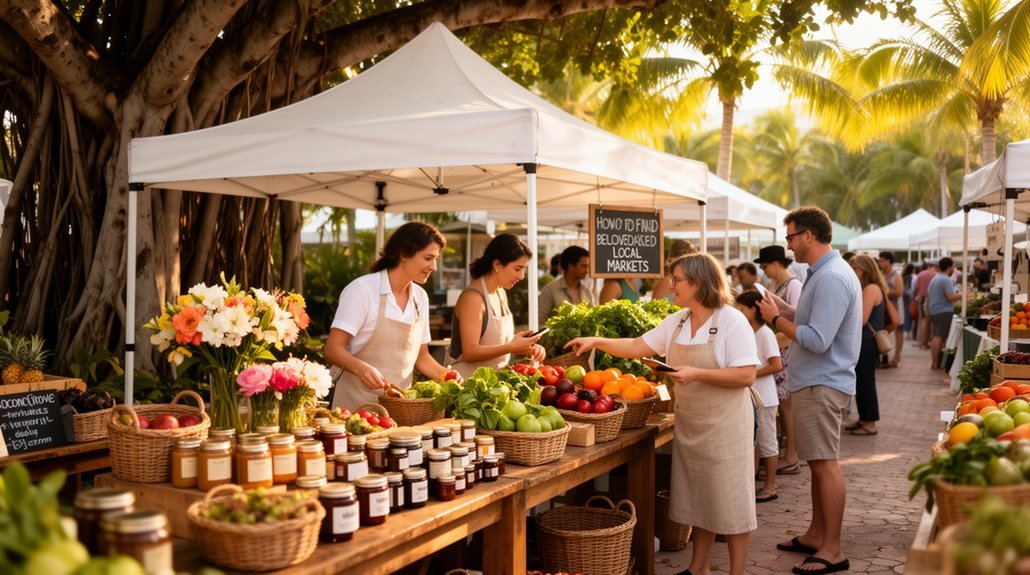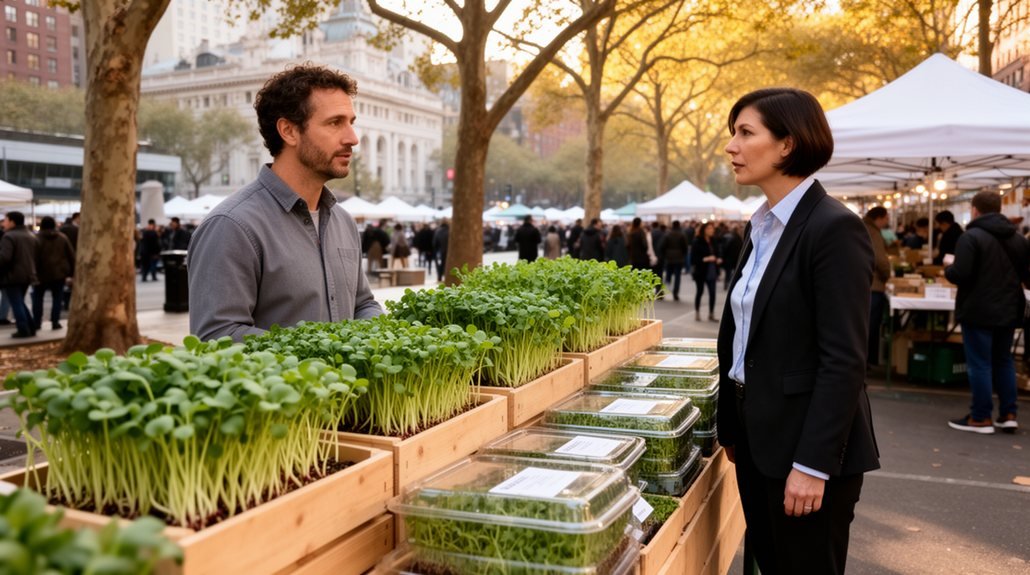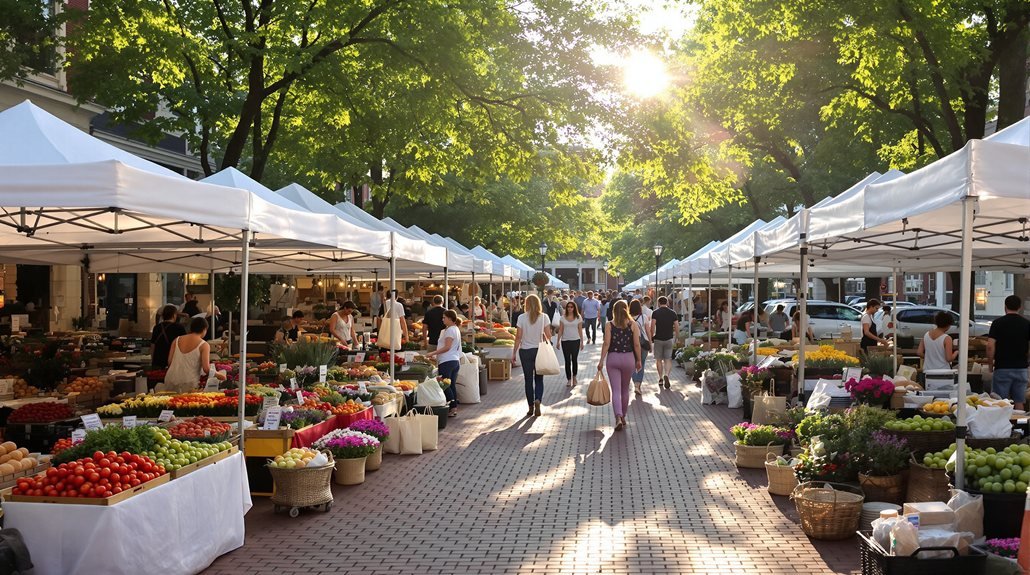
To get a vendor spot at Charlottesville City Market, visit the market first as a customer on any Saturday from 7am to 12pm in downtown Charlottesville. Observe the vendor mix, note the gaps, then get the rules document from Charlottesville Parks and Recreation. You’ll need a business license, liability insurance, and proof you grew or made what you’re selling. Applications open in late winter, and missing that window costs you a full year. Keep going to see exactly where the real opportunities are.
Key Takeaways
- Visit the market as a customer first to observe vendor gaps, confirm microgreens are under-represented, and strengthen your application pitch.
- Obtain the City of Charlottesville Parks and Recreation market rules document and read it fully before applying.
- Prepare proof of production, farm address, photos, business license, and liability insurance before submitting your application.
- Apply in late winter before the spring deadline; missing the window means waiting an entire year to reapply.
- Emphasize market fit in your vendor pitch, highlighting how specialty microgreens fill the identified gap in fresh produce.
What should you know about Charlottesville City Market before you apply?
Charlottesville City Market ranked 4th nationally in the 2025 America’s Farmers Market Celebration with 3,170 votes.
That number reflects a customer base that shows up and spends money.
Knowing who those customers are and what’s already selling tells you exactly where your microgreens fit.
What Makes Charlottesville City Market Different From Other Virginia Markets
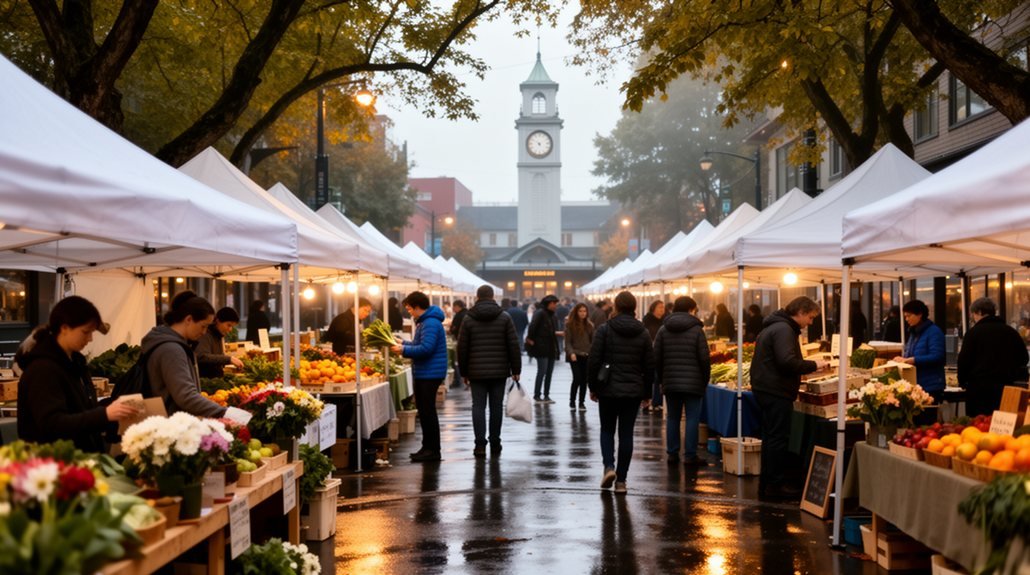
Located in downtown Charlottesville, this market runs every Saturday from 7am to 12pm starting in April. It pulled 3,170 votes in the 2025 America’s Farmers Market Celebration, landing 4th nationally.
That ranking matters. It tells you the customer base is active and loyal.
The University of Virginia sits just blocks away. That means your typical shopper is educated, health-conscious, and willing to pay for specialty produce.
Most Virginia markets skew toward commodity vegetables and staple goods. Charlottesville City Market draws buyers who already know what microgreens are and why they want them.
As a Charlottesville City Market vendor, you’re not educating a skeptical crowd. You’re meeting demand that’s already there. That’s a different starting position than most markets in the state.
Who Shops There and What They Actually Buy
Knowing the customer base is just as vital as knowing the application process. Charlottesville City Market sits in a university town. University of Virginia draws faculty, researchers, and graduate students who shop with intention.
These shoppers read labels. They ask where food comes from. They pay more for specialty and local produce when the quality is clear.
That matters for meeting Charlottesville City Market vendor requirements. The market rewards vendors who match the crowd. A microgreens table fits this customer’s mindset exactly.
Most shoppers here are buying for health, not habit. They’re looking for things they can’t find at a grocery store. Microgreens land in that gap every time.
Show up as a producer with a story. That’s what this customer base responds to.
What does the vendor mix look like at Charlottesville City Market?
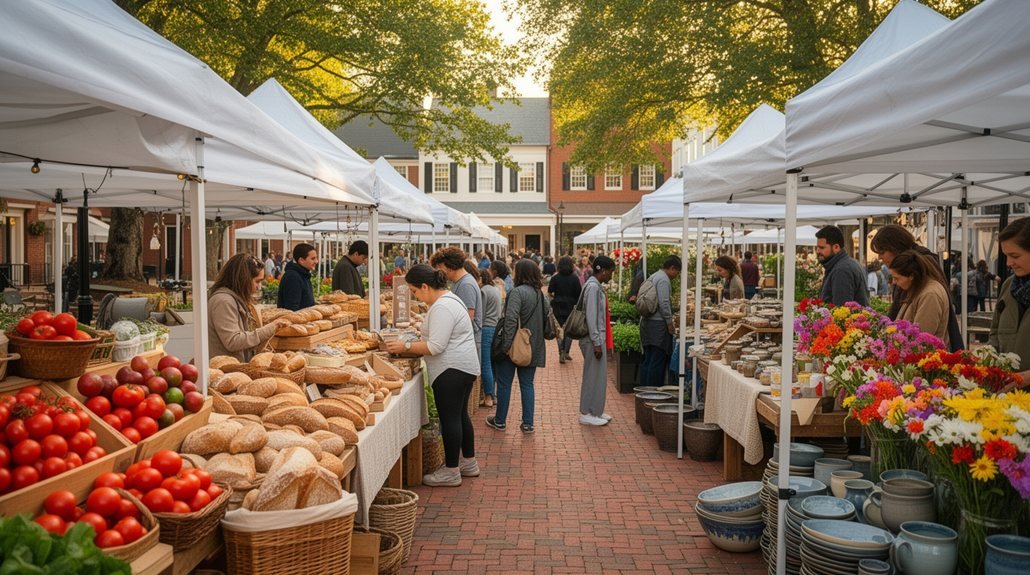
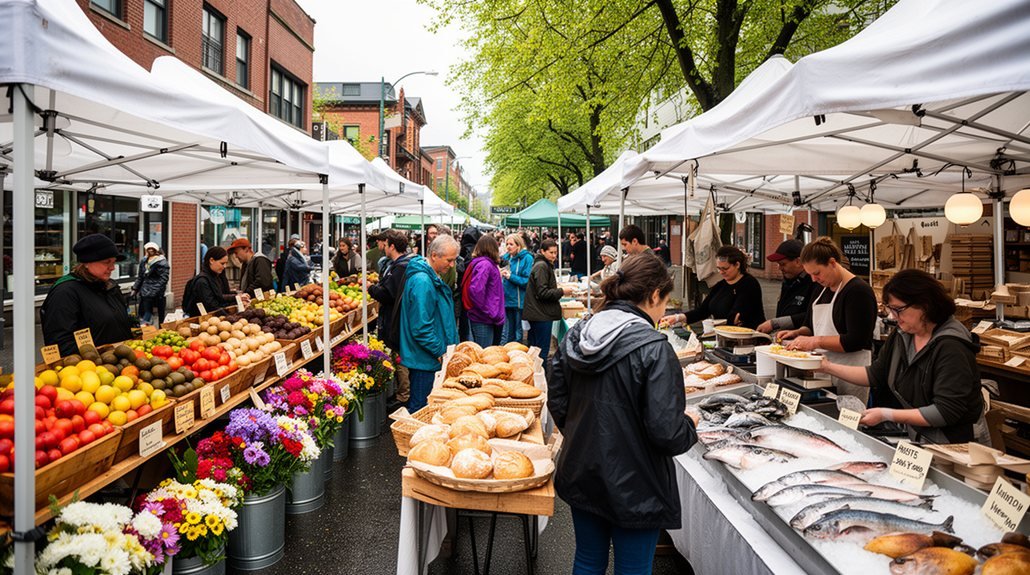
Charlottesville City Market leans heavily toward prepared food and baked goods vendors. That category dominates the vendor mix and leaves specialty produce under-represented.
That gap is exactly where a microgreens vendor fits.
Which categories are overrepresented at Charlottesville City Market
The vendor mix at Charlottesville City Market skews heavily toward prepared food and baked goods. Kettle corn, pastries, jams, and hot food vendors hold a strong presence every Saturday.
Craft and artisan goods take up another large share of the floor space. These categories are well-established and competitive.
Fresh produce vendors exist, but specialty items like microgreens are under-represented. That gap matters when you’re reviewing Charlottesville market vendor requirements and building your application case.
The market’s customer base is educated and health-conscious. They’re already looking for what most vendors aren’t bringing.
If your product fills a visible gap, your application stands on stronger ground. Know the floor before you apply.
Where the gap is for specialty produce vendors
Specialty produce makes up a fraction of the vendor floor at Charlottesville City Market. Prepared food and baked goods dominate the mix.
That imbalance is your opening. Shoppers there are educated, health-focused, and already looking for something beyond bread and jam.
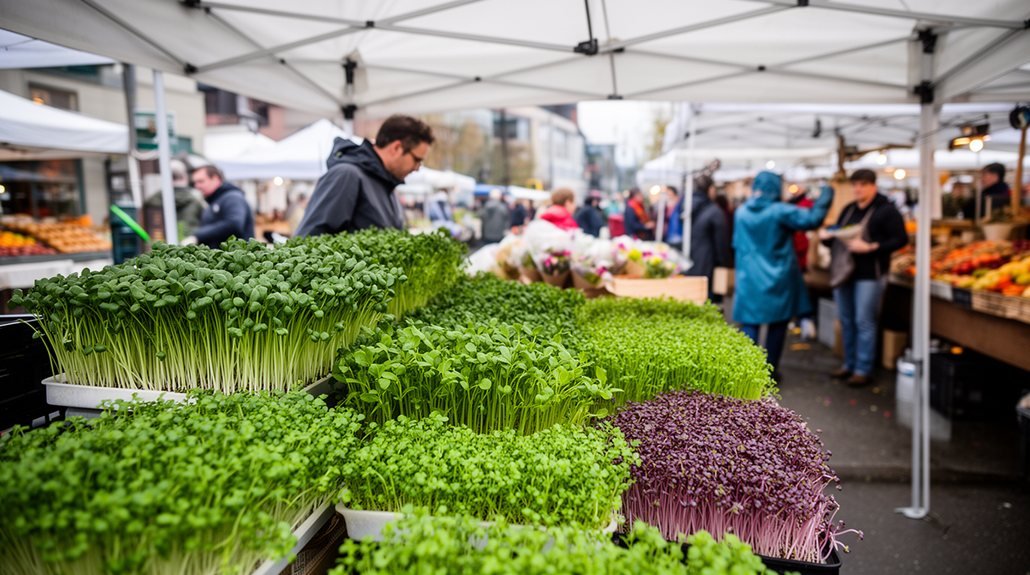
Microgreens fit that gap directly. You’re not competing against ten other microgreens vendors. You’re stepping into a space that’s largely empty.
Dr. Booker T. Whatley’s framework says know your customer before you choose your market. Visit Charlottesville City Market as a customer first. Watch what sells and where the holes are.
That gap is your angle when you submit your Charlottesville City Market application. Name it clearly. Show them you’ve done the work.
What does the Charlottesville City Market vendor application process involve?

Charlottesville City Market opens applications in late winter for the spring season.
You need to have your documentation, product list, and insurance ready before that window opens.
Missing the deadline means waiting a full year.
What the market requires before you submit an application
Before you fill out anything, get the market rules document from the City of Charlottesville Parks and Recreation Department. That document sets the baseline for every Charlottesville farmers market vendor application.
Read it fully before you do anything else. Rules cover product eligibility, producer requirements, and fee structures.
You must sell only what you grow or make yourself. Reselling isn’t allowed. Microgreens qualify as a producer crop, but you’ll need to show proof.
Have your business license and liability insurance ready. The market requires both before your application is reviewed.
Applications open in late winter for the April season start. Missing that window means waiting a full year. Know the deadline before you start building your paperwork.
What the selection process looks like
Once you submit, the market staff reviews your application against vendor eligibility rules. They check that your products are producer-grown and that your farm is located within Virginia.
Charlottesville City Market gives priority to vendors whose products fill gaps in the current mix. Specialty produce is one of those gaps. That works in your favor if you’re selling microgreens.
Staff may contact you for additional documentation. Have your farm address, production photos, and product list ready to send quickly.
Acceptance isn’t guaranteed even if you meet all requirements. The market controls vendor numbers by category. If your category is full, you may be placed on a waitlist for the next available season.
Apply early. Late applications have less room to compete.
What do microgreens vendors specifically need to know about Charlottesville City Market?

Charlottesville City Market pulls a well-educated, health-conscious crowd from the University of Virginia area.
That customer base spends on specialty produce, and microgreens fit that demand directly.
Knowing what sets successful vendors apart here will help you position your application and your table correctly.
Why Charlottesville City Market’s customer base is a strong match for specialty greens
Most farmers markets attract general shoppers.
Charlottesville City Market draws University of Virginia faculty, graduate students, and health-focused residents who already know what microgreens are.
That matters when you’re selling specialty produce. You spend less time explaining and more time closing.
This customer base reads labels. They ask sourcing questions.
They pay premium prices for quality local food.
Microgreens at Charlottesville City Market fit this crowd naturally. You’re not introducing a foreign concept. You’re meeting a demand that’s already there.
The market pulled 3,170 votes in the 2025 America’s Farmers Market Celebration.
That vote count reflects an engaged, loyal customer base.
Those are the people standing at your table every Saturday morning.
What sets successful vendors apart at Charlottesville City Market
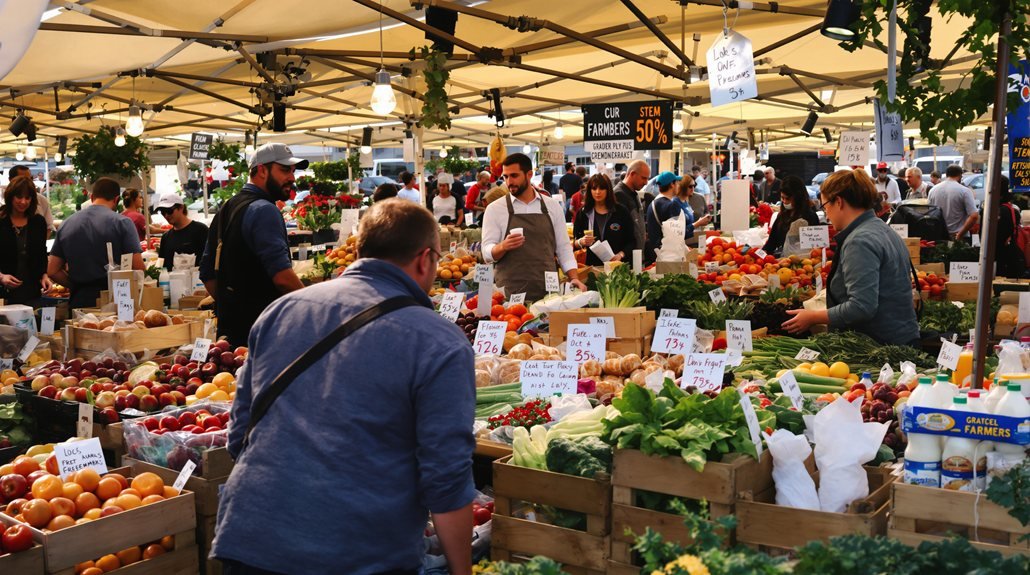
Walk the market on a Saturday before you apply. Show up by 7am and stay until close. Watch which vendors draw lines and which tables sit quiet.
Charlottesville City Market runs downtown from 7am to 12pm starting in April. The vendor mix leans heavily toward prepared food and baked goods. Specialty produce, including microgreens, is under-represented.
That gap is your opening as a Charlottesville City market vendor. Dr. Booker T. Whatley’s framework is direct: know your customer before you choose your market. Visit first, identify the gap, then apply with that knowledge built into your pitch.
Applications open in late winter. Come in knowing what the market is missing. That’s what separates vendors who get approved from vendors who get waitlisted.
How do you find Charlottesville City Market and locate other markets like it near you?
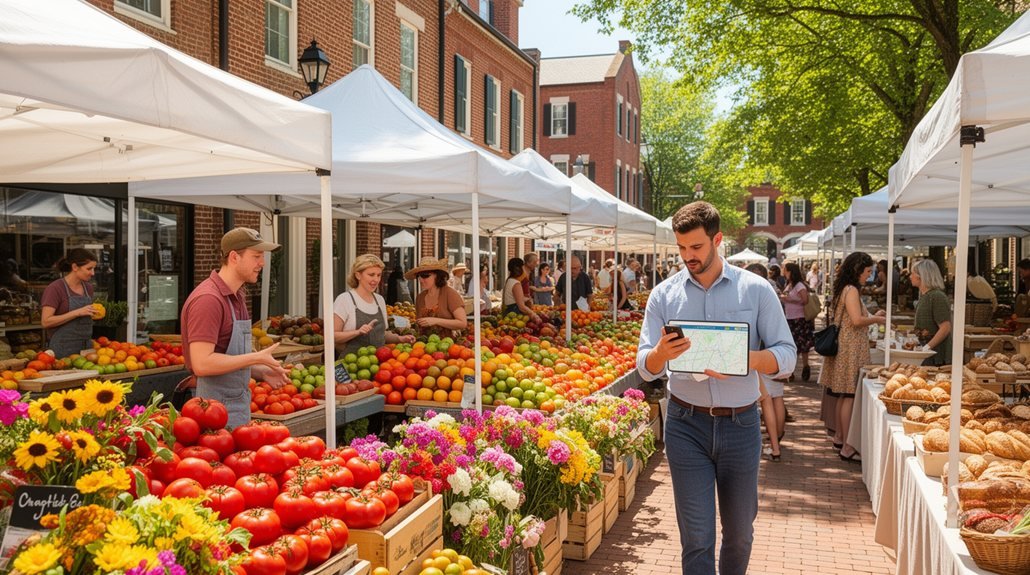
You’ve covered Charlottesville City Market. Now you need a way to find comparable markets across Virginia. The MGW Farmers Market Finder covers 7,842 USDA-verified markets searchable by zip code, city, or state. Before you apply anywhere, you need to know what to look for so you don’t waste an application on the wrong market.
Using the MGW Market Finder to scout markets in Virginia
Every market in Virginia is searchable through the MGW Farmers Market Finder at markets.microgreensworld.com.
The tool pulls from USDA data covering 7,842 markets across all 50 states. Search by zip code, city, or state to pull up options near you.
Type “Charlottesville” or the 22902 zip code to find Charlottesville City Market directly. You’ll see location details, operating days, and season information in one place.
From there, filter by state to compare other Virginia markets. Look at size, schedule, and vendor categories before you commit to an application.
You want to find markets where specialty produce is thin on the ground. That gap is where a microgreens vendor fits. The Finder gives you the data to spot it fast.
What to look for before you apply to any Virginia market
Before you apply anywhere, look at three things: vendor mix, customer profile, and specialty produce gaps.
At Charlottesville City Market, prepared food and baked goods dominate the vendor mix. Specialty produce, including microgreens, is under-represented.
That’s the gap. That’s how to get into Charlottesville City Market without guessing.
Dr. Booker T. Whatley’s framework is simple: know your customer before you choose your market. Visit first as a customer. Watch what sells. Identify what’s missing.
Charlottesville draws a well-educated, health-conscious crowd anchored by the University of Virginia. They buy specialty and local produce when it’s available.
If microgreens aren’t there, you’re not competing. You’re filling a gap.
Apply that same process to every Virginia market before you submit a single application.
Frequently Asked Questions
What Days and Hours Does Charlottesville City Market Operate Each Week?
You’ll find Charlottesville City Market open every Saturday from 7am to 12pm, starting in April. It runs downtown, so plan your visit accordingly.
Is Charlottesville City Market Open Year-Round or Only Seasonally?
Charlottesville City Market runs seasonally, not year-round. You’ll find it open on Saturdays starting in April. If you’re planning to apply as a vendor, watch the application window in late winter before the spring season begins.
How Much Does a Vendor Booth Space Cost at Charlottesville City Market?
Booth fees aren’t listed publicly. You’ll need to request the vendor application packet directly from market management to get current pricing. Contact them through charlottesvillegrowersmarket.com before your season planning starts.
Can Vendors Sell at Charlottesville City Market Without a Business License?
You’ll need a business license to sell at Charlottesville City Market. Check with the City of Charlottesville’s Commissioner of the Revenue before you apply. Most vendors register as a sole proprietor to meet this requirement.
Does Charlottesville City Market Allow First-Time Vendors to Apply Each Year?
Yes, you can apply as a first-time vendor each year. Applications open in late winter for the spring season. If you missed this cycle, mark your calendar now and prepare your application materials before the next window opens.