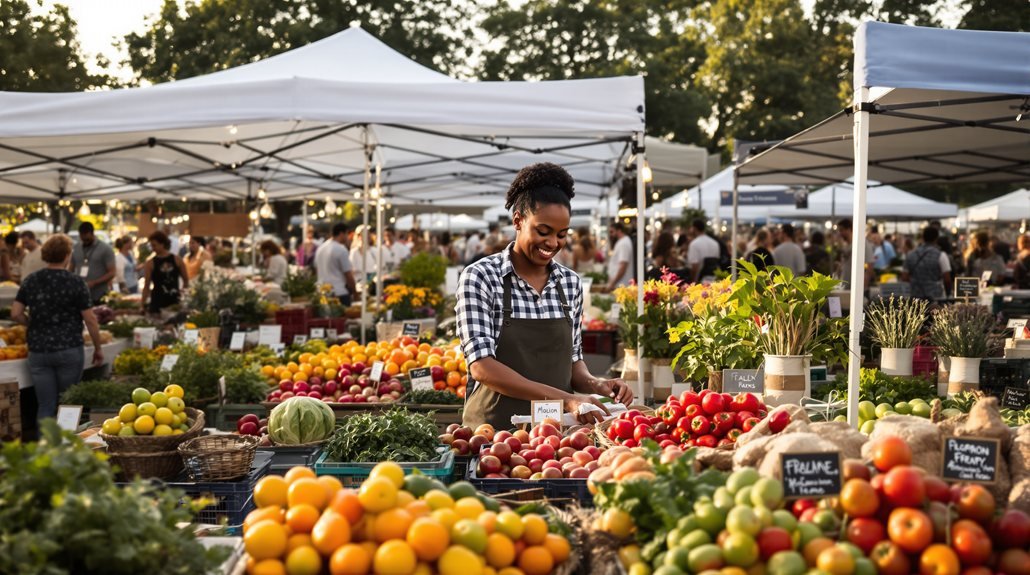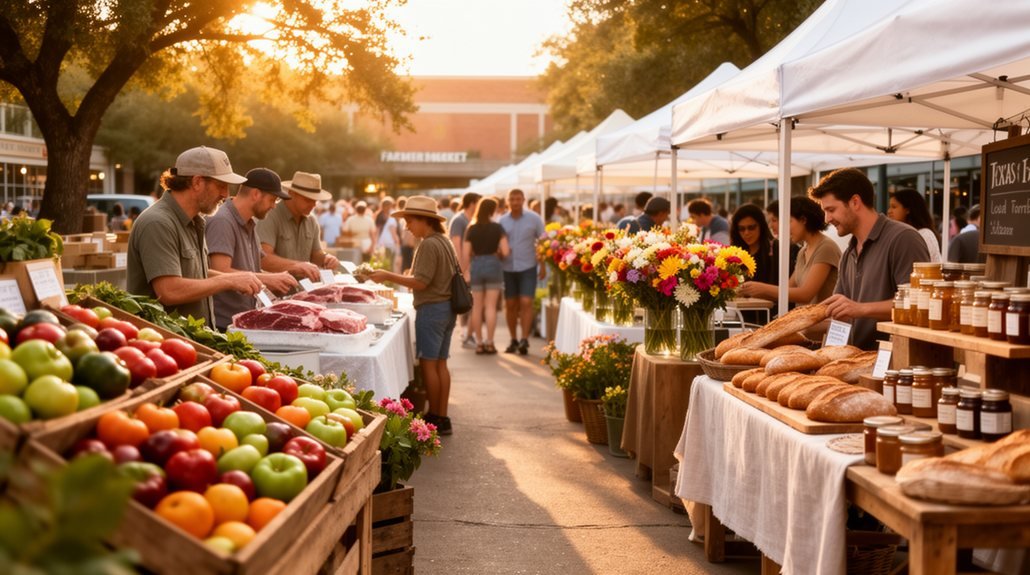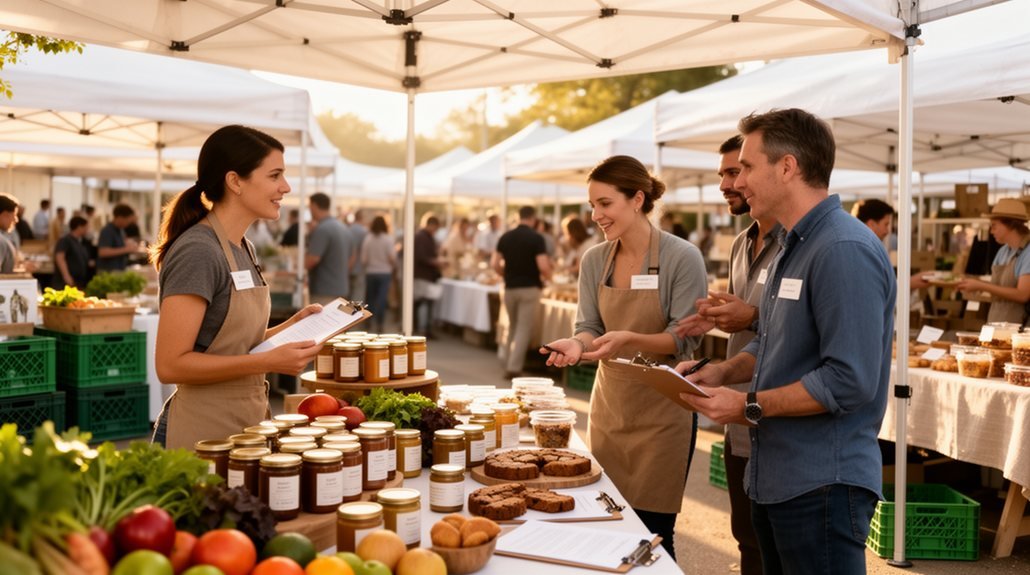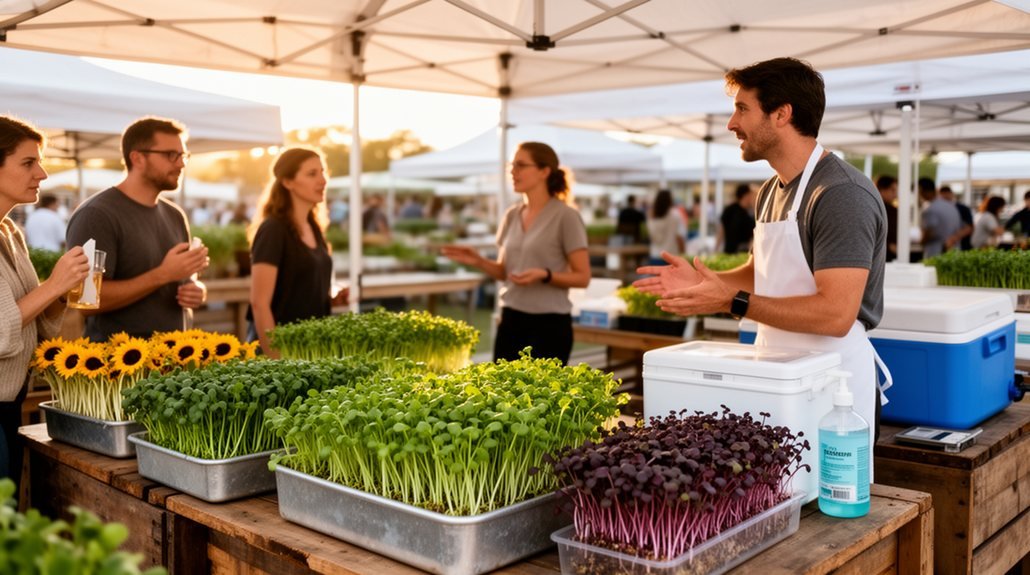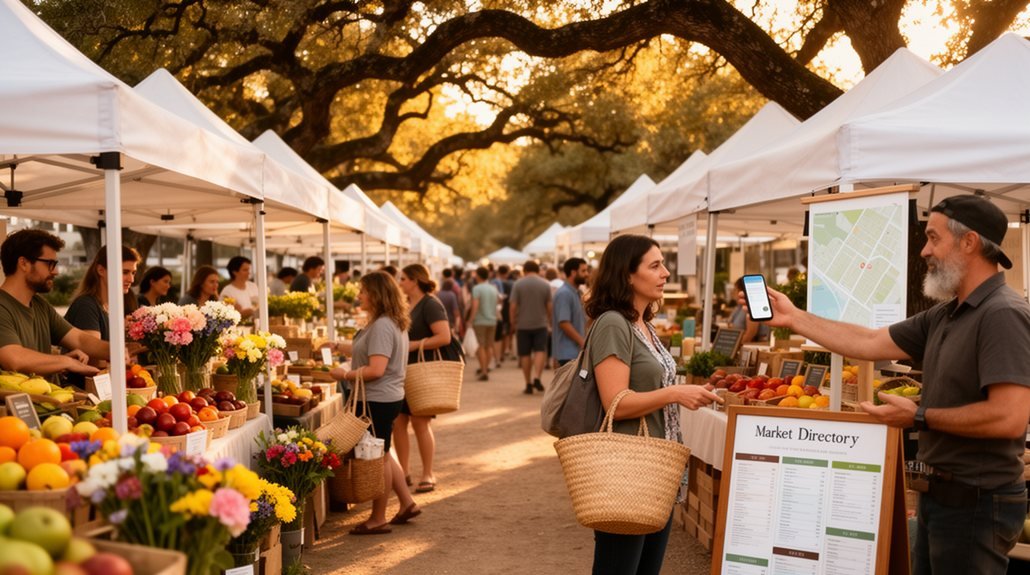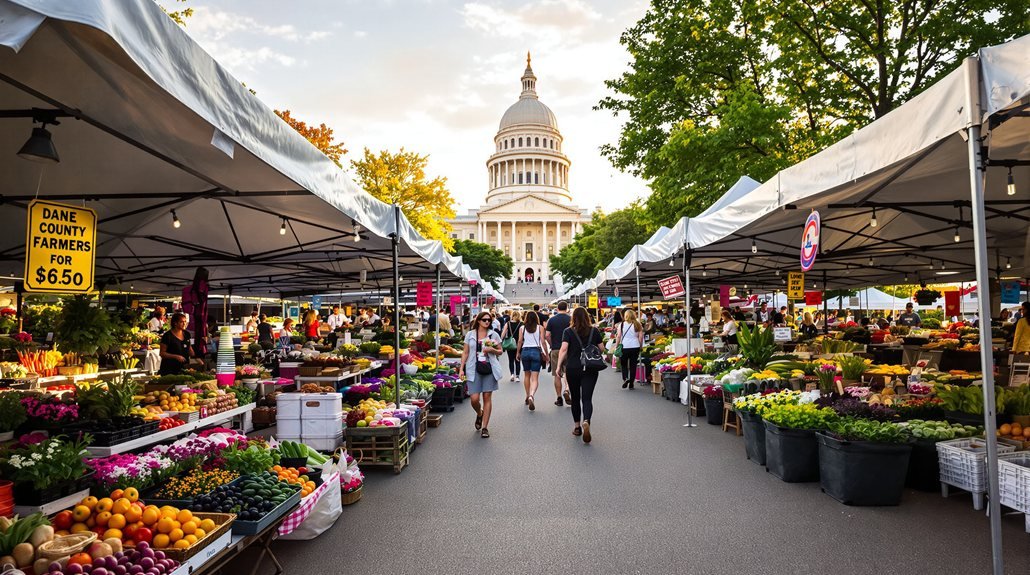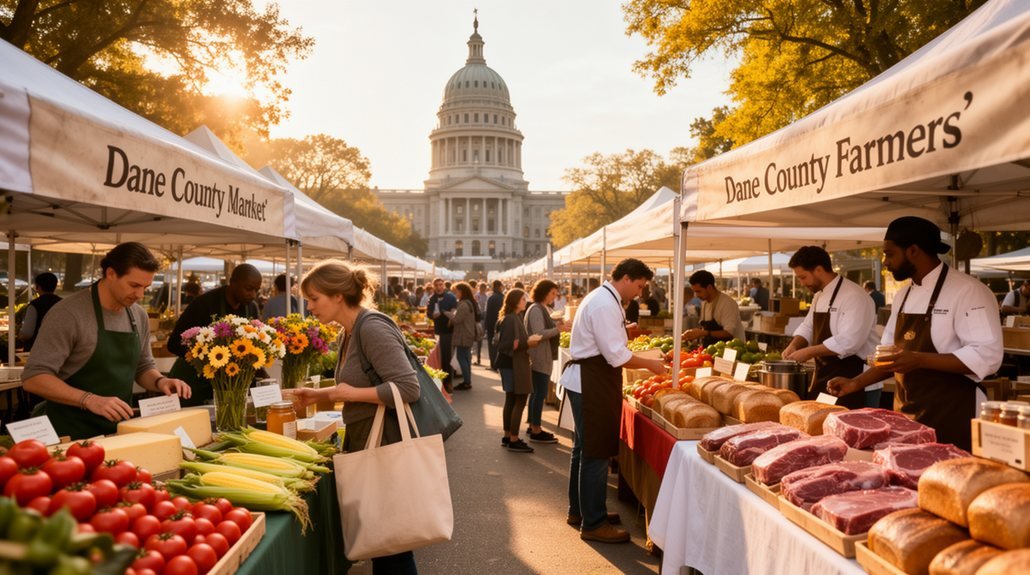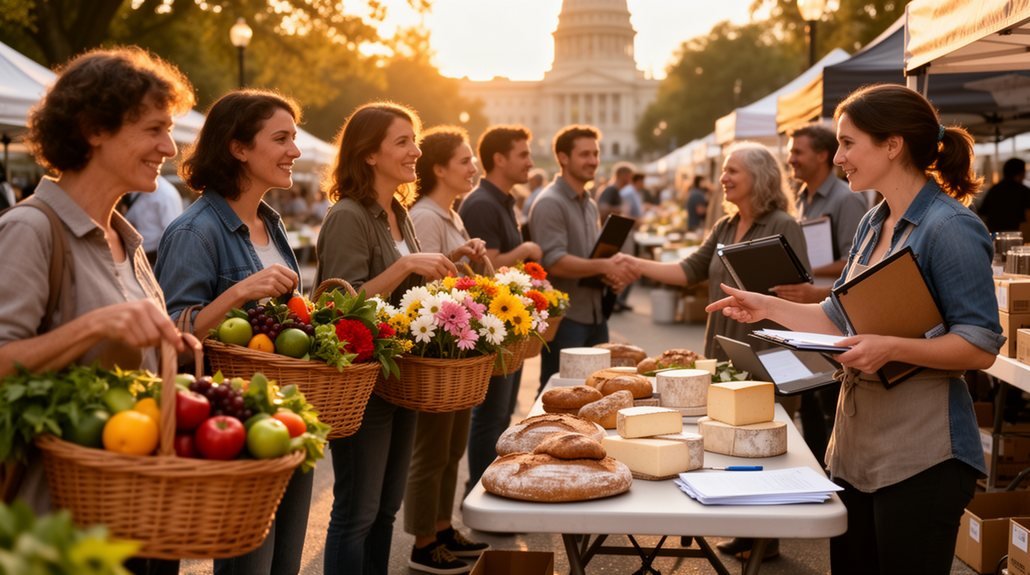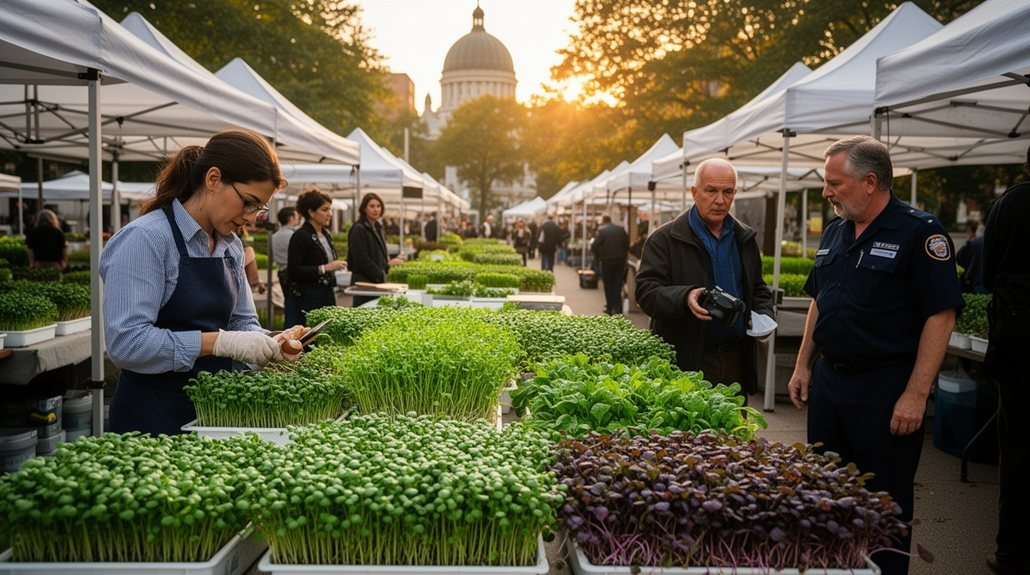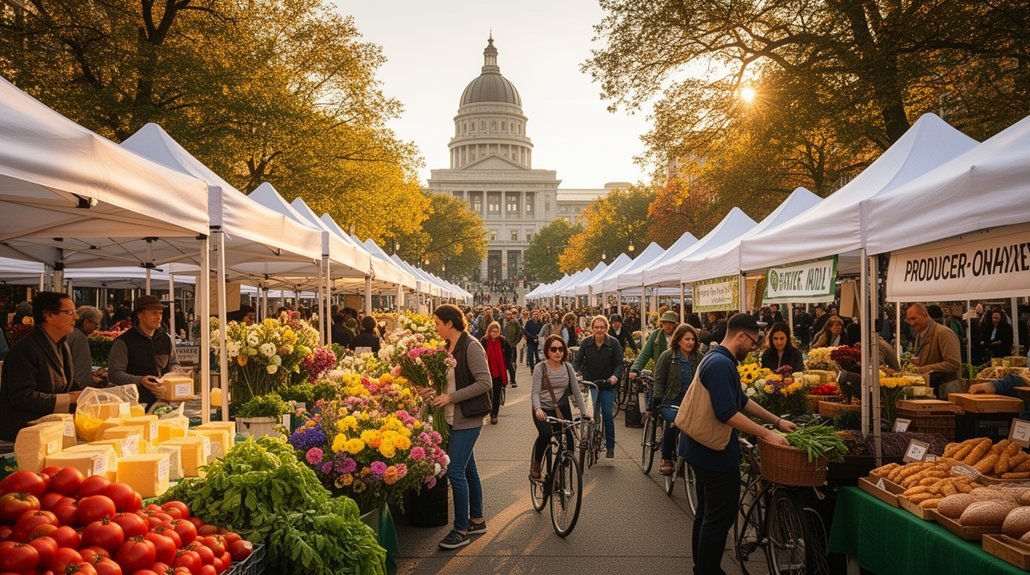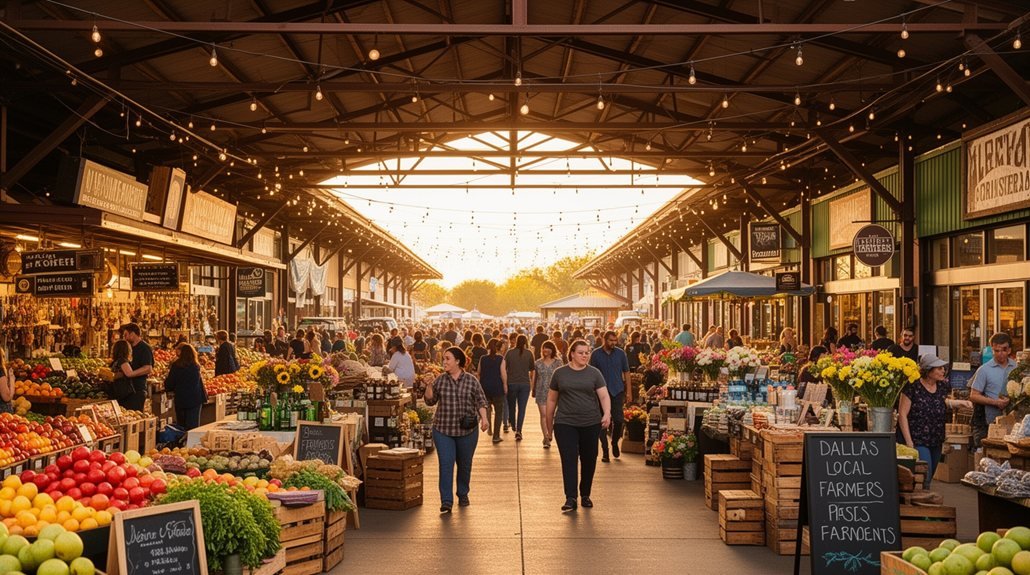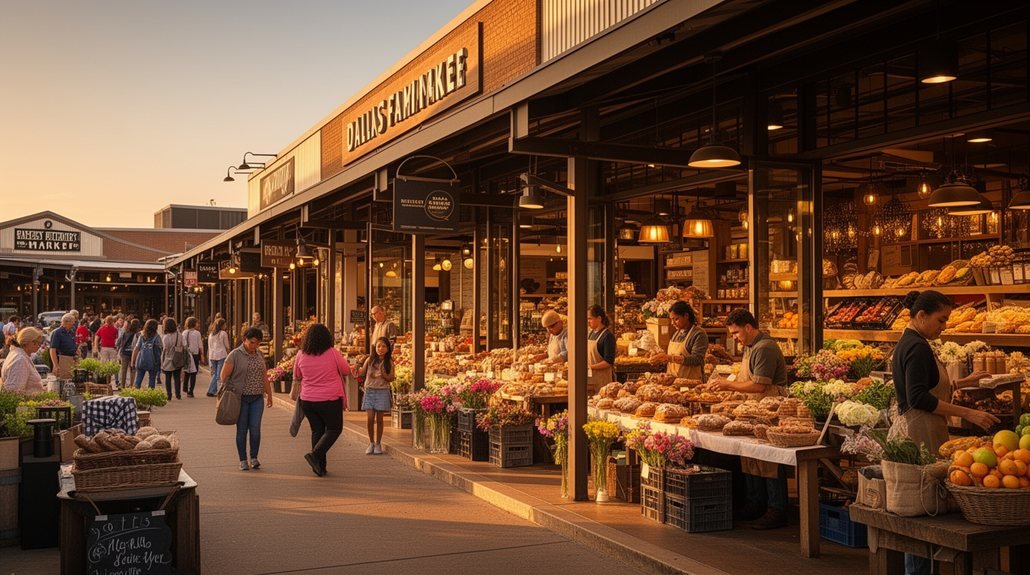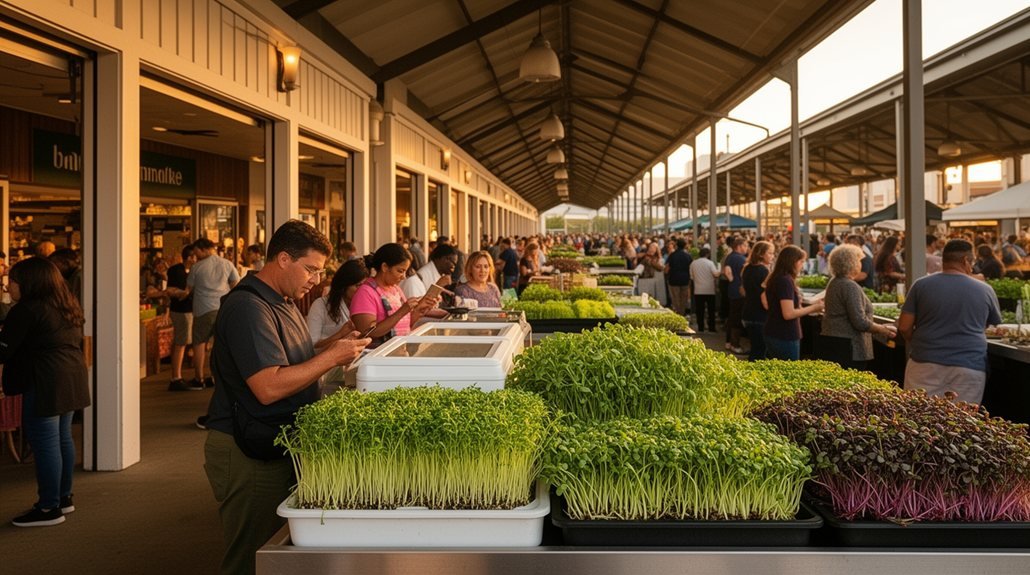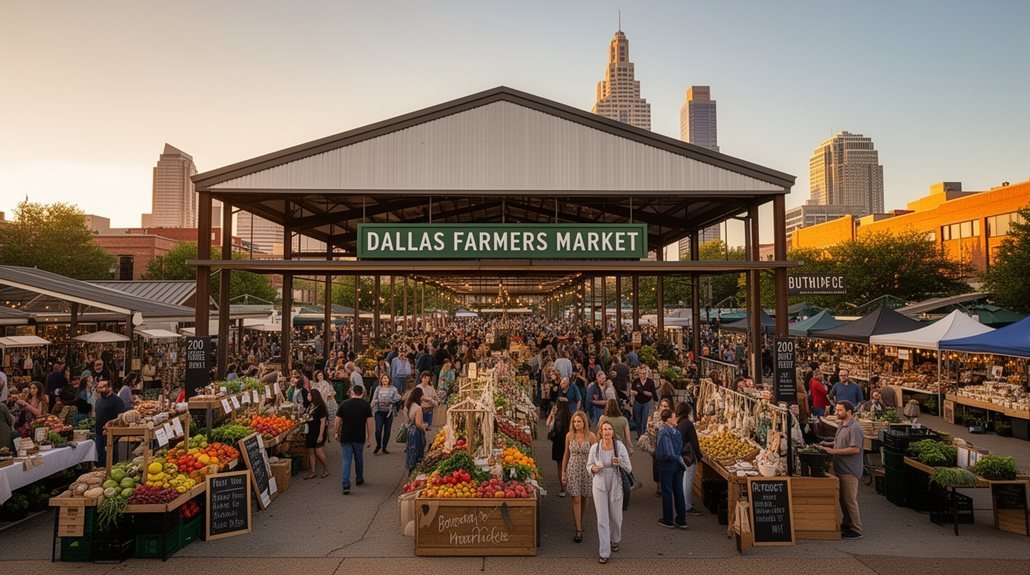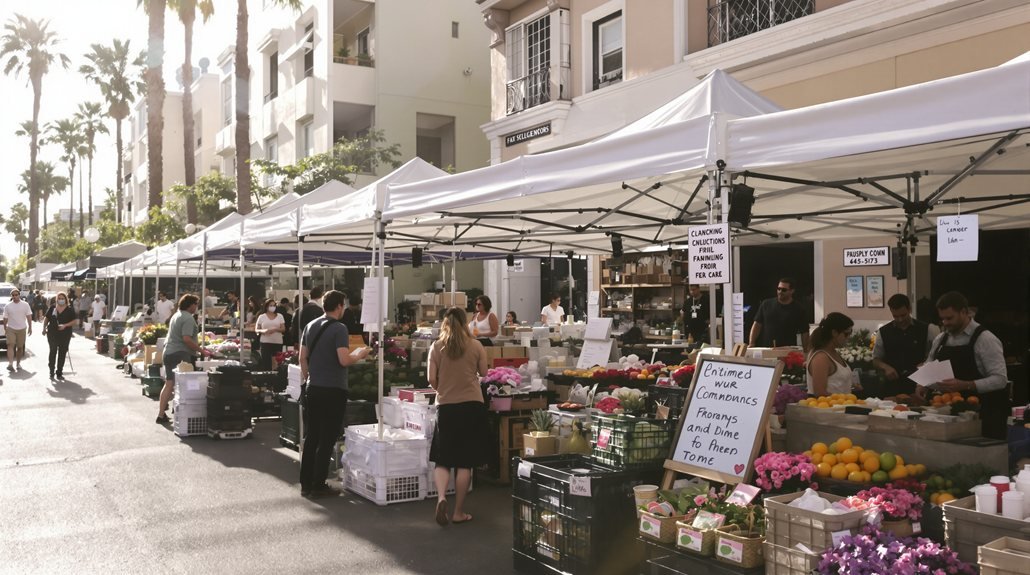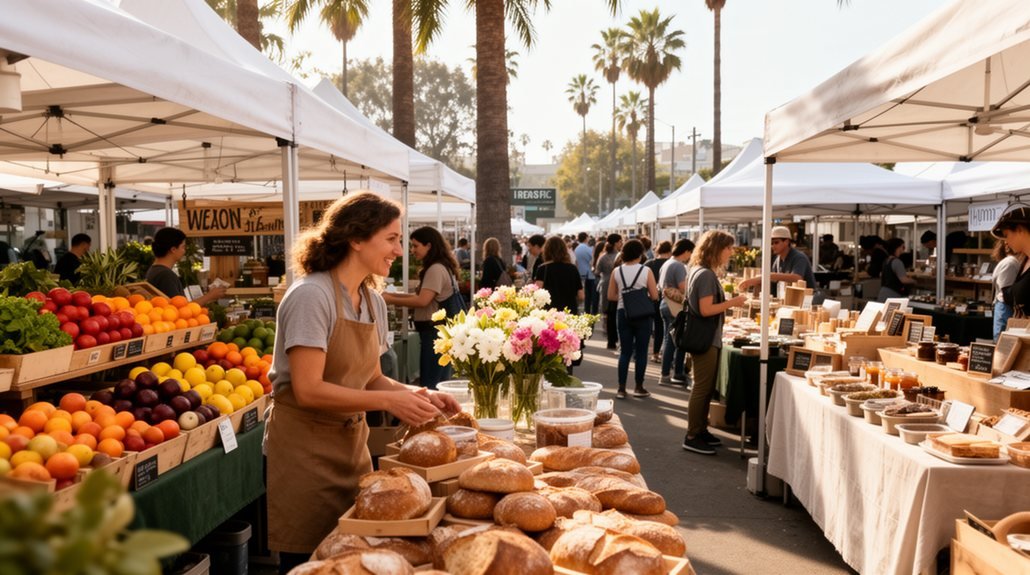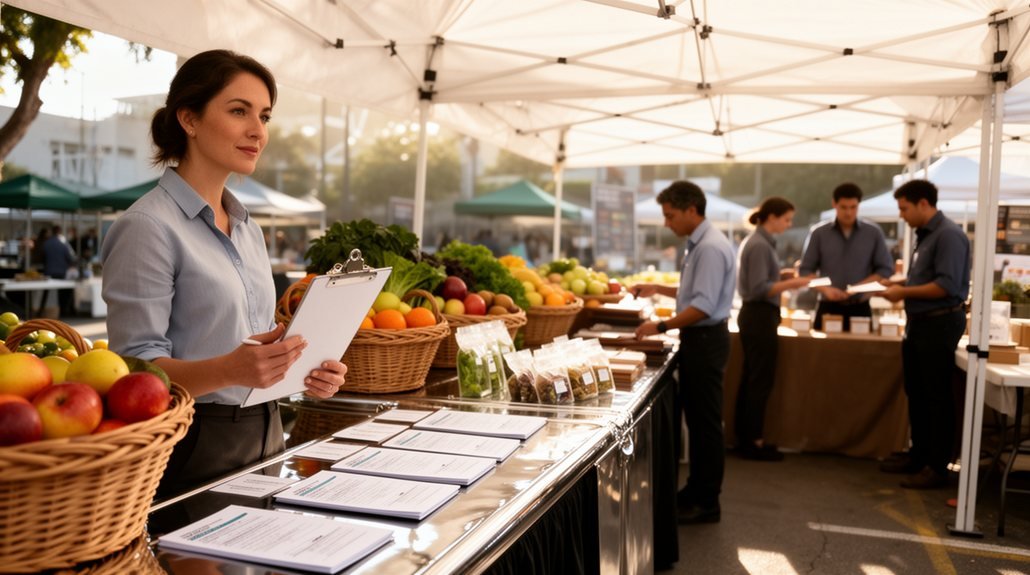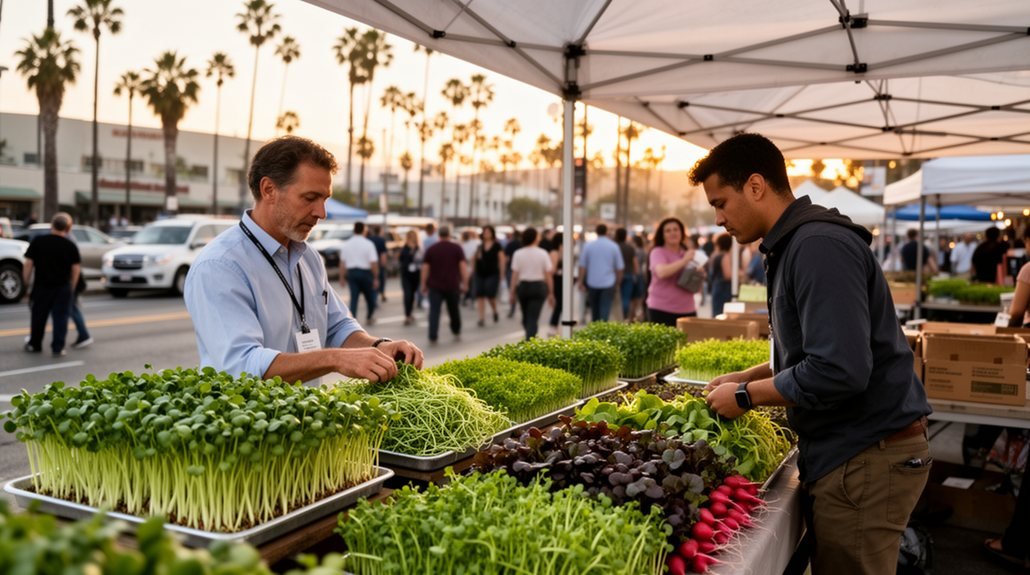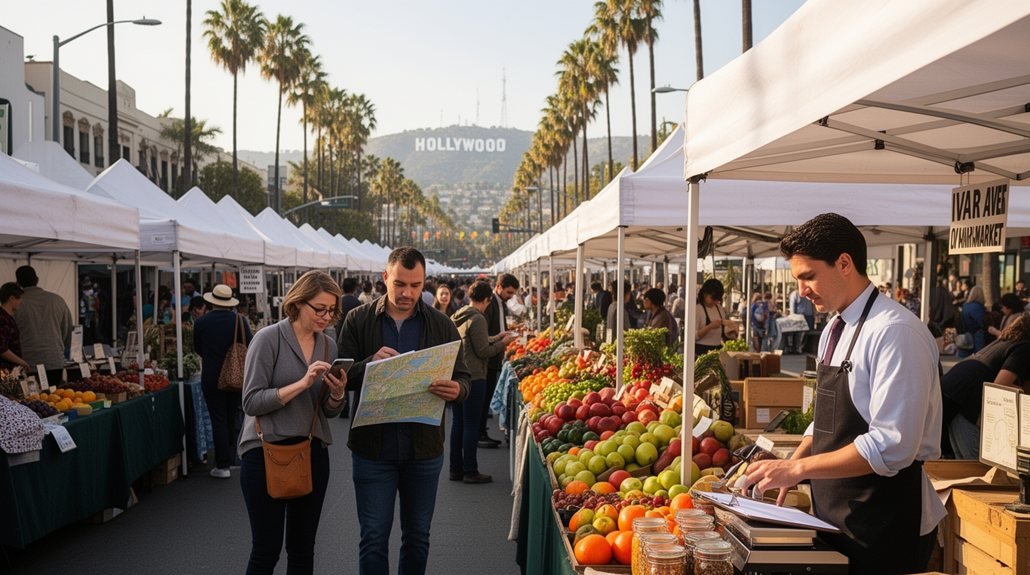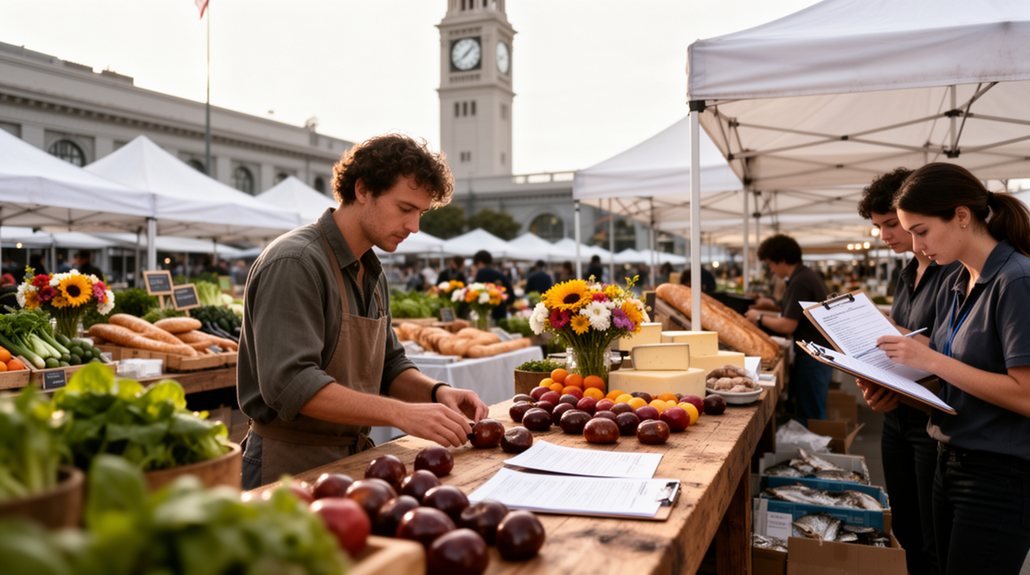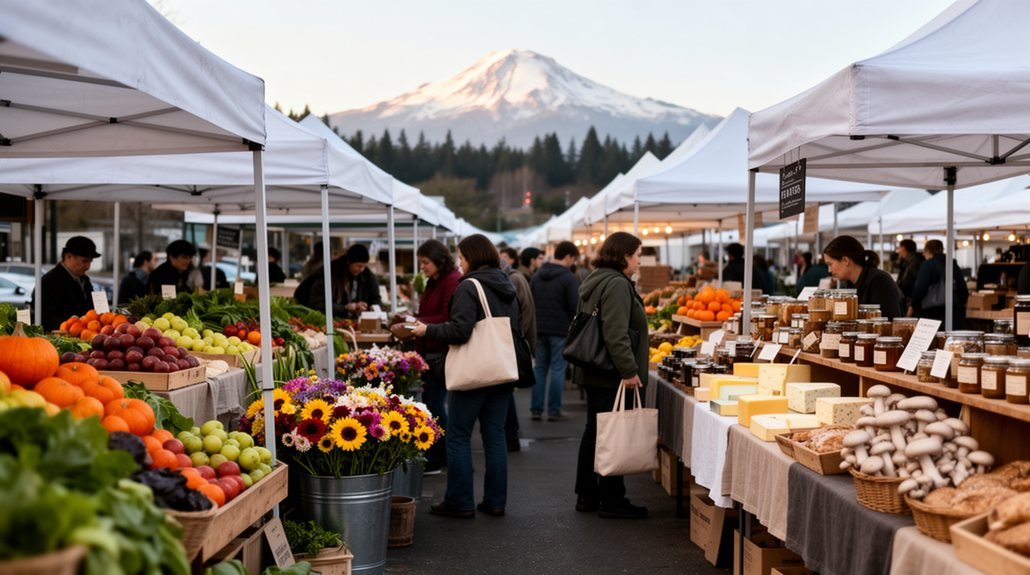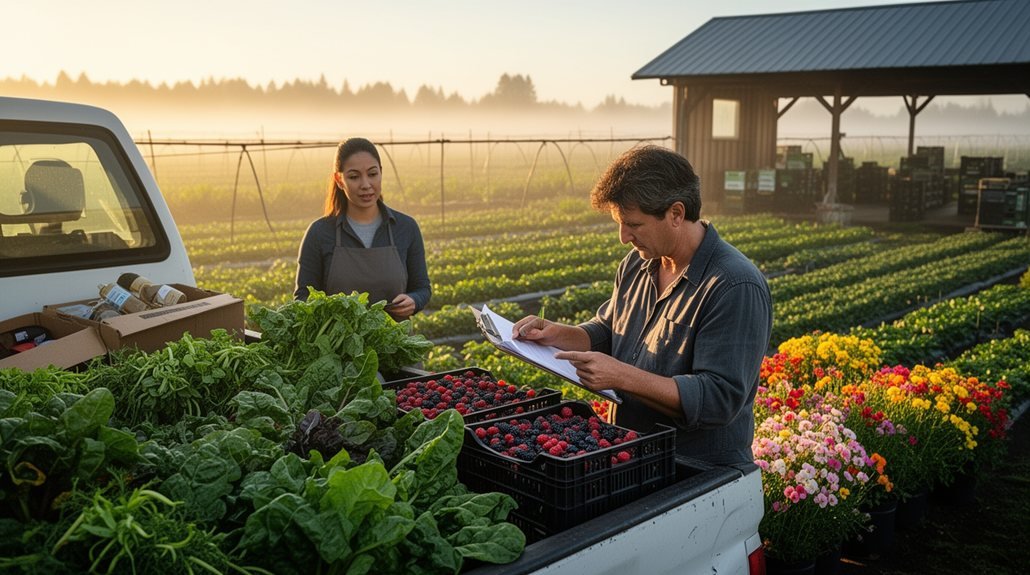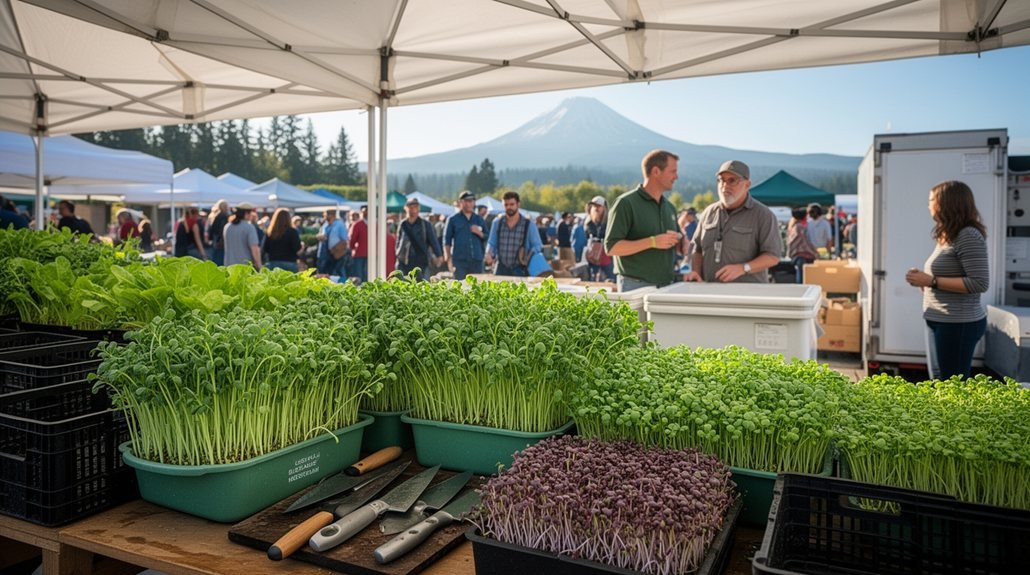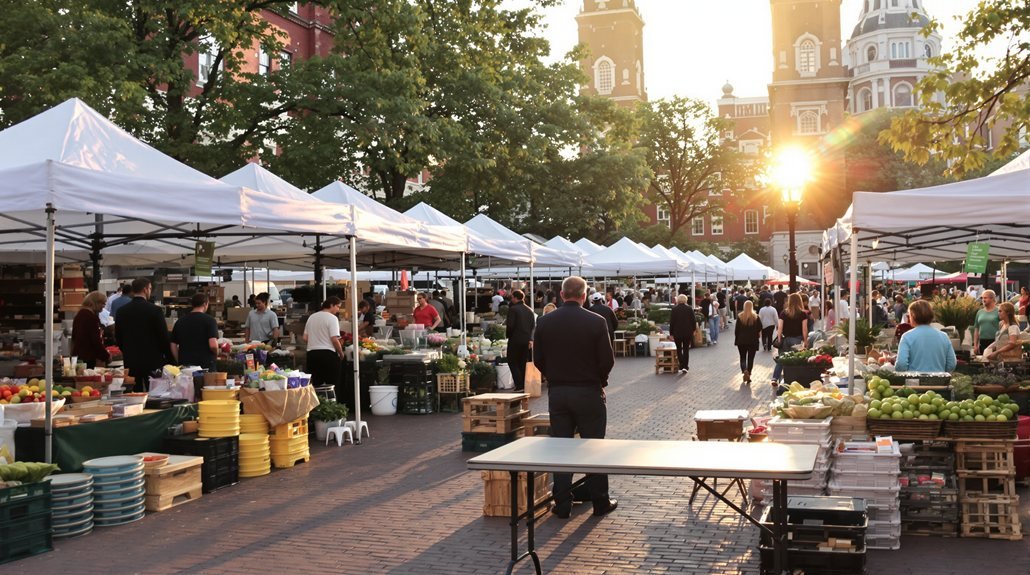
To get a vendor spot at Copley Square Farmers Market, you apply through Mass Farmers Markets. Before you submit, visit the market on a Tuesday or Friday and observe the vendor mix. Specialty produce tables are under-represented — fewer than three are commonly seen. That gap is your angle. Your application needs a business certificate, liability insurance, product photos, and clear descriptions. Get those documents ready first, then keep going — there’s more to cover before you apply.
Key Takeaways
- Copley Square Farmers Market is managed by Mass Farmers Markets; submit your vendor application through that organization to be considered.
- Required documents include a business certificate, liability insurance, food handler certification, product photos, and clear product descriptions.
- Visit the market as a shopper first to observe buyer patterns, product gaps, and which vendor categories are underrepresented.
- Specialty produce and microgreens are underrepresented at Copley Square; highlighting this gap in your application improves selection committee approval chances.
- The market runs Tuesday and Friday from late May through November, drawing office workers and residents with targeted purchase intent.
What should you know about Copley Square Farmers Market before you apply?
Copley Square Farmers Market runs Tuesday and Friday in Boston’s Back Bay from late May through November.
It’s a weekday market, and that changes everything about who shows up and what they buy.
You need to understand that buyer profile before you fill out a single application form.
What Makes Copley Square Farmers Market Different From Other Massachusetts Markets
This market runs on Tuesday and Friday from late May through November in Boston’s Back Bay neighborhood. That weekday schedule changes everything about who shops there.
You’re not selling to weekend browsers. You’re selling to office workers, Back Bay residents, and city shoppers making quick lunch or dinner decisions.
That buyer profile matters if you want to become a Copley Square Farmers Market vendor. People here shop fast and shop with purpose.
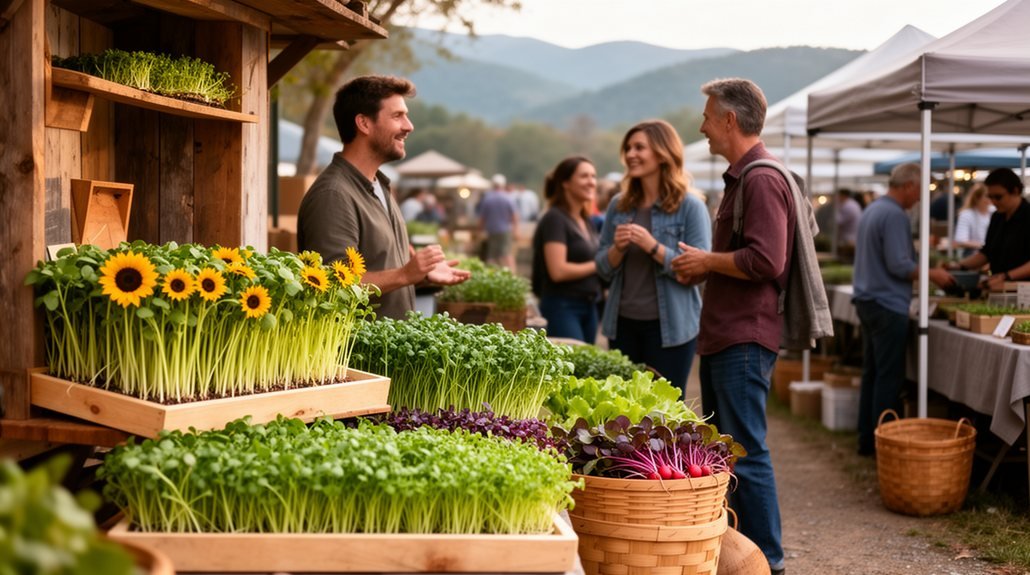
Specialty produce fits that pattern. Microgreens are a targeted buy for health-conscious urban shoppers who already know what they want.
Mass Farmers Markets manages this location. That’s the organization you’ll work with through the application process.
Who Shops There and What They Actually Buy
The buyer profile at this market isn’t random. You’re selling to Back Bay office workers, local residents, and city shoppers who stop by Tuesday and Friday during lunch or after work.
These aren’t weekend browsers. They make fast, targeted purchases. They know what they want before they arrive.
Microgreens fit this buyer directly. Health-conscious urban shoppers look for specialty produce they can’t get at a standard grocery store. That’s your opening.
Watch what moves on a Tuesday versus a Friday. The after-work crowd on Friday tends to buy for weekend meals. The midday Tuesday crowd buys for that same night.
Being a vendor here means knowing these patterns before your first market day. Visit before you apply.
What does the vendor mix look like at Copley Square Farmers Market?
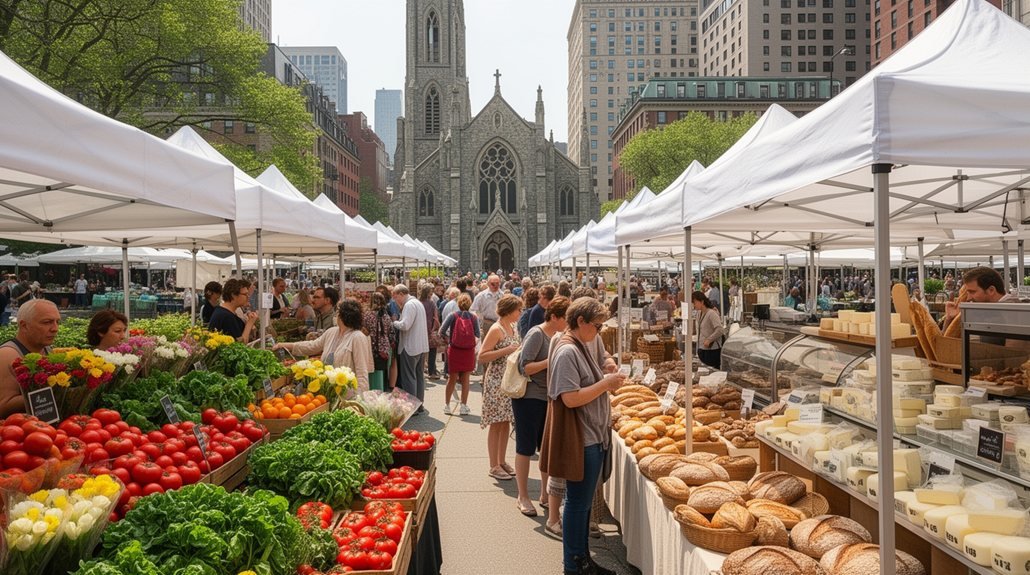
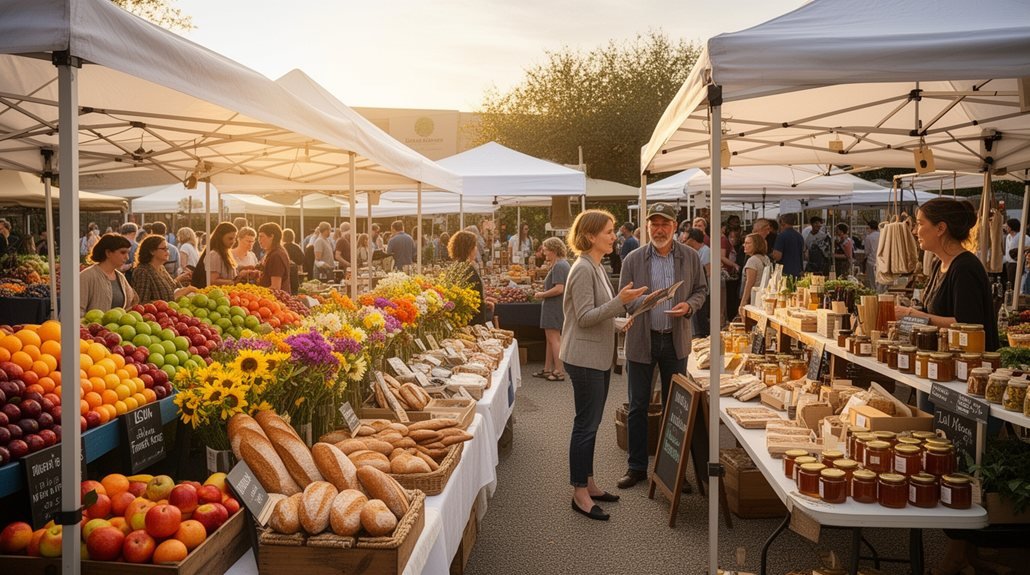
Prepared food vendors dominate most urban farmers markets, and Copley Square is no different.
Baked goods, hot food, and packaged snacks take up the most table space.
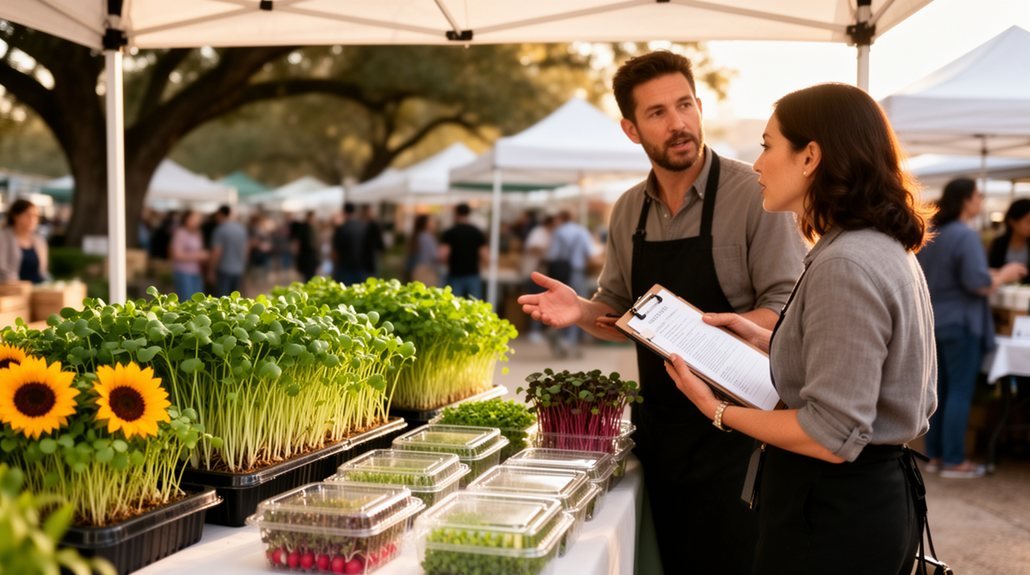
Specialty produce, including microgreens, is under-represented in that mix.
Which categories are overrepresented at Copley Square Farmers Market
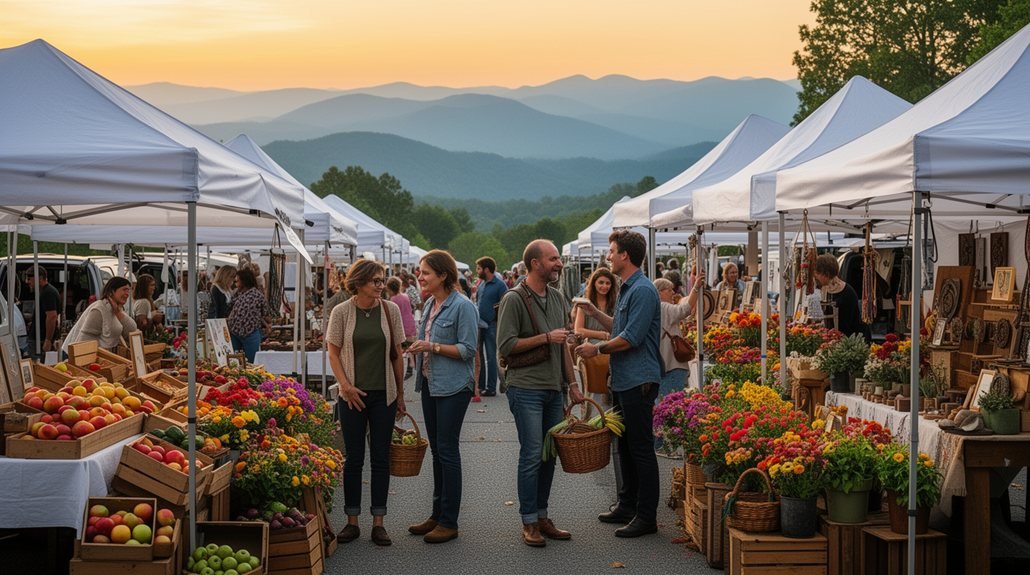
Most vendor spots at Copley Square go to prepared food sellers. Baked goods, hot food, and beverages fill a large share of the vendor mix.
Specialty produce, including microgreens, stays underrepresented. That’s where you fit in.
| Category | Competition Level | Meets Copley Square Market Vendor Requirements |
|---|---|---|
| Prepared food | High | Yes |
| Baked goods | High | Yes |
| Beverages | Medium | Yes |
| Specialty produce | Low | Yes |
| Microgreens | Very low | Yes |
The gap in specialty produce is real. Fewer vendors means less crowding in your category.
That gap is your entry point. Knowing it before you apply puts you ahead of most applicants.
Where the gap is for specialty produce vendors
Specialty produce has a short vendor list at Copley Square. That’s your opening.
Most slots go to prepared food vendors and baked goods. Microgreens at Copley Square Farmers Market sit in a category with almost no direct competition.
Dr. Booker T. Whatley’s framework is clear: know your customer before you choose your market. Visit the market first. Watch what the Back Bay lunch crowd buys. Notice what’s missing from the produce tables.
You’ll see the gap fast. Health-conscious office workers and residents shop here on Tuesday and Friday. They want fresh, quick, targeted ingredients. Microgreens fit that exactly.
Specialty produce is under-represented. That’s not a problem for you. That’s your application strategy. Name the gap in your vendor application and own it.
What does the Copley Square Farmers Market vendor application process involve?
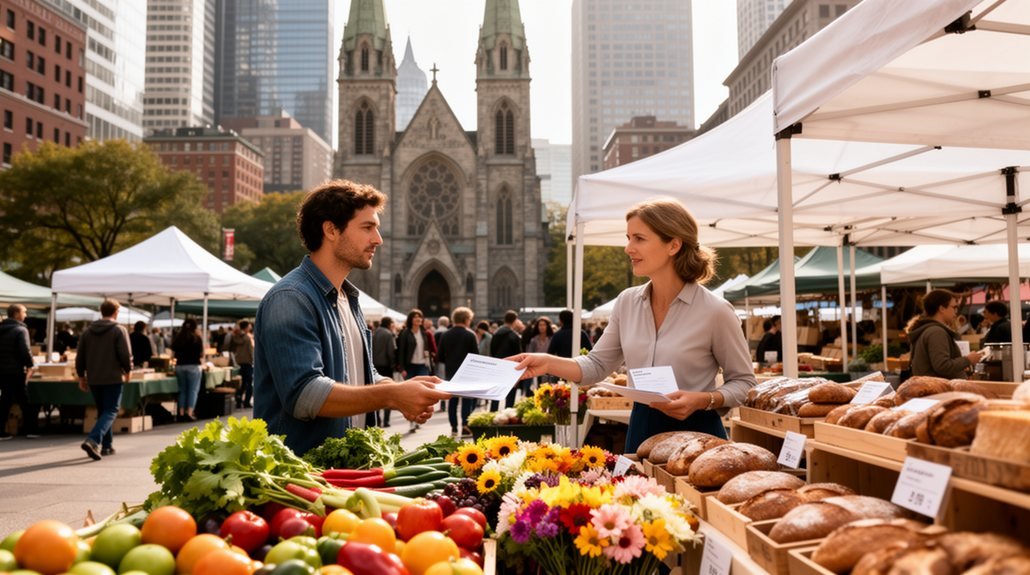
Mass Farmers Markets manages the application for Copley Square. You’ll need to meet their vendor requirements before you submit anything.
The selection process is competitive, so knowing what they look for gives you a real advantage.
What Mass Farmers Markets requires before you submit an application
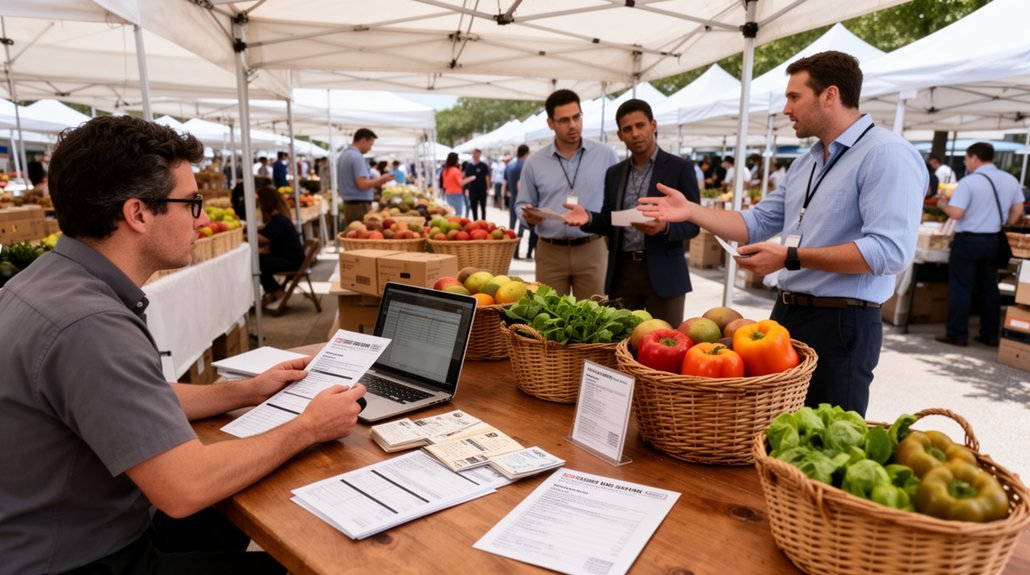
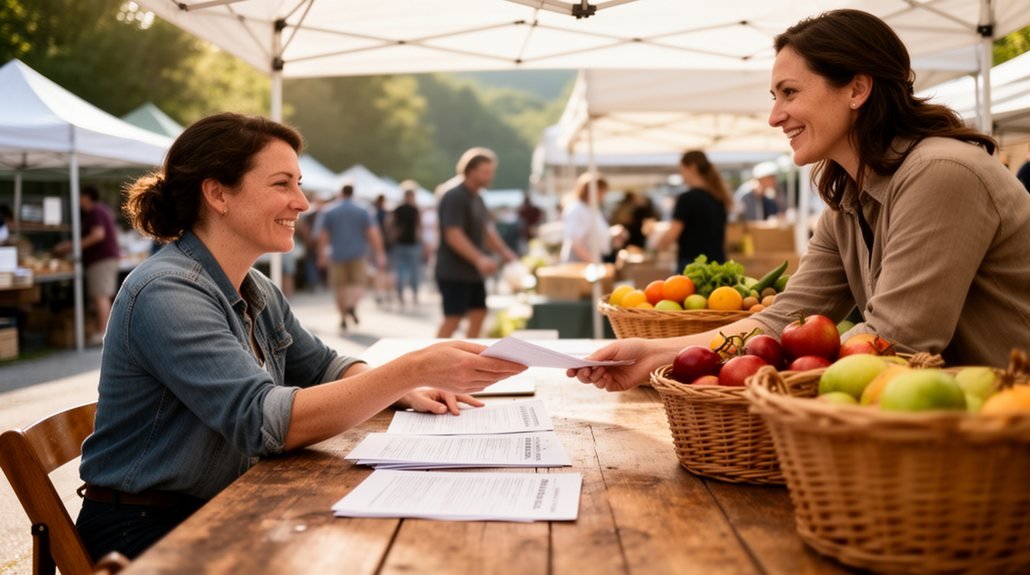
Before you open the Mass Farmers Markets application portal, you’ll need several documents ready.
Get your business certificate first. Most Massachusetts towns issue these at the city clerk’s office for under $50.
You’ll also need proof of liability insurance. Most markets require at least $1 million in general liability coverage. List Mass Farmers Markets as an additional insured.
If you’re selling food, have your food handler certification and any relevant state licenses ready before you start the form.
As a mass farmers markets vendor, you’ll also submit product photos and a description of what you grow or make.
Pull these documents together before the portal opens. Applications move fast, and incomplete submissions don’t get a second look.
What the selection process looks like
Once you submit to Mass Farmers Markets, a review committee evaluates your application against the current vendor mix at Copley Square. They’re checking for gaps, not just qualifications.
The committee looks at what categories are already filled. If three produce vendors are already in, a fourth faces a harder review.
Specialty produce like microgreens has less competition in the current vendor mix. That gap works in your favor during evaluation.
You won’t get real-time updates during the review. Mass Farmers Markets contacts applicants directly once decisions are made.
Your Copley Square farmers market vendor application stands a better chance when your product fills a visible gap. Know the mix before you apply.
What do microgreens vendors specifically need to know about Copley Square Farmers Market?
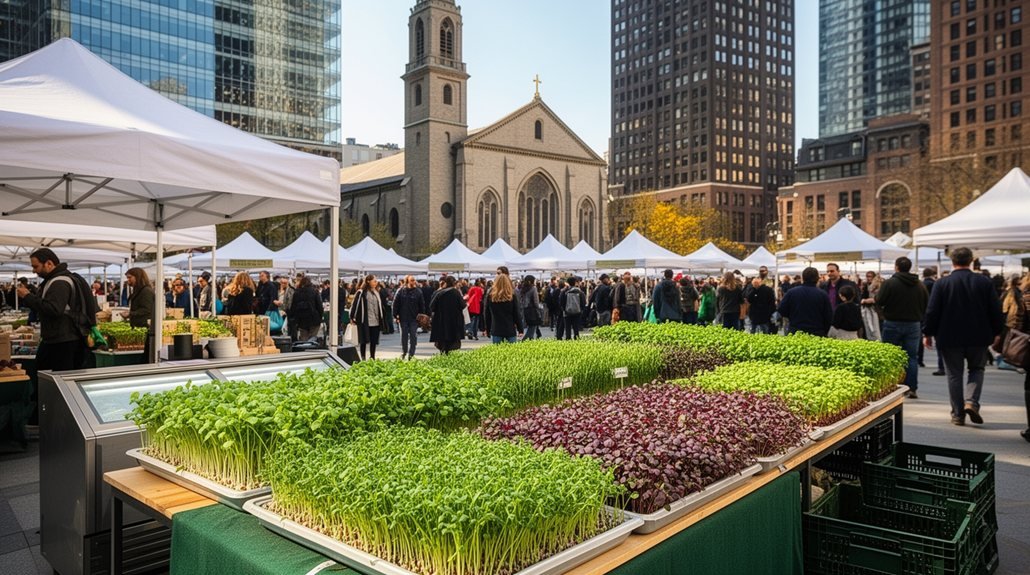
Copley Square draws office workers and Back Bay residents shopping fast for lunch or dinner. That buyer profile fits microgreens better than most weekend markets do.
Knowing who’s buying and what’s missing from the vendor mix is what separates a strong application from a rejected one.
Why Copley Square Farmers Market’s customer base is a strong match for specialty greens
Most vendors skip the research step and pay for it later.
Copley Square draws office workers, Back Bay residents, and cross-city shoppers. They’re buying for lunch or dinner, not browsing. That’s a different buyer than you’d find at a weekend market.
As a boston specialty produce market vendor, you’re selling to people who already read labels. They know what microgreens are. They’re not a hard sell.
The market runs Tuesday and Friday from late May through November. Midday and after-work foot traffic means quick, targeted purchases. People want something specific and they move fast.
Dr. Booker T. Whatley said to know your customer before you choose your market. Copley’s buyer profile matches specialty greens better than most Boston locations.
What sets successful vendors apart at Copley Square Farmers Market
Specialty produce vendors face less competition here than prepared food vendors do. That gap is real, and it works in your favor.
Microgreens fit this market because the buyer base is health-focused and time-pressed. They’re not browsing. They’re buying with a purpose.
If you want to know how to sell at Copley Square Farmers Market, visit first as a customer. Watch what moves on a Tuesday. Count the specialty produce tables. You’ll likely see fewer than three.
That’s your entry point.
Come with clean packaging, clear labels, and consistent supply. Weekday shoppers return when they trust a vendor. Reliability is what keeps you in the mix week after week.
How do you find Copley Square Farmers Market and locate other markets like it near you?
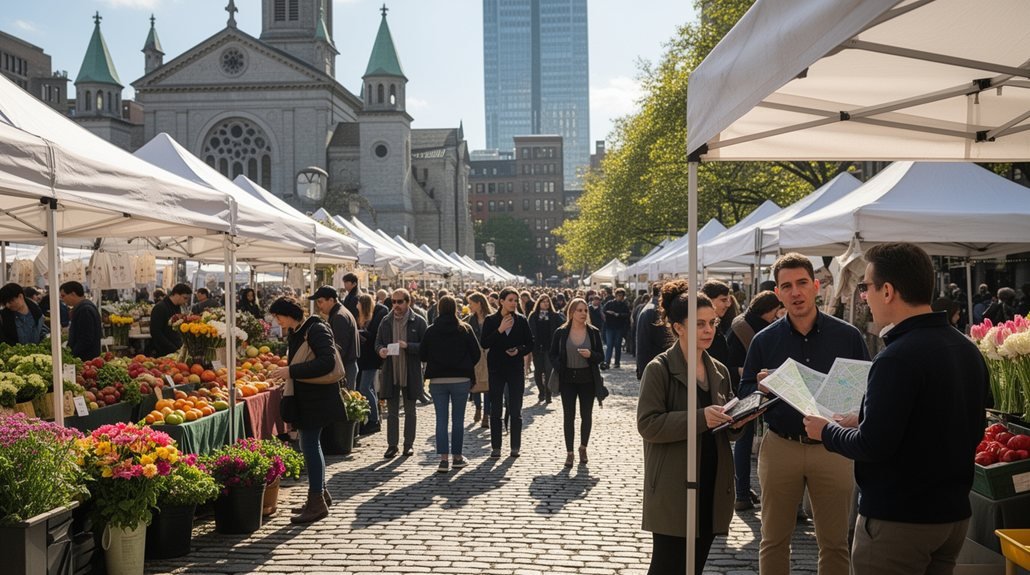
Finding Copley Square on a map is easy.
Finding every other market in Massachusetts that fits the same buyer profile takes more work. The MGW Farmers Market Finder covers 7,842 USDA-verified markets and lets you search by zip code, city, or state so you can compare options before you apply.
Using the MGW Market Finder to scout markets in Massachusetts
Before you apply anywhere, pull up the MGW Farmers Market Finder at markets.microgreensworld.com. It covers 7,842 USDA-verified markets across all 50 states.
Search by zip code, city, or state. You’ll see what’s operating near you fast.
Here’s what the finder shows for key Massachusetts markets:
| Market | Location | Schedule |
|---|---|---|
| Copley Square Farmers Market | Boston, Back Bay | Tue & Fri, May–Nov |
| Dewey Square Farmers Market | Boston, South End | Thu, Season varies |
| Central Square Farmers Market | Cambridge | Mon, June–Oct |
Use this data before filing any boston farmers market vendor application. Know exactly where you’re applying before you commit.
What to look for before you apply to any Massachusetts market
Knowing which markets exist is only step one.
You also need to know what each market wants. Copley Square Farmers Market draws health-conscious urban buyers on weekdays. That buyer profile is specific, and it matches microgreens well.
Before you apply anywhere, check three things. First, confirm the market accepts specialty produce vendors. Second, look at the current vendor mix for gaps. Third, check how many days per week the market runs.
Dr. Booker T. Whatley’s framework is direct: know your customer before you choose your market. Visit Copley Square as a shopper first. Watch what sells and where the gaps are. That observation is your application strategy.
Specialty produce is under-represented at most Massachusetts markets. That gap is your opening.
Frequently Asked Questions
Does Copley Square Farmers Market Require Vendors to Be Massachusetts-Based?
Yes, you’ll need to be Massachusetts-based to sell at Copley Square. Mass Farmers Markets manages the program and prioritizes local producers. Out-of-state vendors don’t fit the vendor profile here.
Can You Sell at Copley Square and Other Massachusetts Markets Simultaneously?
You can sell at Copley Square and other Massachusetts markets at the same time. Mass Farmers Markets manages multiple locations, so one application relationship can open doors across their whole network.
What Insurance Coverage Do Copley Square Vendors Need to Carry?
You’ll need general liability insurance with at least $1 million per occurrence. Mass Farmers Markets requires proof before your first market day. Add them as an additional insured on your certificate.
How Much Does a Vendor Booth Space Cost at Copley Square?
Booth fees aren’t publicly listed by Mass Farmers Markets. You’ll get exact pricing after your application is reviewed. Contact them directly at massfarmermarkets.org to ask before you apply.
Does Mass Farmers Markets Notify Rejected Applicants With a Reason?
Mass Farmers Markets doesn’t typically provide rejection reasons. You won’t get detailed feedback. If you’re declined, follow up directly by email and ask. Most program managers will respond to a polite, specific request.