
To find farmers’ markets open near you right now, skip Google. Llistings go stale fast. Employ the MGW Farmers Market Finder at markets.microgreensworld.com instead. Search by zip code, filter by today’s day and hours, and you’ll see which markets are actually running. Before you visit or apply as a vendor, check seasonal dates, SNAP/EBT acceptance, and vendor mix. The details below will help you find the right market and show up prepared.
Key Takeaways
- Use the MGW Farmers Market Finder at markets.microgreensworld.com to search by zip code and filter by today’s day and hours.
- Google listings go stale; dedicated locators pull from USDA data covering 7,842 markets for more reliable, current information.
- Before visiting, confirm hours, seasonal dates, and weather cancellations since markets can skip weekends without notice.
- Scout the market at least twice before applying to assess shopper behavior, price points, and vendor mix.
- Avoid markets dominated by jewelry and candle vendors; prioritize food-heavy markets with complementary stalls like bread, eggs, and meat.
How to Find Farmers Markets Open Near You Right Now (And What to Look for Before You Apply)
When you search “farmers market near me,” Google gives you a snapshot, not the full picture.
Directory listings go stale, hours change mid-season, and plenty of markets never make it into the top results at all.
The people running that search right now fall into two groups: consumers looking for fresh food this weekend and growers scouting for a vendor spot to build a business around.
Why a Quick Google Search Misses Half the Picture
Google will show you a handful of farmers’ markets near you, but it’s pulling from business listings that market managers may not have updated in months. You might show up on a Tuesday expecting fresh produce and find an empty parking lot. That’s not a great feeling.
A dedicated farmers market locator pulls from sources that actually track market schedules, seasonal dates, and operating hours. The USDA maintains data on thousands of markets across the country. That’s the backbone of tools built specifically for this search.
Google is a starting point. It’s not a finishing point. If you want accurate information, you need a source that’s built around market data, not general business listings. The difference matters more than it sounds.
The Two Types of People Searching for Farmers’ Markets Right Now
Most people searching “farmers market near me” fall into one of two camps: they’re either a shopper looking for fresh produce on a Saturday morning or a grower trying to figure out where to sell. Both of you belong here.
If you’re a shopper, you want hours, locations, and whether the market takes SNAP/EBT. Simple.
If you’re a grower, you’re asking a different question underneath the same search. You’re not just looking for a market. You’re looking for your market. The one where your customers already show up.
Neither search is wrong. But the information each of you needs is completely different. This guide covers both without making you wade through what doesn’t apply to you.
How Does the USDA Farmers Market Database Work?
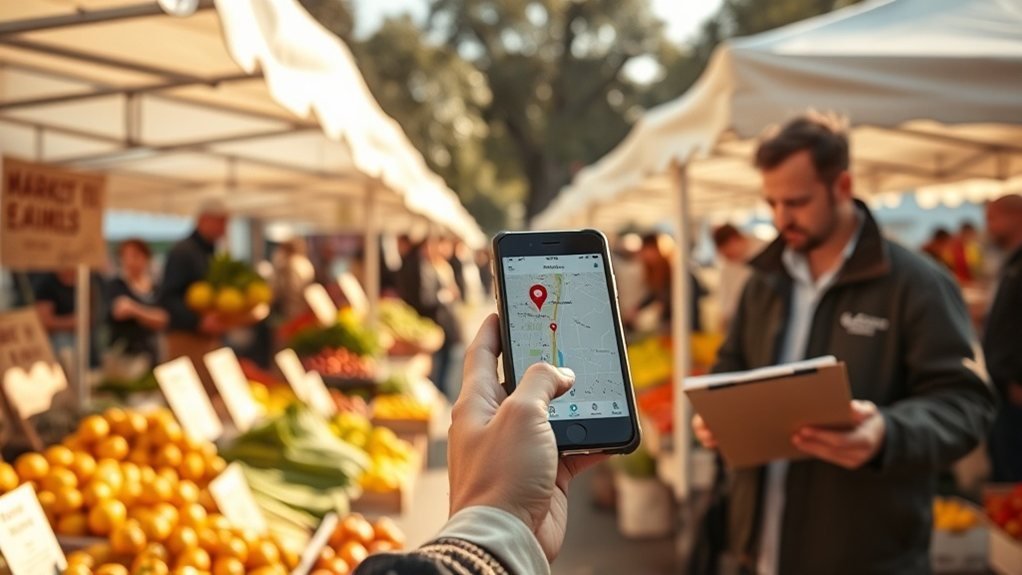
The USDA maintains a national directory of farmers’ markets called the National Farmers Market Directory, and it’s the biggest public database of its kind in the country.
Market managers submit their own listings, which means the data quality depends on how often they update them.
Some listings are current and detailed; others haven’t been touched in years.
What Data the USDA Collects and How Current It Is
When you search for a farmers market, you’re usually pulling from the USDA’s Local Food Directories database, which the agency built to connect consumers with local food sources across the country. The USDA farmers market finder pulls from self-reported data. Market managers submit their own listings, including hours, location, season dates, and whether they accept SNAP or EBT benefits.
Here’s what that means for you: the data is only as fresh as the last time a market updated it.
Some listings haven’t been touched in years. Others are current and accurate.
That’s exactly why the MGW Farmers Market Finder at markets.microgreensworld.com cross-references that USDA data across 7,842 markets, so you’re not showing up somewhere that closed two seasons ago.
How to Search by Location and Filter Results
Searching by location is straightforward once you know what the tool is actually doing behind the scenes. The MGW Farmers Market Finder pulls from USDA data and lets you search by state, city, or zip code. That last option is the fastest. Type your zip, and the farmers market search tool returns markets within your area ranked by proximity.
From there, you can filter by days open, operating season, and whether a market accepts SNAP/EBT. Those filters matter. A market that’s only open Tuesday mornings doesn’t work if you’re building a weekly customer base. Pick the filters that match your actual schedule before you get attached to a location. The tool shows you what’s real. You decide what fits.
How Do You Use the MGW Farmers Market Finder?

The MGW Farmers Market Finder at markets.microgreensworld.com allows you to search by zip code, city, or state to pull up markets in your area fast.
What makes it more useful than a quick Google Maps search is the operational detail it surfaces — hours, days open, seasonal schedules, and whether a market accepts SNAP/EBT benefits.
Google Maps tells you a market exists; this tool tells you whether it’s worth the drive.
Searching by Zip Code, City, or State
You’ve got three ways to search the MGW Farmers Market Finder at markets.microgreensworld.com: zip code, city, or state. Most people start with a zip code because it’s the fastest path to markets in your actual neighborhood. Type in your farmers market by zip code, and you’ll see what’s operating closest to you first.
City search works well if you’re willing to travel a few miles for the right fit. State search is your best move when you’re scoping multiple markets across a region.
All three options pull from the same database of 7,842 USDA-verified markets. You’re not guessing. You’re looking at real data about real markets where real people are already buying and selling.
What the Tool Shows You That Google Maps Does Not
Google Maps will show you a pin and maybe some hours. That’s it.
The MGW Farmers Market Finder is a proper farmers market directory online that goes deeper. You’ll see the actual season dates, which days of the week the market runs, and whether it accepts SNAP or EBT. That last detail matters a lot if you’re serving or shopping in lower-income communities.
For vendors, you’ll also see enough operational detail to decide if a market fits your schedule before you ever contact the manager. No guessing. No driving out to find a locked gate.
The directory pulls from USDA data across 7,842 markets. Google doesn’t have that. This tool does.
What Should Consumers Look for in a Farmers Market?
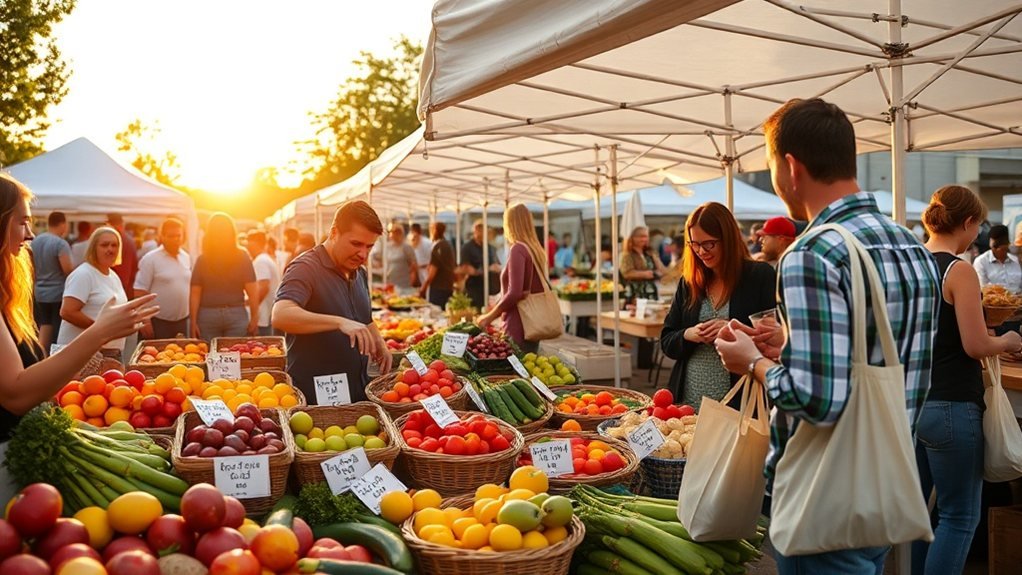
Once you find a market near you, the next step is figuring out whether it actually fits your life.
Check the hours and days first — a Saturday-only market doesn’t help you if you work weekends.
If you utilize SNAP or EBT benefits, look specifically for markets that accept them, because not all do.
Hours, Days, and Seasonal Schedules Explained
Before you drive across town, check the hours. Farmers market hours near me is one of the most searched phrases — and for good reason. Markets don’t follow a universal schedule. Some run Saturday mornings only. Others operate Wednesday afternoons or year-round on Sundays.
Seasonal markets close entirely in winter. Year-round markets may shift their hours between summer and winter schedules. These details matter more than people expect.
The MGW Farmers Market Finder at markets.microgreensworld.com pulls current schedule data from the USDA for 7,842 markets. You can search by zip code and see days, hours, and active seasons before you leave the house.
No surprises. No wasted trips. You show up when the market is actually open.
How to Find Markets That Accept SNAP and EBT
If you’re on SNAP or EBT, not every farmers’ market can process your card. Some markets have the equipment. Many don’t. Showing up without knowing puts you in an awkward spot nobody wants.
When you search for a farmers’ market open near me, filter specifically for SNAP and EBT acceptance before you go anywhere. The MGW Farmers Market Finder at markets.microgreensworld.com pulls from USDA data covering 7,842 markets and shows you exactly which ones accept benefits.
Look for markets that also offer SNAP matching programs. These programs double your spending power on fruits and vegetables. Not every market advertises this upfront, so check the market’s page directly or call ahead. That one step saves a wasted trip.
What Should Vendors Look for Before They Apply?

Picking the wrong market costs you time, money, and a trunk full of unsold trays.
Before you fill out any application, you need two things: proof that the customer base buys what you grow, and a clear read on who’s already selling there.
Those two factors tell you more about your odds than any market brochure will.
Signs a Market Has the Right Customer Base for Microgreens
Dr. Whatley said it plainly: know your customer before you choose your market.
| Signal | What to look for | What it tells you |
|---|---|---|
| Booth variety | Specialty produce, artisan food | Adventurous buyers are already present |
| Shopper behavior | Asking questions, reading labels | Educated, intentional customers |
| Price points | $8+ items selling | Buyers are willing to pay for quality |
Scout two visits minimum. Then apply.
What the Vendor Mix Tells You Before You Submit an Application
Walk the market before you fill out a single form. Count the vendors. Notice who’s already there. If three other booths sell microgreens, that tells you something real about your odds of standing out. Look at the food-to-craft ratio too. Markets heavy on jewelry and candles often draw browsers, not buyers.
You’re not just finding a farmers market to fill a slot. You’re finding one where you actually fit. Dr. Booker T. Whatley said it plainly: know your customer before you choose your market.
A strong vendor mix means complementary products, not competing ones. Bread, eggs, meat, and produce vendors nearby? That’s a shopping-trip market. That’s where microgreens sell.
How Do You Find a Farmers Market Open This Weekend?

Weekend market searches are last-minute by nature, and hours change more often than most people expect.
Before you load the car, check the MGW Farmers Market Finder at markets.microgreensworld.com to confirm the market is actually running that day. Seasonal closures, holiday adjustments, and weather cancellations don’t always make it onto a market’s social media page in time.
Same-Day and Last-Minute Market Searches
Saturday morning hits, and you still haven’t figured out where to go. It happens to most of us. The good news is that finding a farmers’ market open right now doesn’t require much digging.
Pull up the MGW Farmers Market Finder at markets.microgreensworld.com. Type your zip code and filter by today’s day and hours. You’ll see which markets are actually running this morning, not just ones that exist somewhere in your county.
Markets list their seasonal dates too, so you won’t drive somewhere that closed in October.
If you’re a vendor doing the same search, you’re also getting a first look at who shops there. That tells you something before you ever fill out an application.
Using the Market Finder to Check Current Hours Before You Leave
Knowing a market exists and knowing it’s open right now are two different things. A market might run from May through October but skip certain weekends. Hours shift. Seasons end early. Searching “farmers market near me open now” without current data means you could show up at an empty parking lot. Not a great Saturday morning.
The MGW Farmers Market Finder at markets.microgreensworld.com pulls from USDA data covering 7,842 markets. Before you leave the house, check the listing for that specific market. Look at the days, hours, and season dates. If it shows SNAP/EBT acceptance, that also tells you something about the community showing up there. Verify before you drive.
Frequently Asked Questions
Can You Sell Microgreens at a Farmers Market Without a License?
You’ll need a license in most states, but requirements vary. Check your state’s cottage food or produce vendor laws before you apply — selling without the right permits can get you removed from a market.
How Many Vendors Does a Typical Farmers’ Market Accept Each Season?
Most markets accept 20 to 75 vendors per season, and spots fill fast. Scout the market first, so you’re applying where you’ll actually fit in with the existing vendor community.
Do Farmers’ Markets Charge Vendors a Flat Fee or a Percentage of Sales?
Most markets charge a flat fee — daily rates run $25–$150, seasonal fees $200–$800. Some larger markets take 6–10% of sales instead. You’ll find the structure listed when you apply.
What Is the Average Customer Traffic at a Small Farmers Market?
Small farmers’ markets typically draw 200 to 500 visitors per market day. You’ll find your people there, growers and shoppers who value knowing where their food comes from and who grew it.
Are Indoor Farmers’ Markets Open Year-Round in Colder States?
Many indoor farmers’ markets in colder states run year-round, and you’ll find them in community centers, fairgrounds, and church halls. Check the MGW Farmers Market Finder to confirm your local market’s season.
Wrap-up
Whether you’re hunting for fresh produce this weekend or scouting your next selling location, you’ve got everything you need to move fast. Utilize the MGW Farmers Market Finder at markets.microgreensworld.com to search by zip code, check hours, and confirm EBT acceptance before you leave the house. Vendors, look at foot traffic and product fit before you apply anywhere. The tool does the heavy lifting. You just have to utilize it.
Leave a Reply